- IFC is considering a USD 13M equity investment in Egypt’s Breadfast to support expansion and strengthen its quick commerce footprint.
- Founded in 2017, Breadfast runs an AI-powered grocery platform offering 60-minute delivery, private labels, fresh food, and ready meals.
- The proposed funding would back expansion into secondary cities and upgrades to Breadfast’s technology, following IFC environmental and social reviews.
Breadfast
According to a disclosure from the International Finance Corporation (IFC), it is considering an equity investment of up to USD 13 million in Egypt’s online grocery and quick commerce brand, Breadfast. This proposed investment aims to accelerate the commerce giant’s expansion in the country.
This follows a USD 10 million investment from the European Bank for Reconstruction and Development (ERBD). This investment sought to support the scaling of its operations across Egypt by expanding its fulfillment centers.
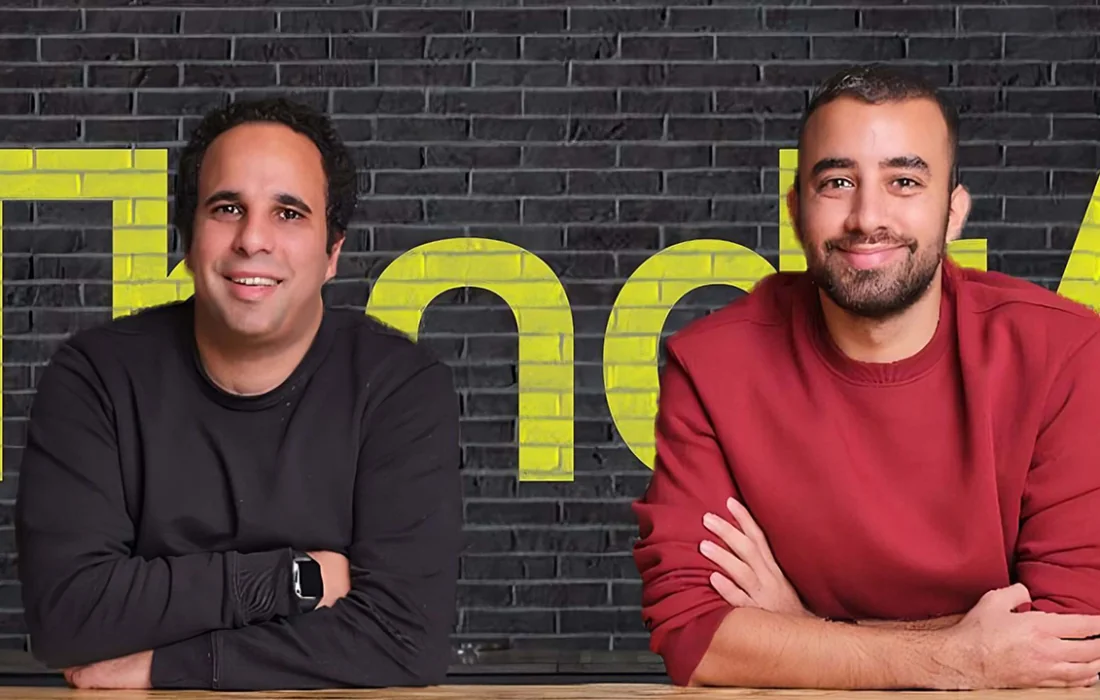
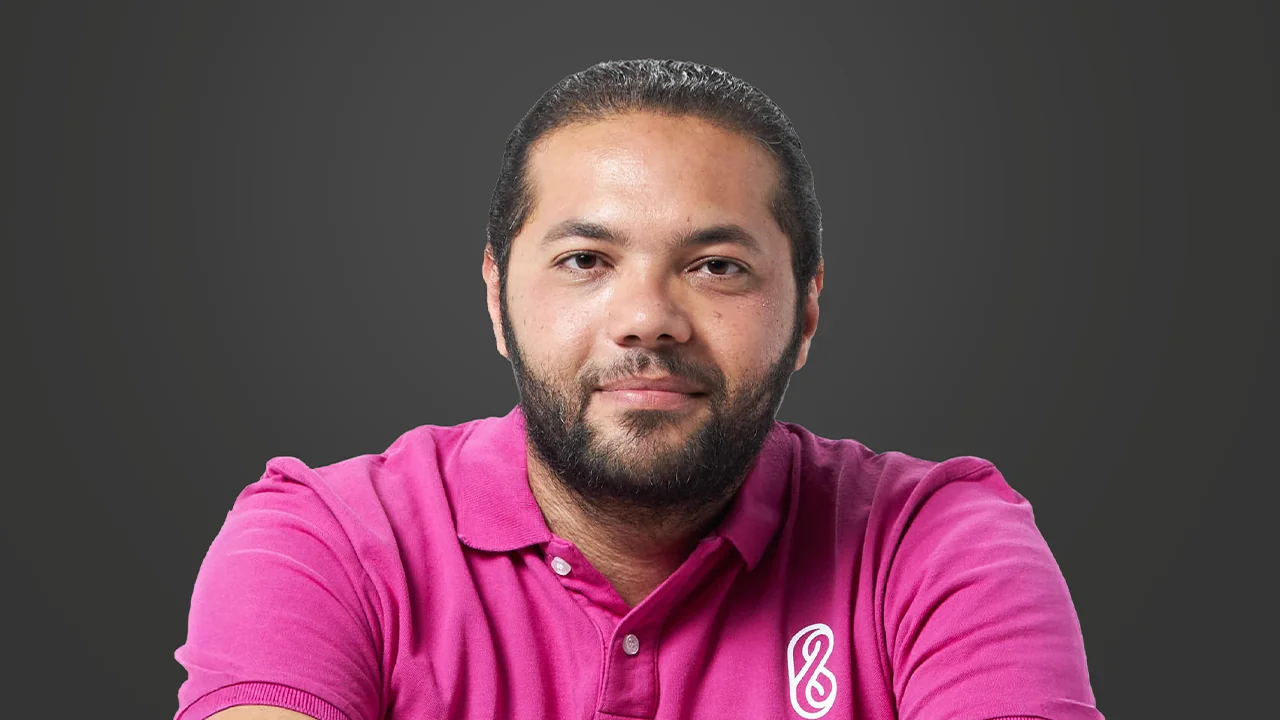
Founded in 2017 by Mostafa Amin, Muhammad Habib, and Abdallah Nofal, Breakfast is an online grocery and quick commerce brand in Egypt. It provides an AI-powered, app-based online grocery platform, enabling the company to offer and deliver to its customers within 60 minutes.
The platform offers fresh produce, bread and pastries, and groceries, including a range of private label products by Breadfast. It also offers personal care, own-brand coffee, as well as ready-to-eat meals (salads, sandwiches, hot meals).
Unlike many similar platforms that rely on third-party retailers, Breadfast controls a substantial portion of its supply chain. This includes its own bakeries, production facilities, and a line of private-label products ranging from coffee to household essentials.
E-commerce
The commerce giant operates from leased facilities in urban and industrial areas in Cairo, Alexandria, Giza, and Mansoura. Its facilities include 4 offices, 10 warehouses, 7 production facilities, 49 fulfillment points (dark stores), and 35 small coffee-selling stalls and shops. Furthermore, it outsources its logistics and delivery fleet and relies mainly on third-party vehicles. This includes delivery associates on motorcycles and cars for last-mile delivery.
As part of its due diligence, the IFC conducted environmental and social reviews, inspecting head offices and production sites. Moreover, the investment aims to fund further expansion into secondary Egyptian cities and enhance the company’s proprietary technology stack.
If you see something out of place or would like to contribute to this story, check out our Ethics and Policy section.