Morocco-based fintech WafR has raised $4 million in an oversubscribed seed round as it scales a model that turns neighborhood corner stores into distribution points for everyday financial services, according to people familiar with the deal and published reports.
The round was co-led by LoftyInc Capital alongside Attijariwafa Ventures and Almada Ventures, with participation from returning backers UM6P Ventures and First Circle Capital. WafR said it is working with nearly 20,000 active merchants, locally known as hanouts, offering services such as airtime sales and bill payments, with plans to expand into peer-to-peer transfers and domestic remittances.
Founded in 2021 by Ismail Bargach and Reda Sellak, the company is betting that Morocco’s informal retail footprint can act as the “last mile” for fintech, particularly for customers who remain underbanked or rely heavily on cash.
A merchant network as a fintech rail
WafR’s approach mirrors a broader fintech playbook across Africa: build distribution through high-frequency retail touchpoints, then layer on higher-value financial products over time. In WafR’s case, the hanout network serves as a physical interface for digital services, a model that can be cheaper to scale than building branch-like infrastructure, while still reaching consumers who may not engage with app-only products.
The company plans to push beyond utility-style payments into transfers and remittances, positioning merchants as cash-in, cash-out and transaction hubs.
LoftyInc said the investment is one of the first from its newly launched LoftyInc Alpha Fund, which targets what the firm calls Africa’s “graduation gap”, startups that have traction but struggle to secure growth capital between early and institutional stages.
Mariam Kamel, a partner at LoftyInc Capital, said: “We are proud to co-lead this round and champion WafR’s bold mission.”
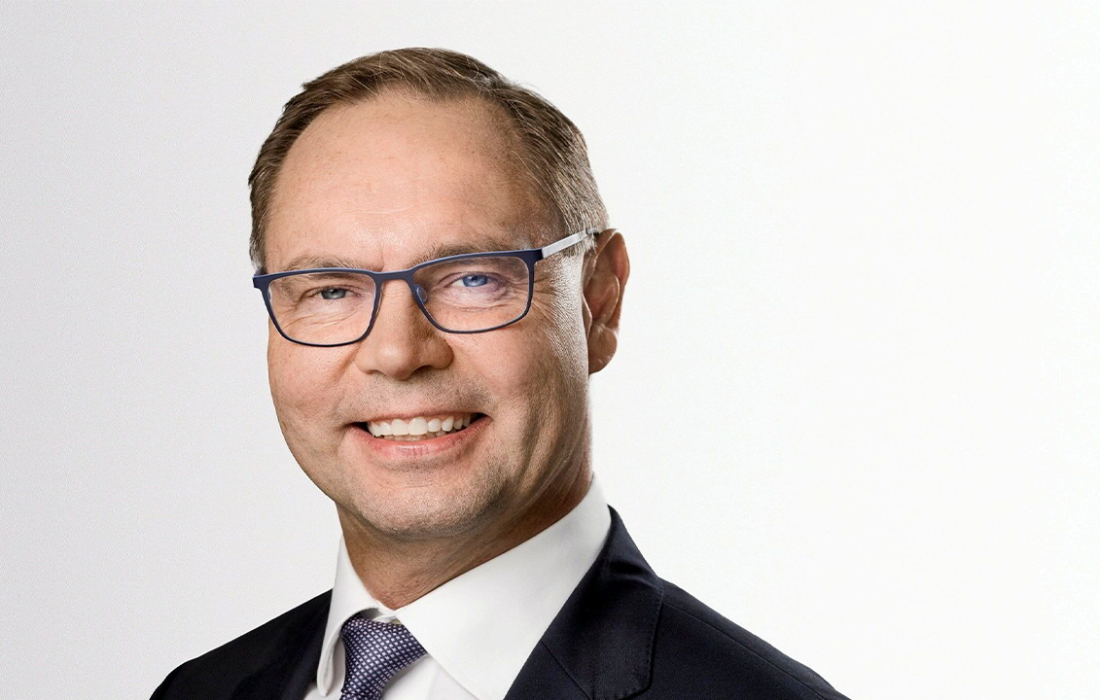
WafR Chief Executive Officer Ismail Bargach said: “Their support brings not just capital, but deep fintech experience and strong regional networks that will be instrumental as we scale our impact.”
Morocco’s fintech distribution problem
While Morocco has seen rising fintech activity in payments and merchant tooling, the country’s financial inclusion challenge remains partly logistical: distribution and trust. Corner stores already operate as community infrastructure, and WafR is attempting to formalize that role into a repeatable fintech channel.
If successful, the model could give WafR leverage to expand into additional financial products, including remittances, while also creating a data layer around merchant activity and transaction behavior that can support future services.
The new funding will go toward scaling the merchant network and expanding its product suite nationwide, the reports said.
If you see something out of place or would like to contribute to this story, check out our Ethics and Policy section.