- Qatar’s energy minister warns Gulf energy exports could halt within weeks, risking LNG supply disruptions globally.
- UAE and Kuwait cut oil production due to Strait of Hormuz blockage, pushing Brent crude prices higher and stressing global supply.
- Prolonged regional conflict threatens industrial output and global GDP growth as energy shortages ripple across supply chains and downstream industries.
Energy
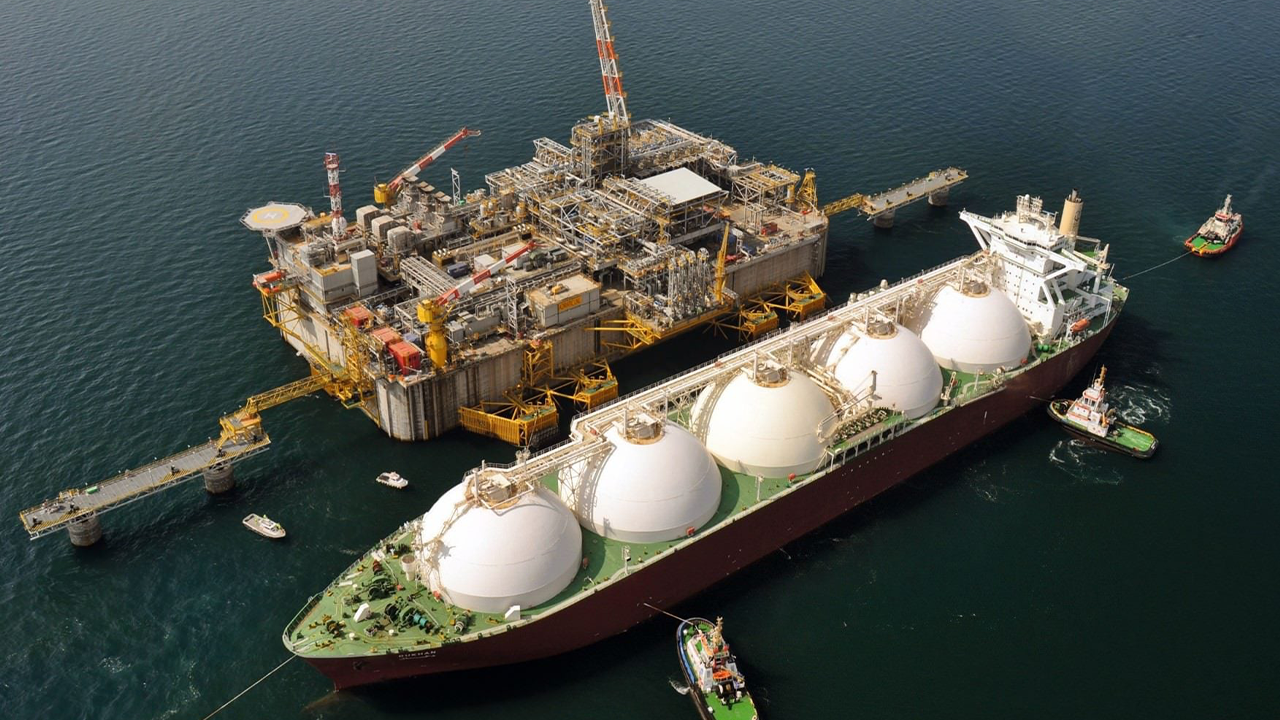
The ongoing Iran conflict is putting unprecedented pressure on Gulf energy supplies, with Qatar signaling that exports could pause within weeks. The country halted its liquefied natural gas (LNG) production this week as regional tensions escalated following Iranian attacks.
Qatar’s Energy Minister Saad al-Kaabi, also CEO of QatarEnergy, told the Financial Times that if hostilities continue, all Gulf producers may need to declare force majeure, disrupting a supply that accounts for about 20% of global LNG. He added that restoring normal deliveries could take weeks or months, even if the conflict ends immediately.
Analysts warn that prolonged disruptions could push crude prices toward USD 150 per barrel and gas prices to USD 40 per million British thermal units. Industries dependent on energy could face shortages, while global GDP growth may slow as supply chains and manufacturing output feel the strain.
Expansion projects in Qatar’s North Field, slated to begin mid-2026, are also expected to face delays, amplifying the potential impact on markets and downstream industries.
Oil Output
The energy disruption in the Gulf is spreading beyond Qatar, with the UAE and Kuwait reducing oil production amid near-closure of the Strait of Hormuz. Kuwait Petroleum Corp. has lowered output at its oil fields and refineries after threats from Iran against safe maritime passage. Abu Dhabi National Oil Co. is managing offshore production to match storage capacity and ensure supply through alternative channels.
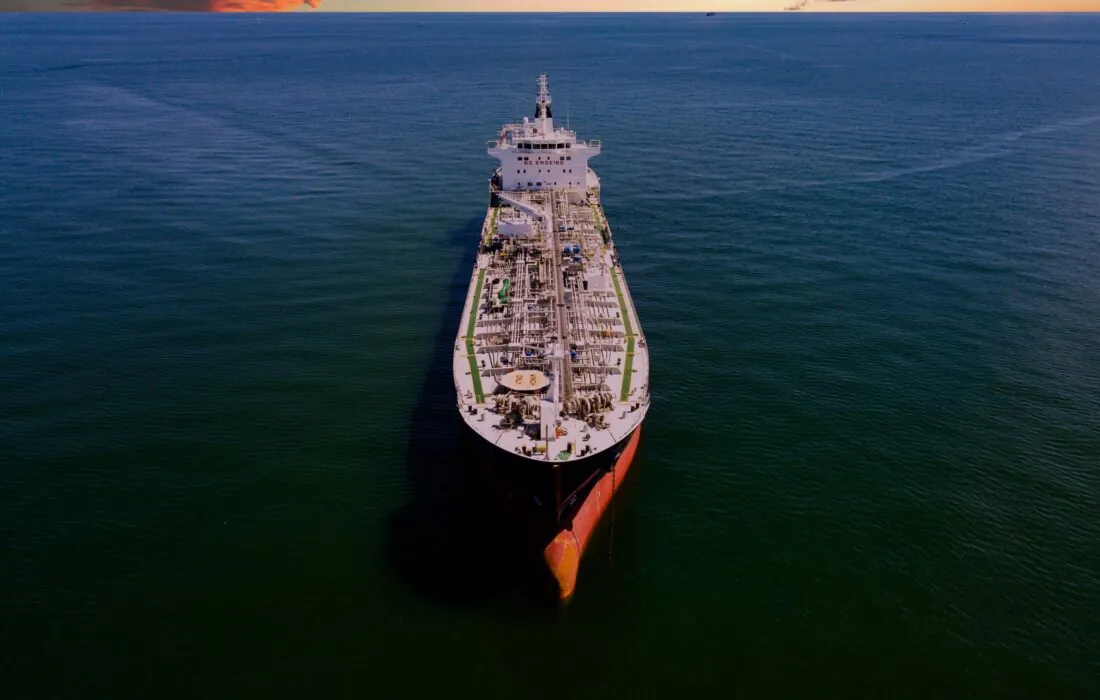
The Strait of Hormuz, a key passage for global oil exports, has become effectively blocked, delaying shipments from the world’s top oil-producing nations. The situation has driven Brent crude prices to nearly USD 93 per barrel, the highest close in over two years. Analysts warn that sustained disruptions could further inflate global energy costs and push inflation higher across markets.
To bypass Hormuz, the UAE is relying on a 1.5 million barrel-per-day pipeline to Fujairah, while Saudi Arabia diverts some exports to Red Sea ports. Still, storage limits and regional instability leave the Gulf’s energy sector vulnerable. Kuwait Petroleum has already declared force majeure on oil and refinery products, signaling that contractual obligations cannot be met under current conditions.
The cumulative effect of halted LNG from Qatar, Saudi refinery shutdowns, and reduced Kuwaiti output underscores how regional conflicts can ripple through global energy markets.
If you see something out of place or would like to contribute to this story, check out our Ethics and Policy section.