A direct threat against global tech firms signals a shift: data centers and AI infrastructure are no longer neutral assets.
Tech infrastructure is no longer sitting on the sidelines of global conflict.
Why You Should Care
This is a signal of where the region sits in the global tech map today.
The Middle East is no longer just attracting tech companies. It is becoming a place where core infrastructure is built, deployed, and relied on at scale.That shift changes how the region is perceived. Not as a growth market on the sidelines, but as part of the system itself.
For operators and investors, this matters because it reframes what “building in the region” means. It is no longer about tapping into opportunity alone, but about operating within systems that are becoming increasingly central to global tech.
That comes with complexity, but also with depth. Markets mature when infrastructure becomes critical.
The takeaway is not that risk is increasing. It is that relevance is.
The Details
Iran’s Revolutionary Guard has issued threats targeting a group of major U.S. tech companies with operations in the Middle East, including Nvidia, Apple, Microsoft, and Google .
The warning extends beyond software companies to the full stack of the digital economy: cloud providers, chipmakers, hardware firms, and even regional players like UAE-based AI company G42 .
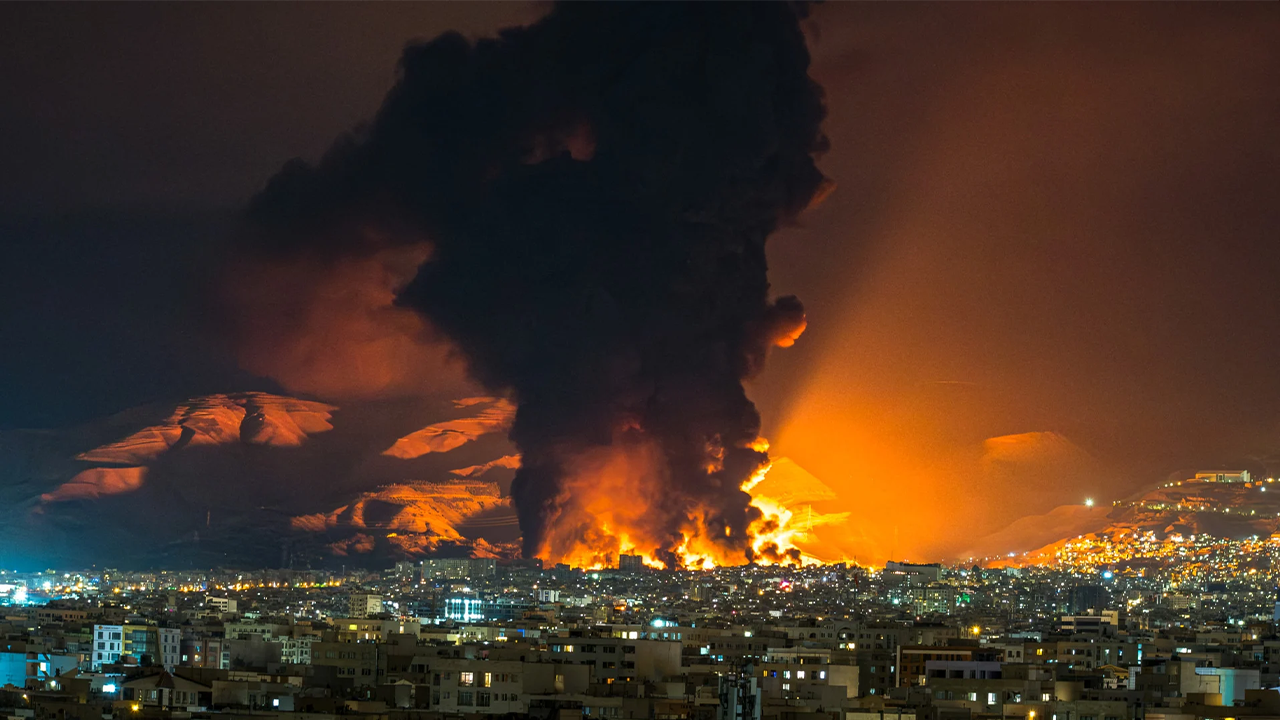
This is not happening in isolation. In early March, attacks reportedly disrupted AWS-linked data centers in the region, causing outages across apps and services in the UAE . The pattern is becoming clearer. As billions of dollars flow into AI infrastructure across the Gulf, the physical layer of tech is becoming harder to ignore.
The region has been attractive for this buildout for a reason: cheaper energy, available land, and proximity to emerging markets. That visibility is not just exposure. It is a marker of importance. The region’s push into AI and cloud is no longer theoretical. It is material, operational, and increasingly embedded in critical systems.
And with that comes a shift. Infrastructure is no longer just about capacity. It is about resilience, positioning, and long-term durability.
Security analysts are starting to frame this differently. Tech assets are no longer peripheral. They are part of the system that powers economies, communication, and increasingly, national capabilities .
That includes cloud platforms, compute clusters, and the physical facilities behind them.
The Ripple
For companies, this introduces a new layer of operational consideration.
As infrastructure becomes more central, questions around distribution, redundancy, and geographic exposure move higher up the priority list. What was once a technical decision starts to become a strategic one.
For the region, it reflects how far the ecosystem has evolved. The Middle East is no longer just attracting tech investment. It is hosting infrastructure that matters at a global level.
That shift may gradually shape how governments think about protection, regulation, and long-term planning around digital assets.
For startups and operators, it reinforces the importance of flexibility. Relying on a single provider or location is efficient, but diversification and resilience are becoming part of how serious systems are built.
If you see something out of place or would like to contribute to this story, check out our Ethics and Policy section.