Middle East capital steps deeper into global media as mega-deal financing takes shape
Paramount is close to securing one of the largest sovereign-backed financing packages in media history.
Why You Should Care
This is not just a Hollywood merger. It is a signal of where capital is coming from and who is shaping the future of global media. Gulf sovereign wealth funds are no longer passive investors. They are underwriting some of the biggest deals in entertainment, with exposure to content, distribution, and intellectual property at global scale.
For operators and investors in MENA, this is another clear move: regional capital is positioning itself inside industries that define culture, not just infrastructure.
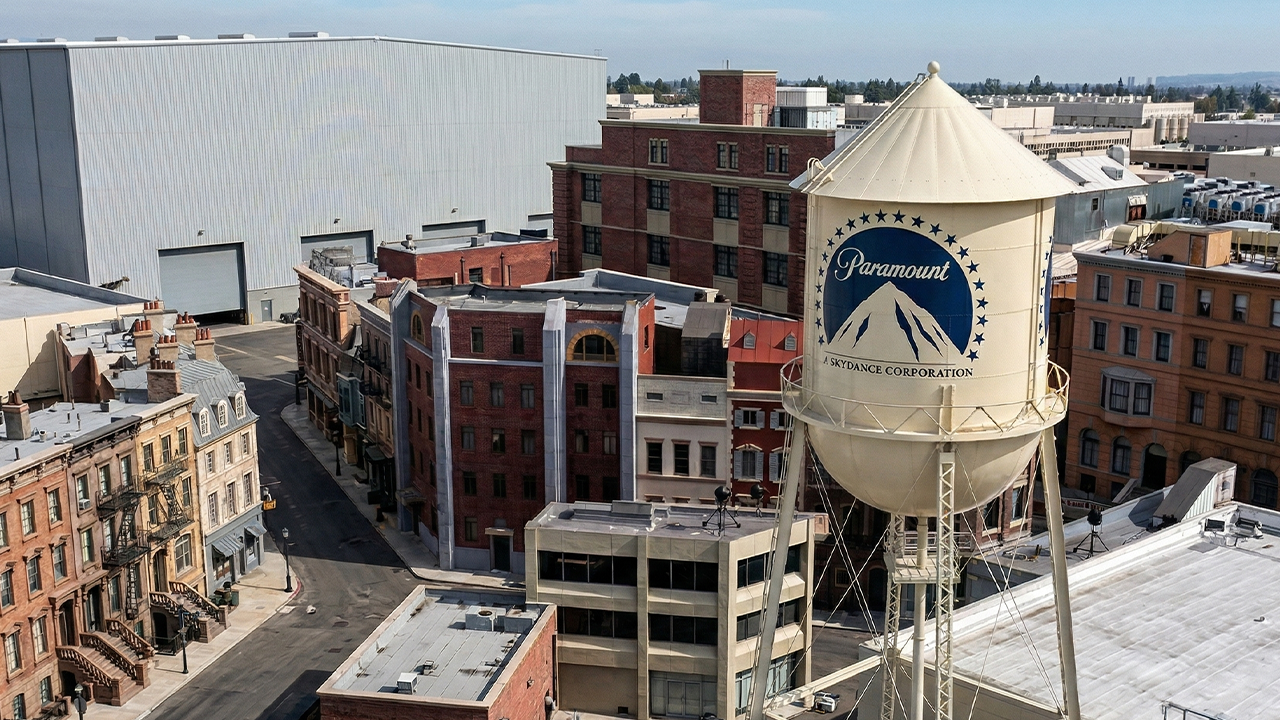
Paramount is in advanced talks to secure nearly USD 24 billion in equity commitments from three sovereign wealth funds led by Saudi Arabia’s Public Investment Fund. PIF alone is expected to contribute around USD 10 billion, with additional backing from Qatar Investment Authority and Abu Dhabi’s L’imad Holding.
The funding will support Paramount’s USD 81 billion acquisition of Warner Bros. Discovery, a deal that brings together assets including HBO, CNN, and the Harry Potter franchise. The transaction is still under regulatory review in Europe, with internal timelines pointing to a potential close as early as July.
The structure is deliberate. Gulf investors will not receive voting rights, and each will hold less than 25% of the combined entity. That keeps the deal outside the scope of U.S. national security and media ownership reviews, avoiding regulatory friction.
The equity commitments also reduce pressure on David Ellison and RedBird Capital, who are leading the acquisition. On the debt side, Paramount has already lined up USD 54 billion from major institutions including Bank of America, Citigroup, and Apollo Global Management.
Paramount’s path to winning Warner was not straightforward. Warner had initially leaned toward Netflix, but Paramount ultimately secured the deal after improving its offer. Earlier financing discussions included Tencent and Affinity Partners, though both are no longer involved.
The Ripple
This deal extends a broader pattern. Gulf capital is moving beyond technology and infrastructure into global media ownership.
For sovereign funds, this is about more than returns. It is about influence over distribution platforms, content pipelines, and global narratives. Media assets like Warner are not just businesses. They are long-term strategic holdings with cultural reach.
For competitors, especially streaming platforms and studios, this raises the stakes. Capital is becoming more patient, more strategic, and increasingly state-backed.
For regulators, the structure of this deal may become a template. Large foreign investments without control rights can still shape industries while avoiding scrutiny.
What to Watch
Whether this structure becomes the default model for sovereign capital entering sensitive sectors like media.
If Gulf funds increase exposure beyond passive stakes into deeper operational influence over time. And how the combined Paramount-Warner entity positions itself against streaming incumbents, now backed by one of the deepest pools of capital globally.
If you see something out of place or would like to contribute to this story, check out our Ethics and Policy section.