Uber is stepping back from one of its most locally adapted bets in Egypt.
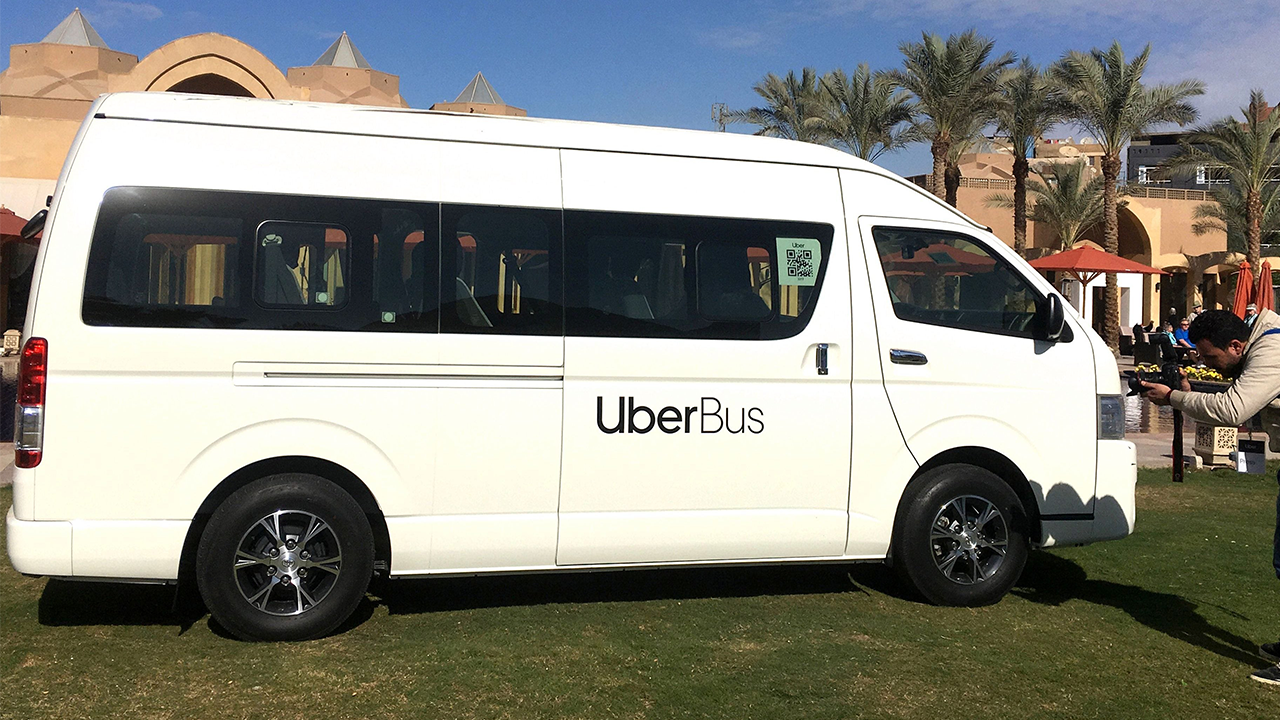
The company is shutting down its shared minibus service across multiple markets, including Egypt, while doubling down on core ride-hailing.
Why You Should Care
Uber has announced the suspension of its Uber Shuttle service in several markets globally, including Egypt, as part of a broader review of its service portfolio.
The mobility company said the move is aimed at improving user experience and operational efficiency, while allowing it to focus on services that are better aligned with customer needs.
Despite the shutdown, Uber reaffirmed that Egypt remains a core market. The company plans to continue investing in its ride-hailing services and developing new mobility solutions, while maintaining its role in supporting drivers on the platform.
Uber Shuttle operated as a shared transport option within the app, allowing users to book seats on buses or minibuses running on fixed routes. It was positioned as a more affordable alternative to private rides and a structured option for daily commuting.
However, CNN Business Arabic reports that local media point to declining demand and rising operating costs, particularly as fuel prices increased. These pressures appear to have weighed on the sustainability of the service.
The Ripple
This decision extends beyond Uber’s product mix. This is less a retreat from shared mobility and more a recalibration of how it gets built.
For startups, the signal is not that shared transport does not work, but that rigid, fixed-route models may not be the right entry point. The opportunity is shifting toward more adaptive, demand-led solutions that better reflect how people actually move across cities.
For investors, this clarifies where value may concentrate next. Rather than replicating structured transit systems, the focus could move toward layers that enhance flexibility, whether through routing intelligence, pricing models, or hybrid transport formats.
For the broader ecosystem, the gap between formal and informal transport remains, but it is also where innovation tends to emerge. As platforms step back from one approach, it opens space for new models that are more locally aligned to take shape.
What to watch
Watch how Uber reallocates its focus in Egypt.
If investment continues to concentrate on core ride-hailing, it signals confidence in high-frequency, flexible use cases that already match how users move. At the same time, any future product development will likely reflect a more localized approach, one that prioritizes adaptability over fixed structures.
More broadly, this moment helps clarify the path forward for mobility in Egypt. The next wave of innovation is less likely to replicate traditional shared transport models, and more likely to build around the behaviors that already exist, layering technology onto them rather than replacing them.
If you see something out of place or would like to contribute to this story, check out our Ethics and Policy section.