The Saudi retailer is taking a 51% stake in a fast-growing food manufacturer as it looks to expand into higher-margin categories and strengthen control over its supply chain.
Retail is no longer just about distribution. It is about owning what sits on the shelf.
Why You Should Care
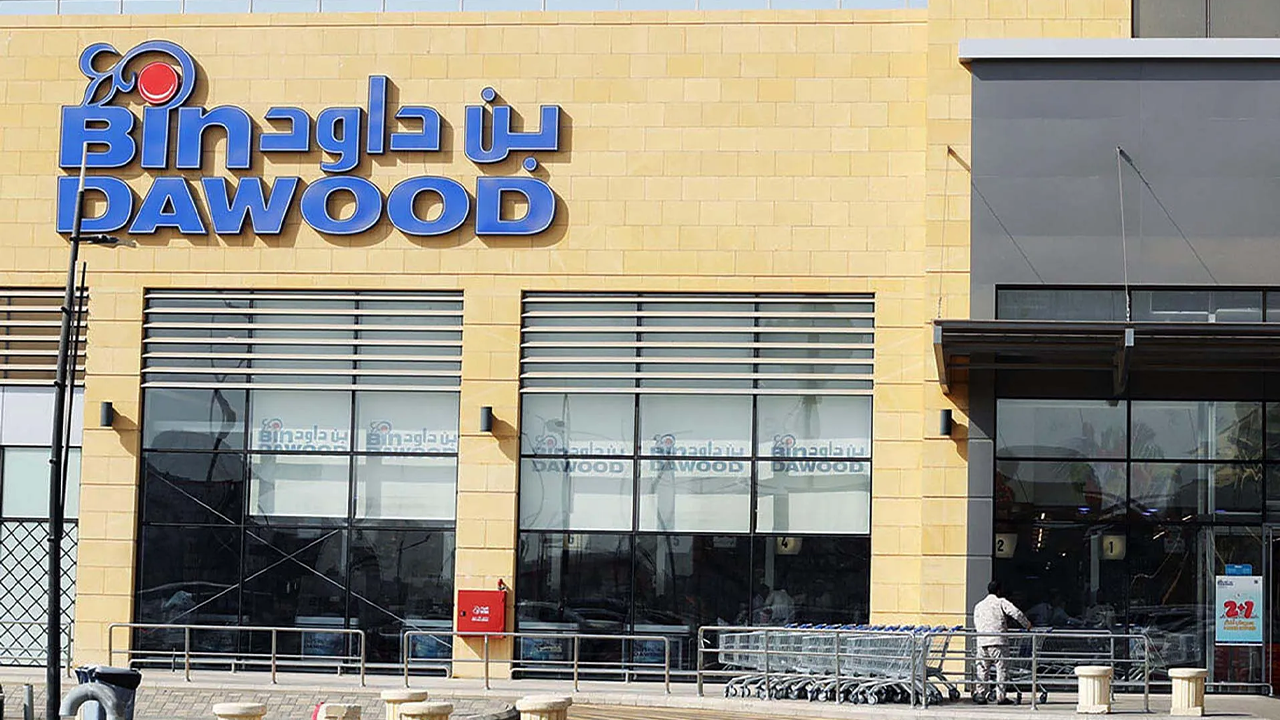
Saudi Arabia-based retailer, BinDawood Holding’s USD 58.06 million (SAR 217.9M) acquisition of a 51% stake in Vaza Food signals a structural shift in how large retailers in the region are thinking about growth.
For operators and investors, the move highlights where value is concentrating: upstream, in product ownership, brand control, and higher-margin categories like premium confectionery.
BinDawood Holding signed a share purchase agreement on April 6 to acquire a majority stake in Saudi-based Vaza Food, pending regulatory approvals. The deal will be funded through internal resources and existing financing facilities.
Vaza operates across manufacturing, retail, and distribution, with a portfolio that includes premium chocolate brand Pocodor, alongside bakery and traditional sweets brands such as La Bonte and Badea. Its ecosystem extends into cloud kitchens, retail outlets, and direct-to-consumer channels, including third-party delivery platforms.
For BinDawood, the rationale is layered.
First, portfolio expansion into premium and specialty food segments that carry stronger margins and brand differentiation.
Second, tighter supply chain control. Integrating Vaza’s manufacturing capabilities allows the group to improve procurement efficiency, product consistency, and speed to market.
Third, strengthening omni-channel distribution. Vaza’s direct-to-consumer infrastructure and digital sales channels complement BinDawood’s retail footprint, creating a more integrated customer journey.
The expected synergies extend across procurement, logistics, and operational consolidation, with cost efficiencies projected over the medium to long term.
The Ripple
This deal sits within a broader shift across the region’s retail landscape.
Large retailers are no longer competing only on footprint or pricing. They are moving into brand ownership, private labels, and vertically integrated models to protect margins and differentiate their offerings.
For food startups and emerging brands, this creates two parallel opportunities.
One, acquisition pathways are becoming more defined. Buyers are actively looking for scaled, proven brands rather than early-stage concepts.
Two, distribution is evolving. Being integrated into a larger retail ecosystem can accelerate scale, but it also raises the bar for product quality, consistency, and operational maturity.
At the same time, competitors will likely respond. As more retailers move upstream, the competitive advantage shifts from shelf space to product exclusivity and brand equity.
What to Watch
What matters now is how this translates into portfolio strength.
The acquisition expands BinDawood’s presence in high-quality food segments, leveraging Vaza’s brands, product quality, and existing customer base to diversify its offering and strengthen overall customer appeal. The opportunity is not just in adding new products, but in reshaping how the group positions itself across value tiers.
If executed well, this creates a more balanced retail model, one that captures both volume and margin through a mix of everyday essentials and premium, differentiated products.
Watch how quickly Vaza’s brands are integrated and scaled across BinDawood’s network, and whether this leads to a broader push into owned and exclusive product lines.
More broadly, this signals a clear direction.
Retail in the region is evolving toward curated ecosystems of brands, formats, and channels. Moves like this suggest that growth will increasingly come from depth, not just expansion.
If you see something out of place or would like to contribute to this story, check out our Ethics and Policy section.