As global policymakers convene in Washington, emerging economies are re-entering focus not just as risk markets, but as active participants in the next phase of global capital allocation.
Emerging markets are not just absorbing global shocks. They are repositioning within them.
Why You Should Care
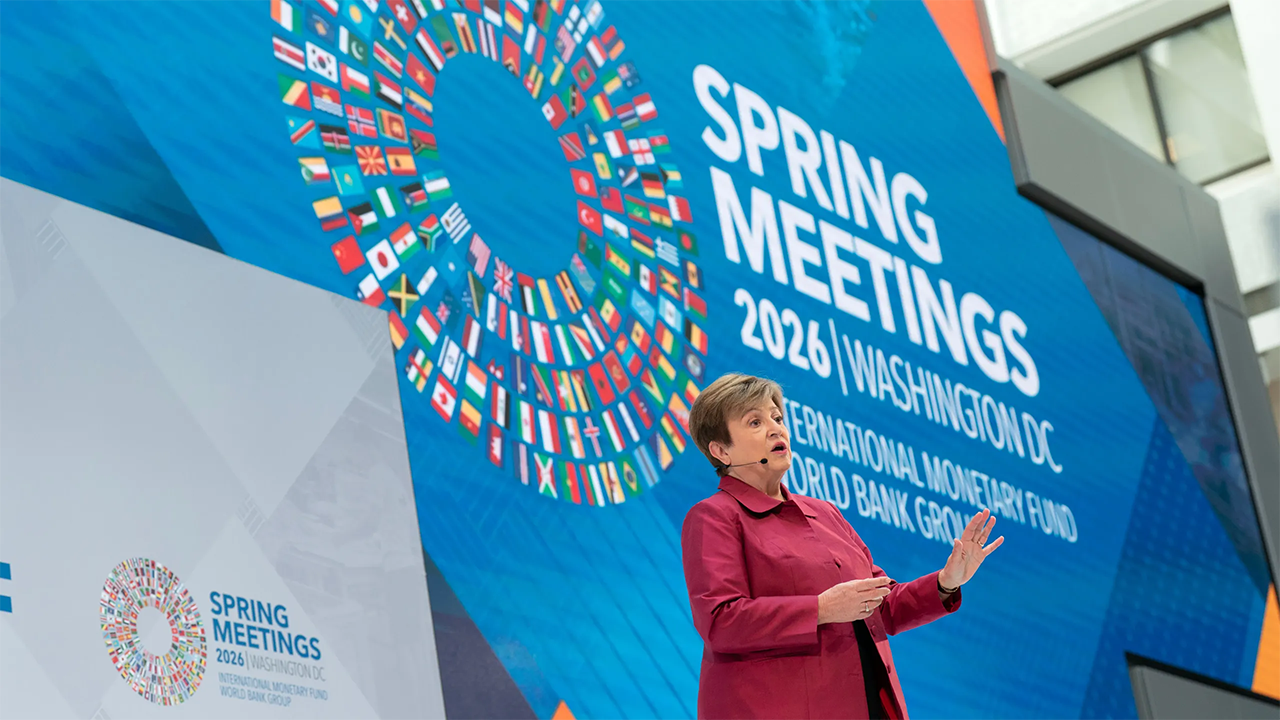
The International Monetary Fund (IMF) Spring Meetings are highlighting a shift in how emerging markets are being viewed. The conversation is moving beyond short-term pressure toward how countries are structuring their return to global capital markets.
For investors and operators, the focus is increasingly on which economies can translate engagement with institutions like the IMF into sustained access to funding, stronger policy credibility, and long-term growth momentum.
Global financial leaders have gathered in Washington at a time when geopolitical developments, rising energy prices, and evolving inflation expectations are reshaping the macroeconomic landscape. Within this environment, emerging markets are engaging with the IMF from different positions, but with a shared objective of reinforcing financial stability and maintaining access to capital.
Ukraine continues to advance its IMF-backed programme, supported by improving visibility on external financing. Across Africa, countries such as Senegal and Mozambique are actively working through new arrangements with the Fund, reflecting continued engagement rather than withdrawal, even as fiscal frameworks are being adjusted.
Gabon has also formally requested IMF support, signaling a broader trend of economies proactively aligning with structured reform programmes to strengthen their financial footing.
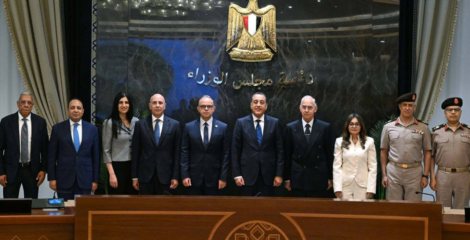
Egypt stands out as one of the more advanced examples of this transition. Over the past two years, it has successfully combined IMF financing with substantial Gulf-backed investment, creating a more diversified external funding base.
Despite global volatility, Egypt’s economic model continues to be supported by multiple inflow channels, including investment, remittances, and tourism. This diversification is allowing the country to navigate external shifts while maintaining engagement with international institutions.
At the same time, countries like Venezuela are showing early signs of re-engagement with the global financial system, as improving data transparency begins to reopen channels of communication with multilateral institutions.
The Ripple
What is emerging is a more structured and differentiated landscape for emerging markets. Capital is not stepping away from these economies. Instead, it is becoming more targeted, favoring countries that demonstrate alignment between policy direction, reform execution, and funding strategy.
Multilateral institutions are playing a central role in this process, not only as lenders but as anchors that help restore confidence and facilitate broader capital inflows. Within this context, regional economies, particularly in MENA, are increasingly positioned as examples of how external partnerships and policy coordination can reinforce resilience and attract investment.
What to Watch
The next phase will be shaped by execution and continuity. Progress in African markets will indicate how quickly new funding arrangements can translate into tangible economic momentum.
More broadly, early re-engagement signals from previously isolated economies may point to a gradual reopening cycle, where access to global capital expands in a more structured and disciplined way.
The signal is becoming clearer. Emerging markets that can combine funding access with consistent policy execution are not just navigating the current environment. They are steadily strengthening their position within it.
If you see something out of place or would like to contribute to this story, check out our Ethics and Policy section.