Regional capital is moving where tourism demand is already proving itself.
An Egyptian–Emirati investor group is deploying approximately USD 235.2 million (EUR 200M) into Morocco’s Atlantic coast, betting on sustained tourism growth and positioning itself early in a market scaling both volume and infrastructure.
Why You Should Care
For operators and investors across MENA, this signals a clearer trend: capital is no longer confined to domestic markets, but actively flowing toward high-growth tourism corridors within the region.
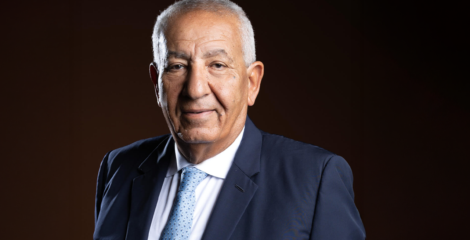
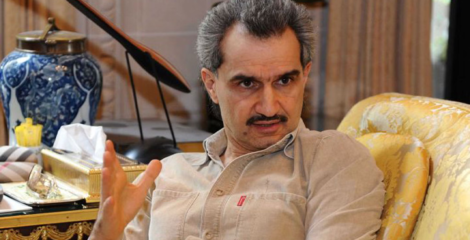
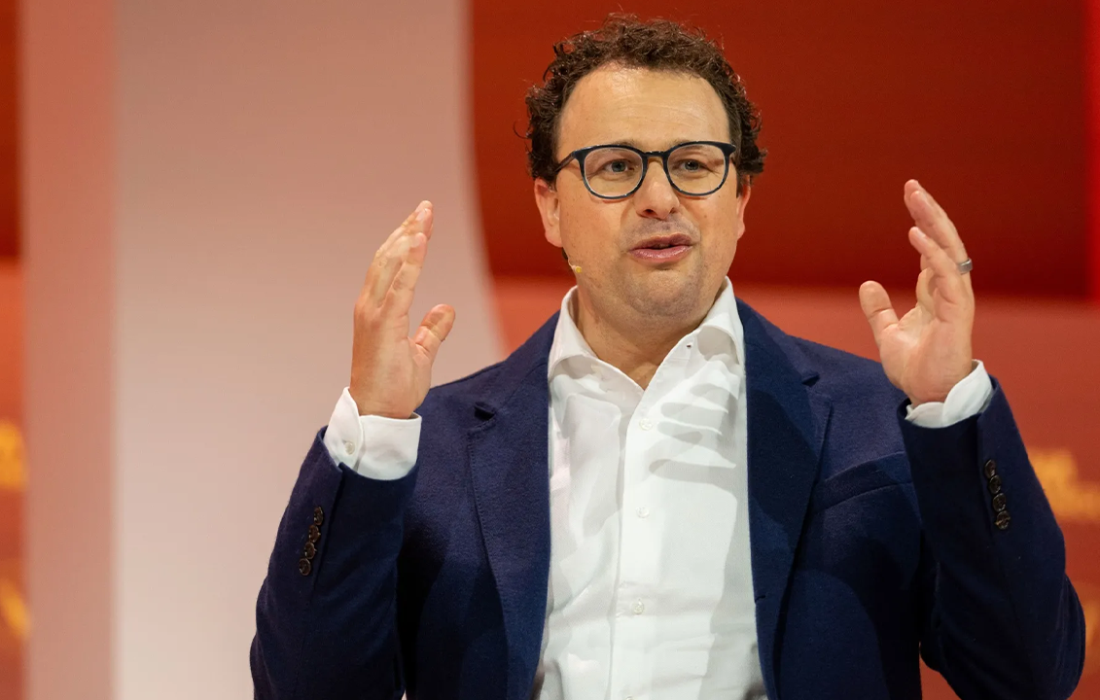
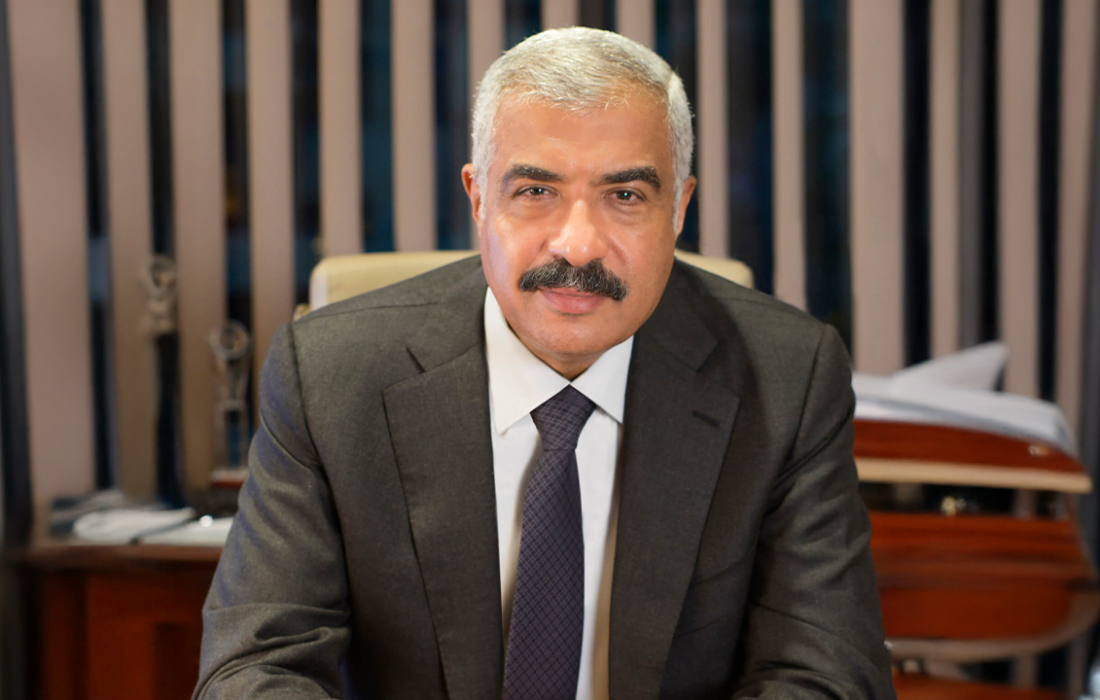
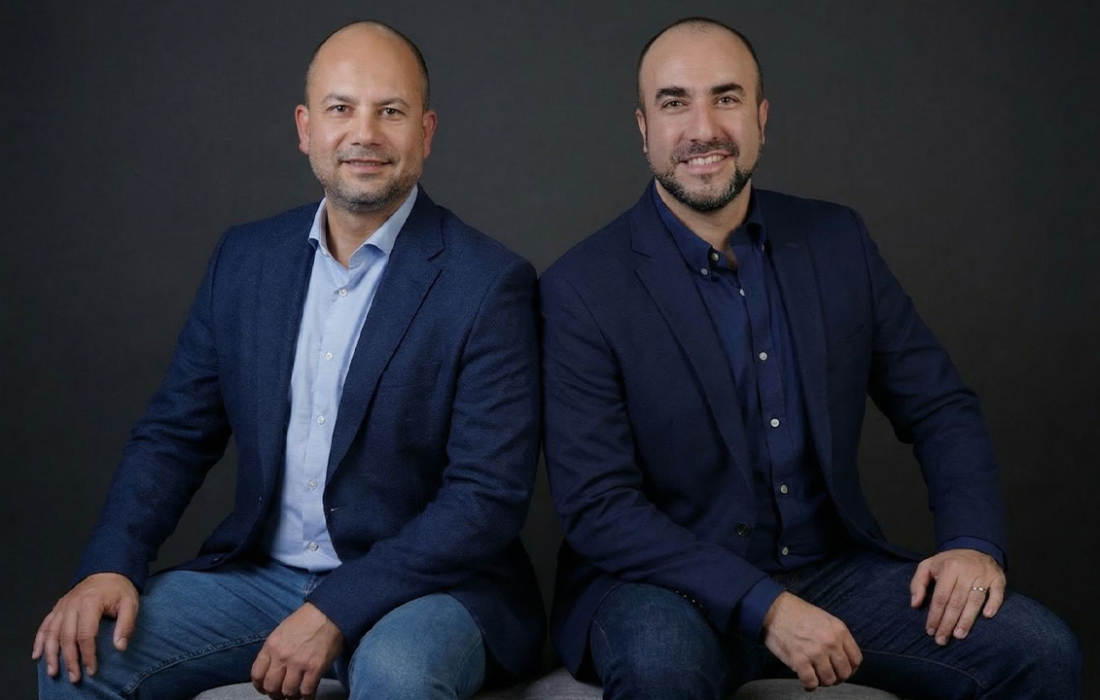
According to Asharq Business, the alliance, bringing together Al Nowais Investments, Sunrise Group, and Samih Sawiris, plans to develop a large-scale tourism project in Essaouira spanning 2.5 million square meters.
The first phase includes up to 800 hotel rooms across multiple components. This includes 270 rooms expected by 2027, a 350-room hotel under development over four years, and an additional 150 rooms within a mixed-use commercial and entertainment village. The project will also feature golf courses and 30 boutique hospitality units.
Asharq reports that the investment will be deployed over five years, with a second phase planned to follow after completion of the first.
The project itself is not new; it dates back to 2004, but has been acquired and repositioned by the alliance under a refreshed investment strategy focused on expanding hospitality capacity and upgrading the destination’s offering.
This comes as Morocco’s tourism sector continues to scale rapidly. The country welcomed 19.8 million tourists in 2025, up 14% year-on-year, making it Africa’s top tourism destination for the second consecutive year.
The Ripple
This move reflects a broader regional shift: tourism investment is becoming increasingly cross-border, with Gulf and Egyptian capital targeting markets where demand is already validated rather than speculative.
For Morocco, projects like this support a larger push to expand capacity ahead of its 2030 tourism targets. For regional developers, it reinforces a playbook centered on integrated destinations, combining hospitality, retail, and leisure into single investment platforms.
It also signals rising competition across MENA tourism hubs, where destinations are not just attracting visitors, but increasingly competing for capital allocation.
What to Watch
The key signal will be execution speed and absorption.
If developments like this come online in sync with Morocco’s tourism growth trajectory, they could accelerate the country’s move toward higher-value tourism segments, not just higher volume.
More broadly, this kind of cross-border deployment may become more common, as regional investors prioritize scalable demand, policy support, and destination maturity over geographic proximity.
If you see something out of place or would like to contribute to this story, check out our Ethics and Policy section.