Abu Dhabi is moving deeper into premium hospitality platforms, with IHC targeting one of London’s most established brand-led portfolios.
Abu Dhabi’s dealmaking push is extending further into high-end, scalable hospitality assets.
An affiliate of International Holding Company (IHC), chaired by Sheikh Tahnoon bin Zayed Al Nahyan, is acquiring a majority stake in British entrepreneur Richard Caring’s hospitality empire in a deal valued at over USD 1.3 billion (GBP 1B).
Why You Should Care
This is not just a hospitality transaction. It reflects how Gulf capital is positioning itself inside premium, brand-led hospitality platforms with global expansion potential.
For operators and investors, the signal is clear: capital from the region is increasingly targeting businesses with strong brand equity, scalable formats, and international expansion potential.
Hospitality, once seen as a local or cyclical sector, is being reframed as a global platform play.
The deal is being executed through DIAFA, an IHC affiliate, and includes some of the UK’s most established hospitality brands.
The portfolio spans Caprice Holdings, which owns high-end restaurants such as Sexy Fish, Scott’s, and Noema, as well as private members’ clubs including Annabel’s, George, Harry’s Bar, and Mark’s Club.
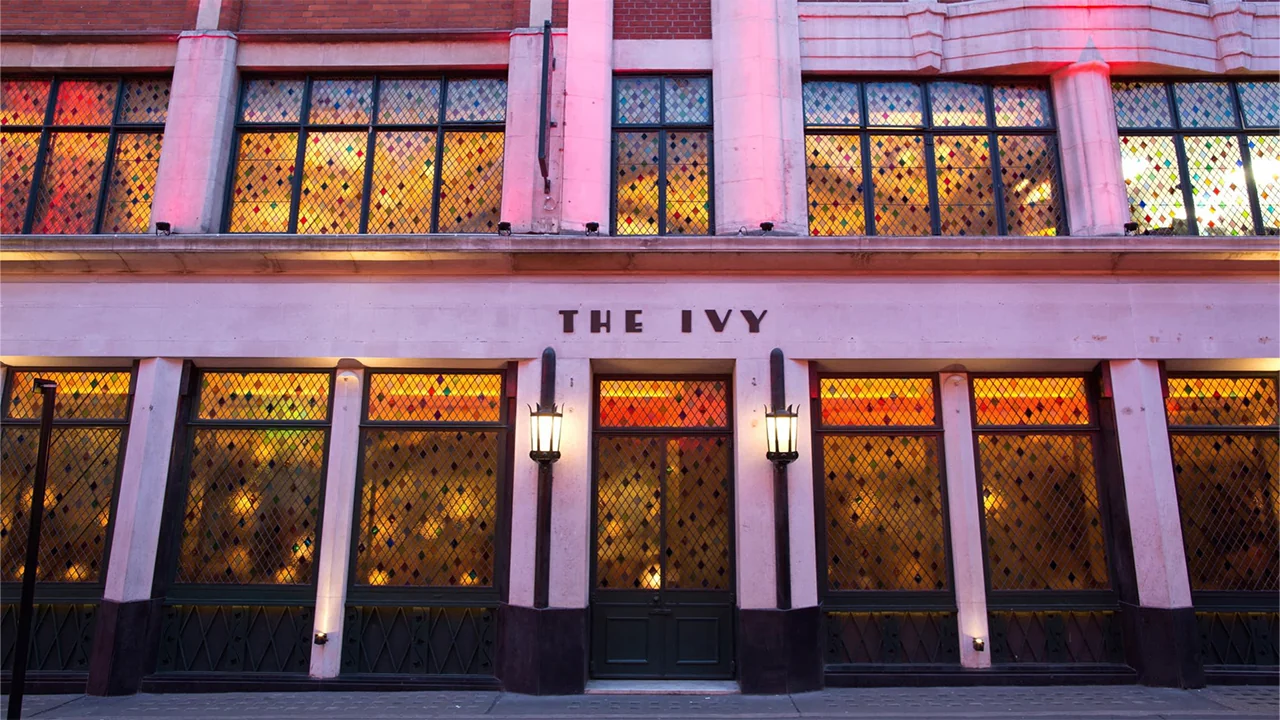
It also includes The Ivy, one of the UK’s most recognizable restaurant brands, which has been scaled from a single London location into a nationwide chain of more than 40 sites under Caring’s ownership.
Caring will remain executive chairman, working alongside DIAFA to lead the next phase of global expansion.
The transaction adds to IHC’s growing food and beverage portfolio, which already includes stakes in brands such as Zuma and Roka through Azumi Group, as well as hospitality assets under the h.wood Group.
IHC itself has rapidly evolved into one of the UAE’s most powerful investment vehicles, with a market value of approximately USD 232 billion and an expanding footprint across sectors including finance, energy, consumer, and technology.
The Ripple
This move reinforces a broader shift in how Gulf sovereign and quasi-sovereign capital is being deployed globally.
- Luxury hospitality is becoming an institutional asset class, not just an operator-led business
- Brand-driven platforms are attracting long-term capital, particularly those with proven expansion models
- Global dealmaking from the region remains active, even amid geopolitical uncertainty
More broadly, the region is continuing to demonstrate sustained dealmaking momentum despite the ongoing war. Investors, including Qatar Investment Authority and Mubadala Investment Co. have participated in Whoop’s latest funding round, while Savvy Games Group, backed by Saudi Arabia’s Public Investment Fund, agreed to acquire Moonton from ByteDance. The Abu Dhabi Investment Authority has also remained active, alongside additional transactions announced by QIA and a Bahraini aluminum producer in the early phase of the conflict.
The transaction also places IHC alongside other regional players deploying capital globally, reinforcing the scale and consistency of outbound investment from the Gulf.
What to Watch
The next phase will be defined by execution.
With capital now secured, attention shifts to how this portfolio expands beyond London into new global markets. The opportunity lies in whether legacy hospitality brands can be systematically scaled without diluting their positioning.
At the same time, broader capital flows from the region show no clear signs of slowing. Officials have continued to signal long-term commitment, with the UAE’s $1.4 trillion investment framework with the United States remaining on track, while Saudi Arabia’s sovereign wealth fund has reiterated its intention to keep deploying capital globally despite rising economic uncertainty.
More broadly, this reinforces a defining pattern: Gulf investors are not adjusting their global strategies in response to volatility; they are continuing to execute through it, with scale and consistency.
If you see something out of place or would like to contribute to this story, check out our Ethics and Policy section.