- Alibaba launched Qwen3.5, a multimodal AI model supporting agents, long video analysis, and deeper ecosystem integration as China’s AI race accelerates.
- The release comes ahead of expected DeepSeek updates, as major Chinese tech firms rush upgrades to capture users during peak holiday adoption periods.
- Alibaba is backing its AI push with over USD 53B in planned investments and incentives to grow users and expand ecosystem services.
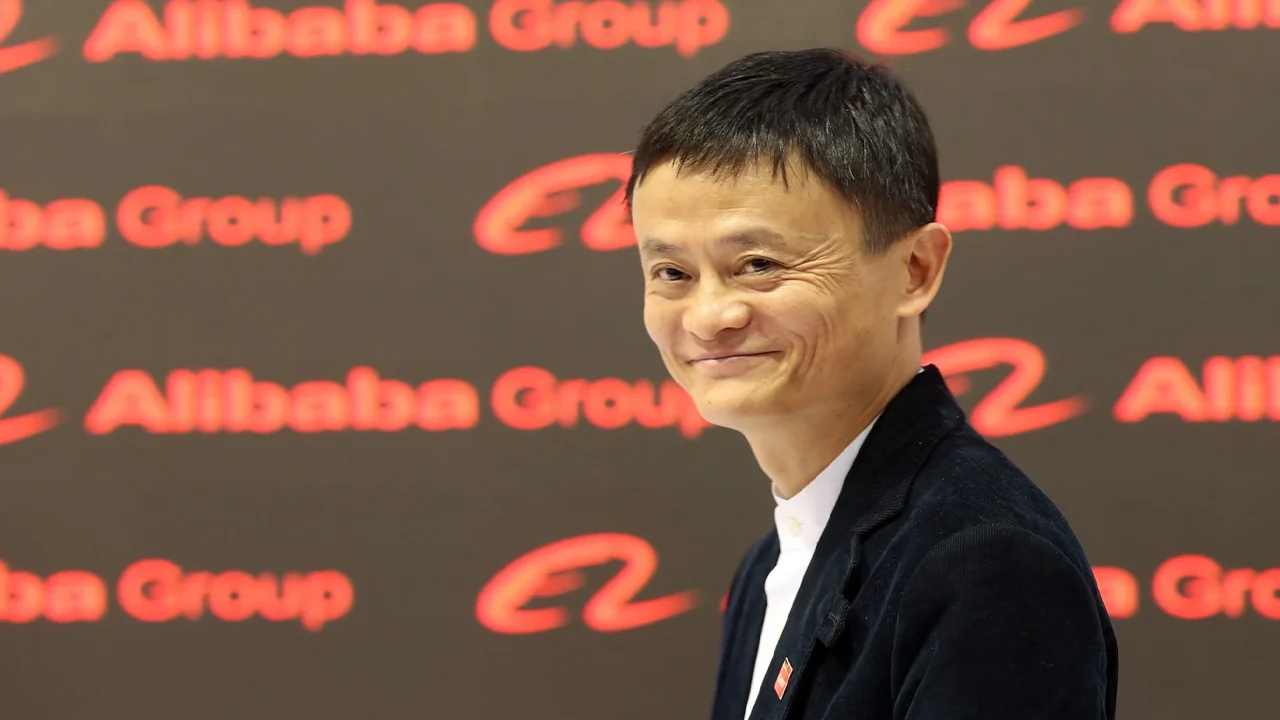
Alibaba Group
Alibaba Group unveiled a major upgrade to its flagship artificial intelligence model, stepping up competition in China’s rapidly evolving AI market.
The latest version, Qwen3.5, is designed to handle AI agent tasks and process multiple input formats. These include text, images, and video. The model can also analyze videos lasting up to two hours, expanding its enterprise and consumer use cases.
The release comes as Chinese technology firms race to strengthen their platforms ahead of anticipated updates from AI developer DeepSeek. Its earlier breakthrough model reshaped global AI expectations in 2025. Competitors are now moving quickly to avoid losing ground.
Alibaba has steadily expanded the Qwen family in recent months. The company upgraded its core model earlier in 2025 and introduced a new reasoning-focused version to improve complex problem solving and autonomous capabilities.
AI Race
Alibaba’s upgrade is part of a broader wave of model launches from rivals including ByteDance, Zhipu, and MiniMax. Many of these releases are timed ahead of the Lunar New Year. The holiday period has historically driven strong adoption for consumer internet services in China.
The company has emerged as one of the most aggressive investors in artificial intelligence. Chief Executive Officer Eddie Wu previously committed more than USD 53 billion to AI infrastructure and development. The company indicated that total spending could exceed that level over time.
Beyond technology, competition is also intensifying on pricing and user acquisition. Alibaba, Tencent, and Baidu are offering financial incentives to attract users to their chatbot services. Combined incentives during the holiday period are expected to reach roughly 4.5 billion yuan.
At the same time, Alibaba is positioning Qwen as a gateway to its broader digital ecosystem. The consumer-facing app is evolving into a multi-service platform. Users can already complete tasks such as ordering food or booking travel through AI agents.
The strategy reflects a wider shift in China’s AI market. Companies are no longer competing only on model performance. The next phase focuses on user scale, ecosystem integration, and real-world utility across commerce and services.
For Alibaba, Qwen is becoming central to that long-term platform strategy as the AI race enters a new phase.
If you see something out of place or would like to contribute to this story, check out our Ethics and Policy section.