- Egypt forms a joint committee to develop fundamental solutions to the challenges facing the sector and ensure market regulation.
- VAT confirmed at 14%, while ongoing projects maintain 5% rate to preserve financial stability of projects already under development.
- This move aims to regulate the real estate market, prevent price slashing, and ensure fair, transparent practices across the sector.
Residential Unit
Osama Saad El-Din, CEO of the Real Estate Development Chamber at the Federation of Egyptian Industries (FEI), revealed that an agreement was reached to form a joint committee to develop fundamental solutions to the challenges facing the sector and ensure market regulation.
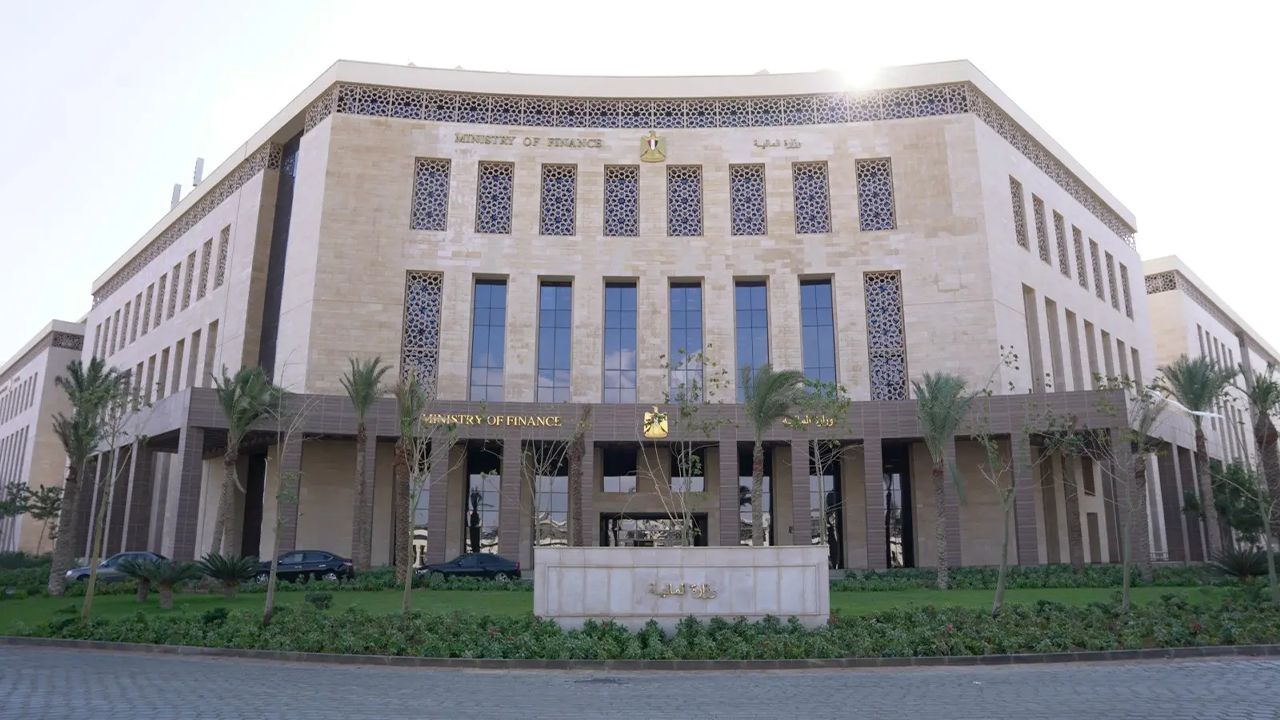
In a statement to Alarabiya Business, Osama Saad El-Din said that an agreement was reached with Deputy Minister of Finance for Tax Policy and Reforms, Ramy Mohamed Youssef to hold the first meeting of the committee next week at the Ministry headquarters.
The meeting will be chaired by Engineer Tariq Shukri, Chairman of the Chamber of Real Estate Development Industry. It will also include several real estate developers, including Ahmed Amin Massoud, Amr Soliman, Omar Hesham Talaat Mostafa, Mohamed Al Bostany, and Mohamed and Mahmoud Taher. The meeting will set out to establish organized guidelines for pricing residential units within compounds.
VAT
Regarding VAT, Saad El-Din notes that developers have concerns about the impact of the 14% rate on contracting and real estate development companies. This is especially since the rate was previously capped at 5% for transactions between contractors and developers.
Mr Osama Saad El-Din clarifies that the Minister of Finance confirmed during discussions that the VAT rate would remain at 14%. However, it will maintain the previous 5% rate for projects that had already started before the tax change. This will be valid until their completion to preserve the financial stability of ongoing projects.
Saad El-Din adds that the Minister of Finance did not see direct tax exemptions for the real estate developer from the Ministry of Finance as a viable option. Instead, suggested that requests for incentives should be directed to the New Urban Communities Authority.
He also points out that developers emphasize the need to study potential tax incentives or exemptions, especially in non-urban areas.
The CEO of the Real Estate Development Chamber noted that these moves come as part of efforts to combat price slashing. It is also part of efforts to regulate the real estate market and prevent unregulated practices that harm the sector as a whole.
If you see something out of place or would like to contribute to this story, check out our Ethics and Policy section.