Egypt is moving to suspend early closure rules for shops, malls, restaurants, and clubs during the upcoming Coptic Easter week. The decision, yet to be formally approved by the cabinet, is temporary. The pressures behind it are not.
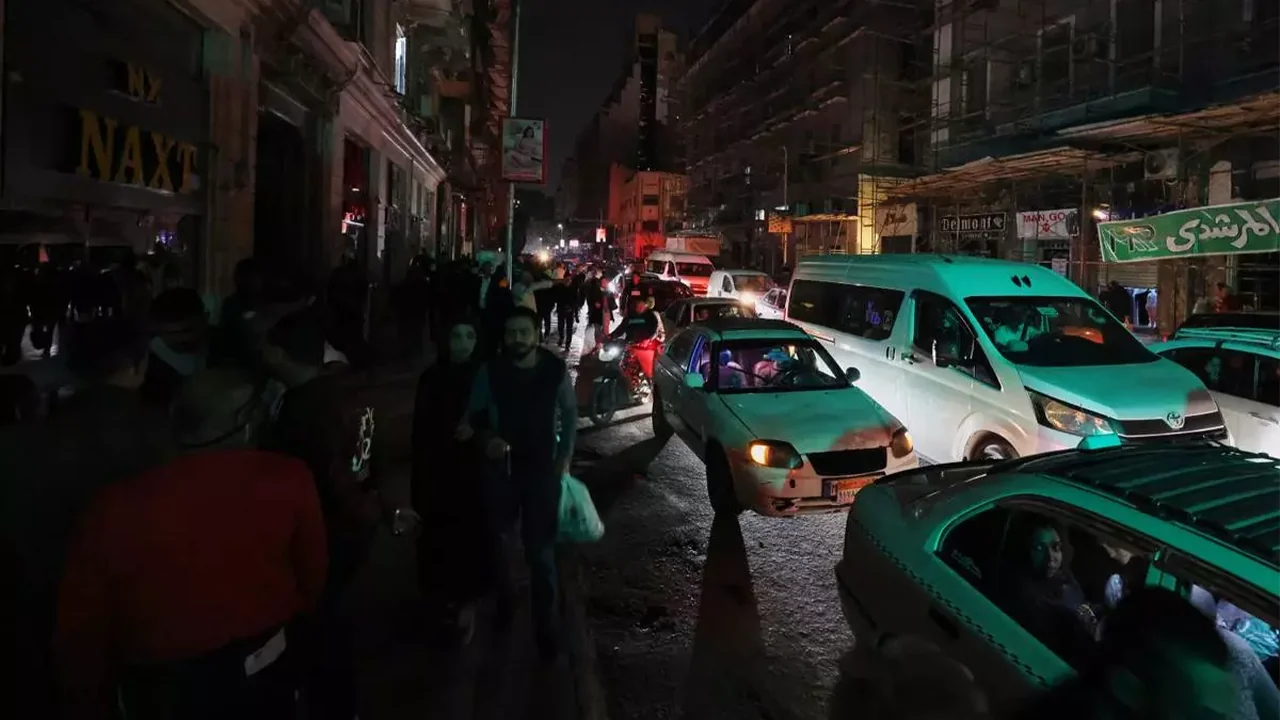
The government introduced early closures and reduced street lighting to conserve electricity after the geopolitical tension surrounding Iran drove up energy costs and disrupted fuel imports. Now, at a peak moment for consumer activity, those restrictions may be eased.
Why You Should Care
This is not a policy reversal for the month-long early closures. It is a controlled pause.
Egypt’s energy import bill has more than doubled since the war began, according to Prime Minister Mostafa Madbouly. In response, the government moved quickly, raising fuel prices, adjusting transport fares, and introducing demand-side measures to manage consumption.
Pausing those measures during Easter week signals something more deliberate: policy is being calibrated, not applied uniformly.
Retail, hospitality, and service sectors are highly sensitive to operating hours. Protecting their peak periods supports cash flow, employment, and domestic demand at a time when external pressures are rising. The decision suggests the government is actively balancing energy constraints with economic continuity.
The Ripple
What this reflects is a system adjusting in real time.
Egypt is managing two parallel priorities: securing energy supply and sustaining market activity. Early closures addressed the first. A temporary suspension supports the second.
At the same time, the state continues to build buffers. Officials confirmed ongoing efforts to secure fuel supplies, maintain strategic reserves, and ensure the availability of essential goods across the country.
This is not a static policy environment. Timing is becoming a tool. Restrictions tighten when needed and ease when economic activity matters most.
The MENA Angle
What is happening in Egypt is a downstream effect of a broader regional disruption.
The same war that is forcing Gulf producers to reroute oil and triggering global price volatility is now shaping domestic policy decisions in the region’s economies. Egypt is effectively absorbing the impact of a regional energy shock that originated elsewhere.
What to Watch
Whether the suspension is approved and expanded. If confirmed and extended beyond Easter week, it signals confidence that Egypt can manage energy demand without fully constraining economic activity.
The containment of second-order effects. Continued focus on commodity prices and supply availability points to an effort to prevent energy shocks from transmitting fully into inflation and market disruption.
Energy management without disruption. Measures to rationalize energy use alongside sustained market activity suggest a system being adjusted rather than constrained.
The government is not only responding to rising costs. It is working to keep markets supplied, prices contained, and critical industries running at the same time. The measures being put in place point to a system that is adjusting, not retreating. That balance is what will allow activity to continue, despite external pressures.
If you see something out of place or would like to contribute to this story, check out our Ethics and Policy section.