New import controls and a ROX Motor manufacturing partnership reflect Egypt’s push to build a regional hub for vehicle production and exports.
Egypt is reshaping its automotive strategy through a two-track approach: tightening oversight of vehicle imports while accelerating local manufacturing.
The shift became clearer this week as Minister of Industry Khaled Hashem revealed plans for new controls on car imports. Additionally, the Ministry of Investment and Foreign Trade witnessed the launch of a partnership between Ezz El Arab – El Sewedy Industrial Investment (ESAF) and global new energy vehicle manufacturer ROX Motor.
Together, the developments signal a broader effort to transform Egypt from a largely import-dependent automotive market into a regional production and export base.
Why You Should Care
Egypt’s automotive market has spent years grappling with vehicle shortages, foreign currency constraints, and rising prices.
Now, policymakers are increasingly looking to local manufacturing as a way to strengthen industrial activity. This aims to reduce reliance on imports, create jobs, and generate export revenues.
The latest announcements point to future growth in the sector coming from production rather than imports. This is particularly in higher-value segments such as new energy vehicles (NEVs).
The Details
In an interview with Asharq on the sidelines of a seminar hosted by the Egyptian Center for Economic Studies, Minister Khaled Hashem pointed to challenges stemming from small dealerships importing large amounts of vehicles. He further argues that this reduces the market share available to companies involved in local manufacturing.
According to Minister Hashem, the government is studying new regulations to organize the vehicle import market. These measures aim to eliminate harmful practices and promote fair competition among manufacturers, distributors, and dealerships.
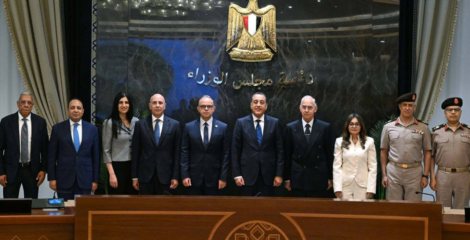
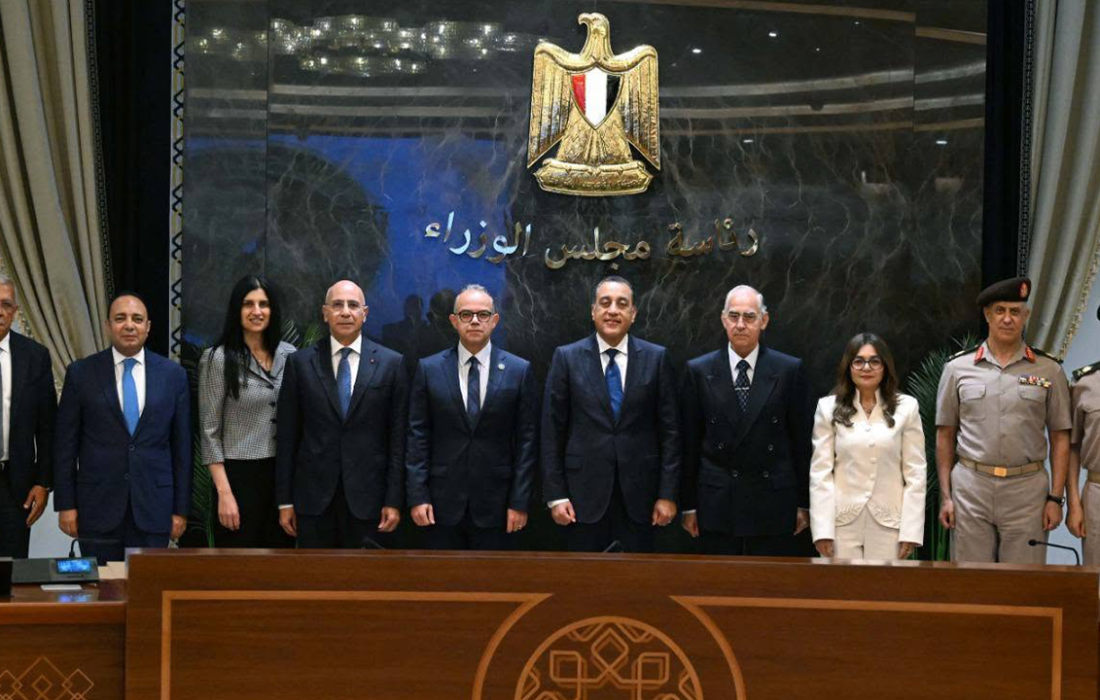
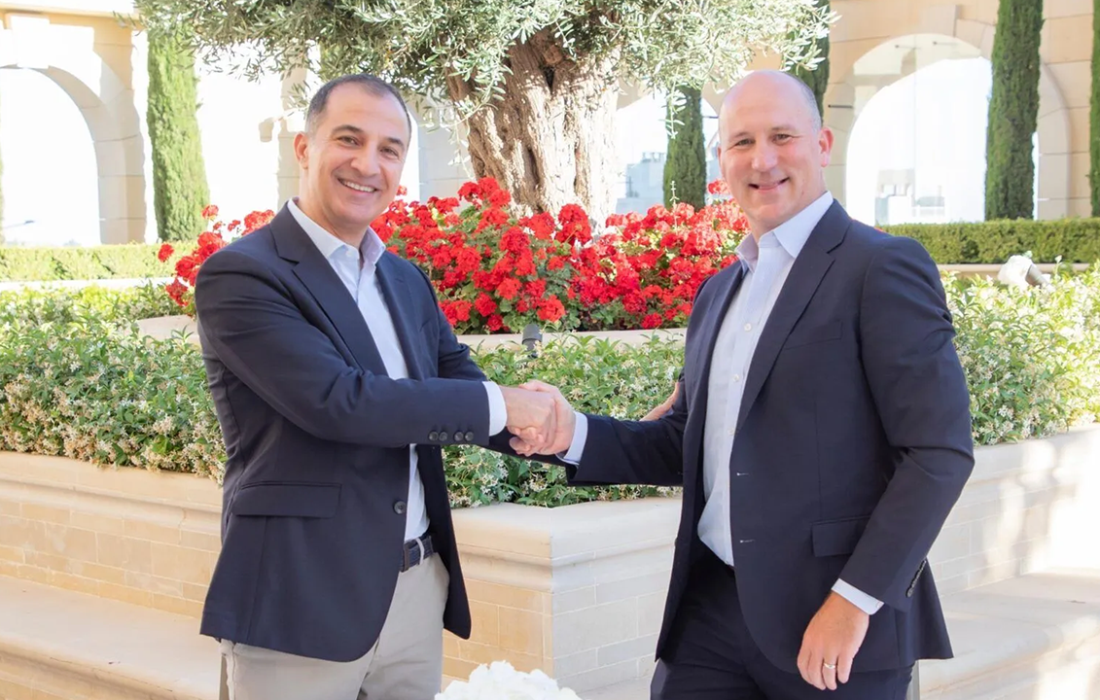
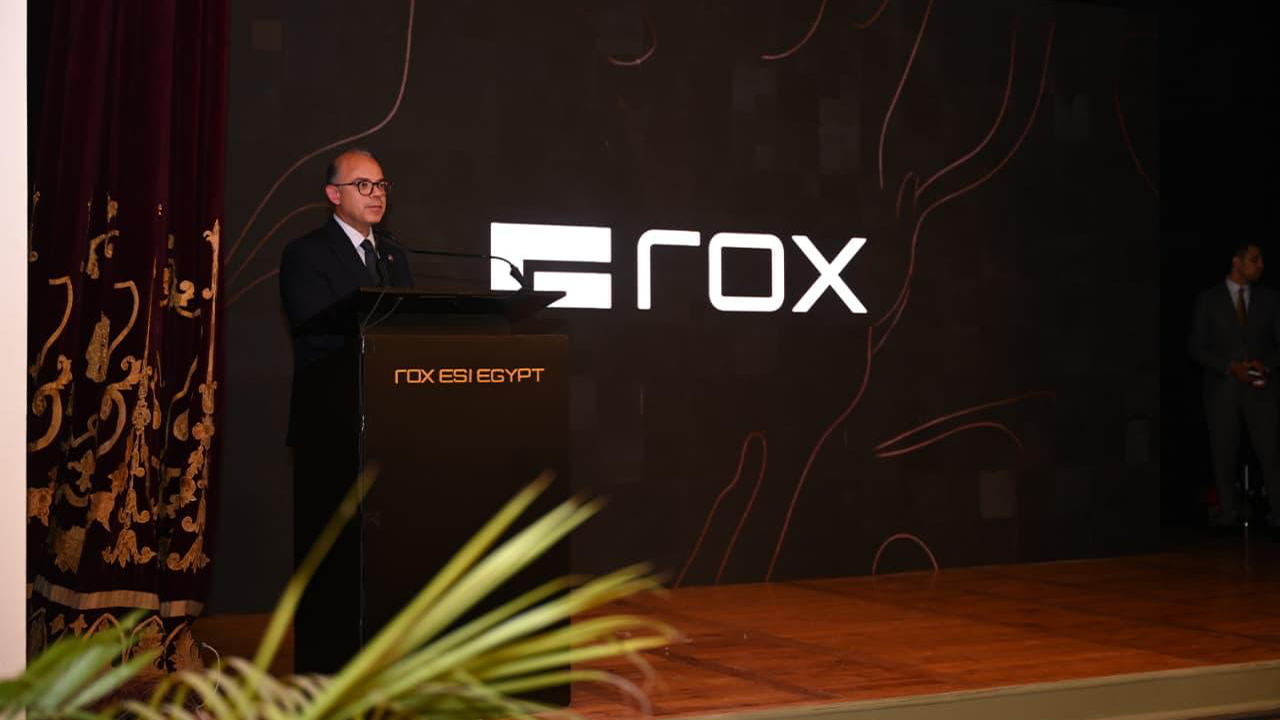
At the same time, Ezz El Arab – El Sewedy Industrial Investment (ESAF) and ROX Motor announced a partnership to manufacture new energy vehicles in Egypt.
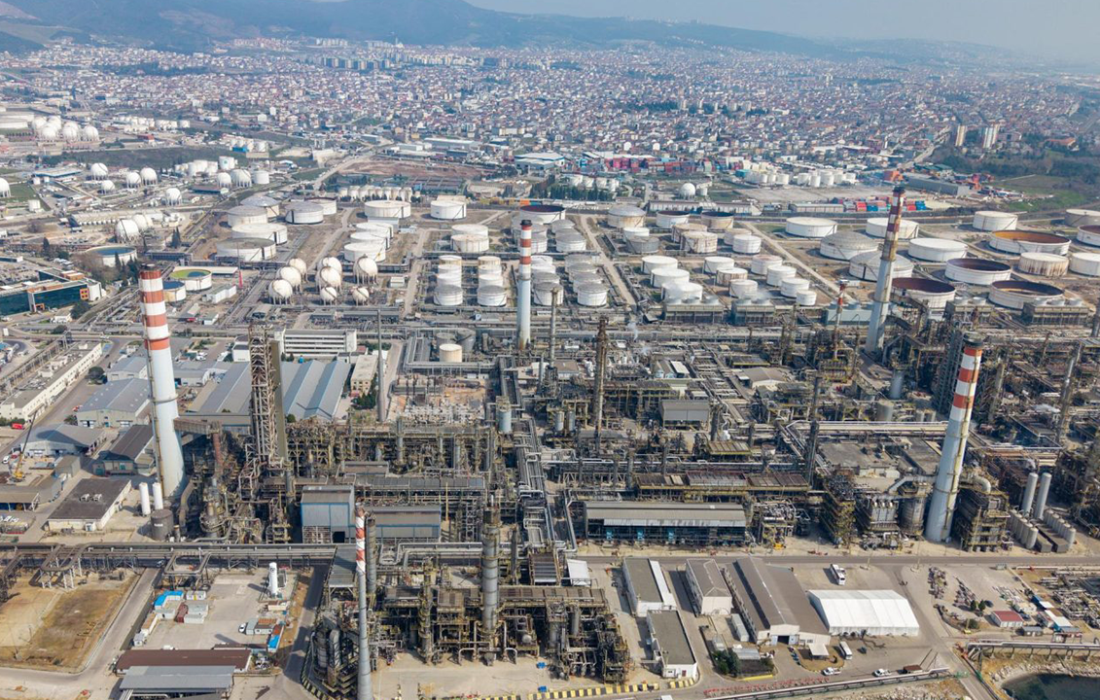
The project will build on the existing industrial base of Ezz ElArab ElSewedy Automotive Factories, with total investments exceeding USD 100 million. The industrial base currently has a production capacity of around 40,000 vehicles annually. Additionally, it aims to increase capacity to more than 80,000 vehicles per year in future phases.
ROX Motor plans to begin manufacturing vehicles in Egypt in the second or third quarter of 2027. The company aims to scale production to approximately 10,000 vehicles annually within its first three years of operation. It also plans to export more than half of its first-phase production to Gulf and African markets starting in the second half of 2027.
The project is also designed to support greater localization across the automotive value chain. This includes batteries, sensors, electronic systems, wiring harnesses, glass, plastic, and rubber components.
This partnership aims to attract productive industrial investments based on technology and knowledge transfer. This seeks to contribute to deepening local manufacturing, increasing added value, boosting exports, and integrating into global value chains. Overall, this aims to foster the competitiveness of the Egyptian economy.
The Ripple
The implications extend far beyond vehicle assembly.
A larger manufacturing base could create opportunities for suppliers, component manufacturers, logistics providers, and exporters. It could also encourage additional international automakers to view Egypt as a production platform serving Africa, the Gulf, and other export markets.
The government’s focus on new energy vehicles is particularly notable. Beyond increasing production volumes, officials are targeting technology transfer and the development of higher-value manufacturing capabilities that can strengthen Egypt’s position in emerging automotive segments.
If successful, the strategy could help shift the sector from being a major consumer of foreign currency through imports to a growing source of export revenues.
What to Watch
Egypt’s next milestone will be the rollout of the new import regulations and how they support the government’s broader push toward local manufacturing.
ROX Motor’s planned production launch in 2027 marks an important milestone, but the broader signal lies in the ecosystem forming around it. As Egypt expands local content, attracts suppliers, and strengthens supporting industries. Thus, the automotive sector is taking on a larger role in the country’s industrial ambitions.
The result is a market increasingly geared toward production, exports, and value creation. This places manufacturing at the center of Egypt’s automotive future.
If you see something out of place or would like to contribute to this story, check out our Ethics and Policy section.