- Egypt and IFC plan startup investment funds with professional governance to ensure sustainable financing and long-term venture success.
- Discussions included carbon market expansion, linking credits to corporate social responsibility, creating economic and social returns through sustainable projects.
- The Ministry of Investment proposes TradeTech Sandbox to leverage big data, AI, and analytics, boosting exports and improving market and investor insights.
IFC
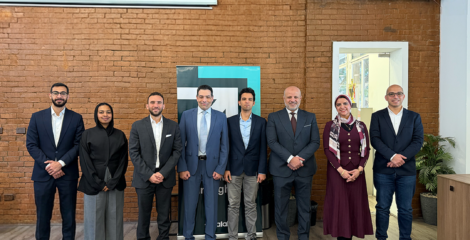
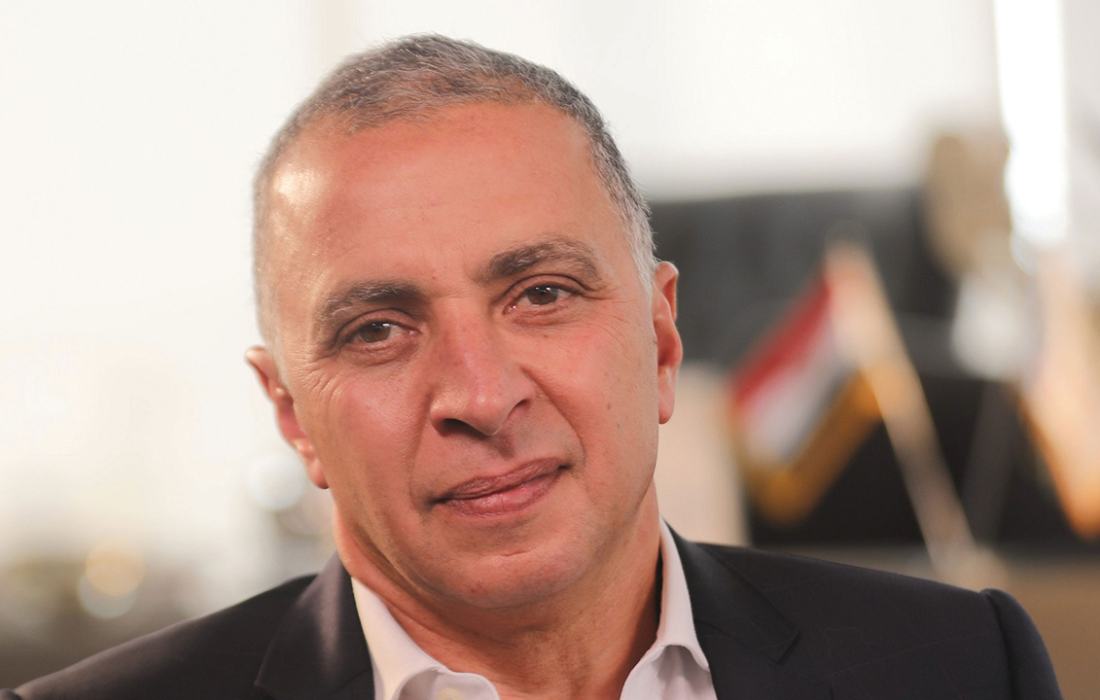
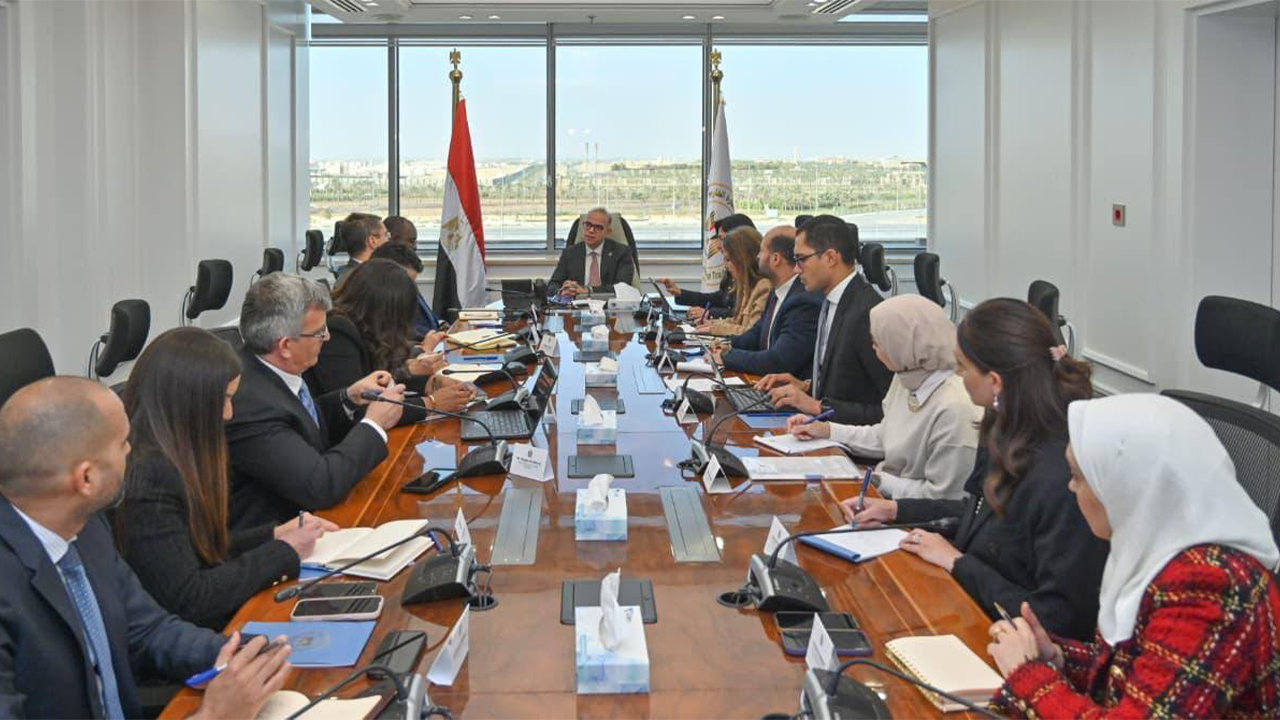
Minister of Investment and Foreign Trade Dr. Mohamed Farid Saleh, held an expanded meeting with representatives of the International Finance Corporation (IFC). This is part of the Ministry of Investment and Foreign Trade’s efforts to enhance Egypt’s competitiveness as a global investment destination.
The meeting addressed the key pillars of his plan to develop Egypt’s business and investment environment, as well as mechanisms for partnership and cooperation in implementation. The discussion covered strategies to enhance sustainable finance, support startups, and activate digital and green economy tools.
It also included a set of practical initiatives aiming to improve investment governance, strengthening digital transparency, and launching advanced capacity-building programs. In addition, there were discussions of innovative strategies to expand the carbon market and link it to corporate social responsibility. These efforts aim to attract high-quality investments and achieve sustainable economic development.
Startup Investment Funds
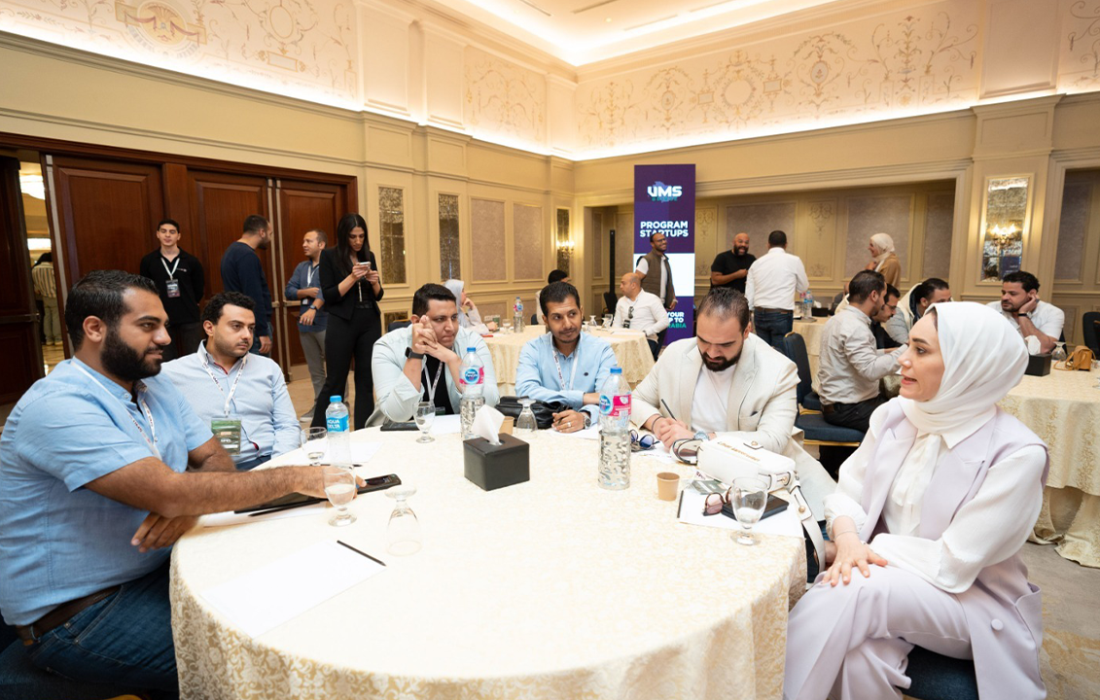
The meeting addressed the launch of investment funds for startups. It also engaged in discussions on building a professional governance structure to ensure sustainable financing and the success of Egyptian ventures.
The goal is to attract international partners not only as financiers, but also as contributors. This is so they can aid in project selection and performance monitoring to ensure long-term success, with a focus on financial and administrative sustainability.
Carbon Credits
The meeting explored opportunities for cooperation with the IFC in several areas, including technical support, and targeting global investors interested in carbon credits. This also includes encouraging local companies to purchase these credits as part of their environmental commitments.
They also discussed linking carbon credit purchases to corporate social responsibility programs. This would enable companies’ environmental obligations to translate into direct funding for farmers or small environmental projects that reduce emissions. Thus, it aims to deliver both economic and social returns.
The meeting also covered the development of an official registry for carbon projects to document all emissions reduction initiatives. This is alongside a comprehensive platform to showcase these projects to international financiers. In addition, discussions included expanding the issuance and trading of renewable energy certificates (I-RECs) to enhance the attractiveness of clean energy projects.
TradeTech Sandbox
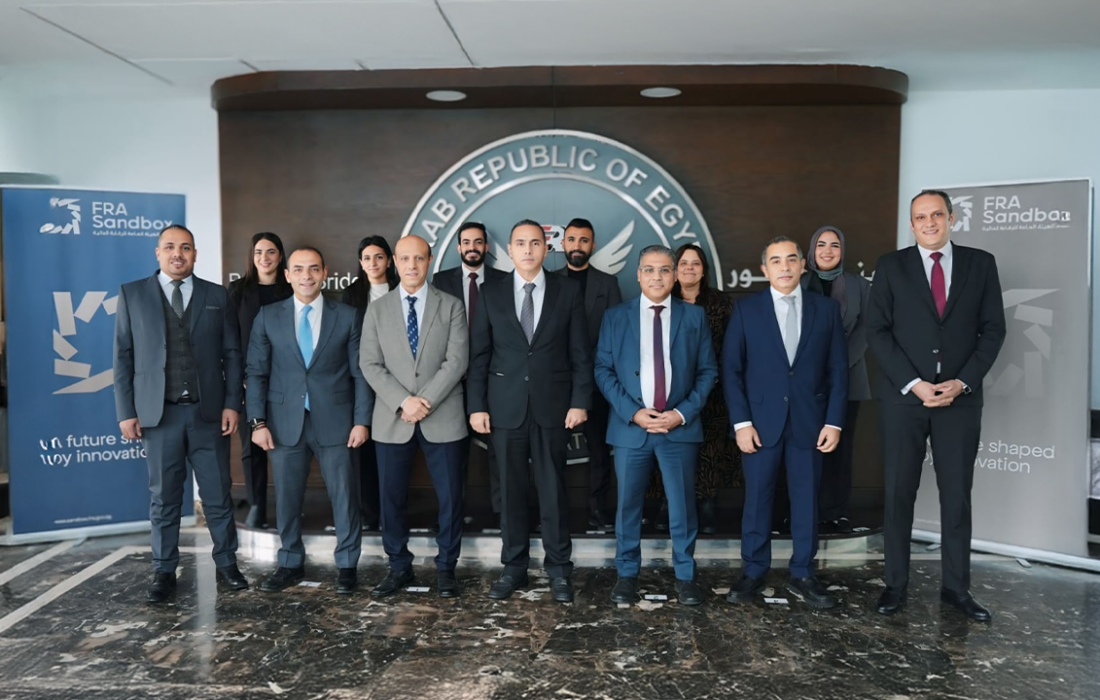
As part of digital transformation and building on the success of fintech, the Minister presented the Ministry’s vision to launch a TradeTech Sandbox. This will be a regulatory testing environment for trade technology. This initiative aims to leverage big data and advanced analytics to facilitate access to new markets and boost Egyptian exports.
The sandbox will integrate data from the General Organization for Export and Import Control, the Egyptian Commercial Representation, and the Ministry of Industry, alongside relevant international data. This will provide a precise view of markets and investment/export opportunities. It will also engage AI-focused startups to develop software solutions that analyze this data and map stakeholders and potential importers, with full data confidentiality ensured.
If you see something out of place or would like to contribute to this story, check out our Ethics and Policy section.