Inflation Surges
The shockwaves from the Iran conflict are rippling through global markets impacting everything from inflation to fuel prices.
The Central Bank of Egypt released the inflation data for February 2026, stating that on an annual basis, urban headline CPI inflation recorded 13.4% in February 2026 in comparison to 11.9% in January 2026. Moreover, monthly urban headline CPI inflation recorded 2.8 percent in February 2026 in comparison with 1.4 percent in February 2025.
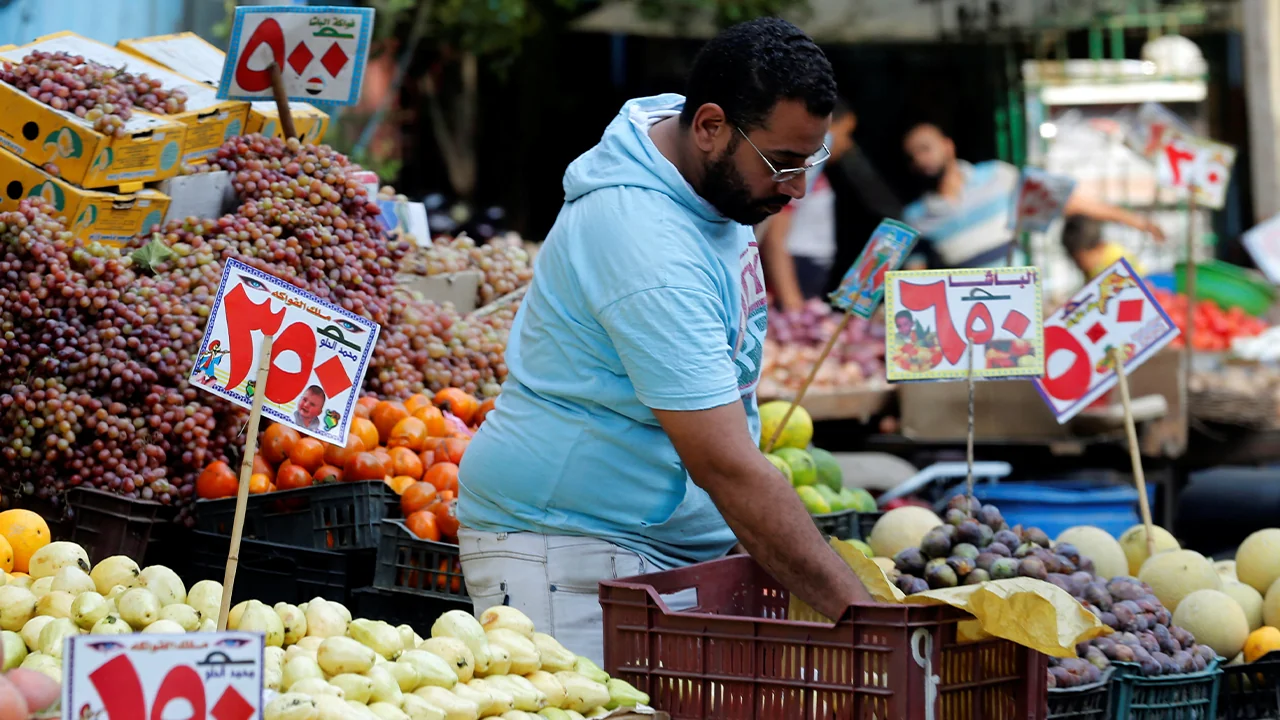
Behind the increase in inflation is a rise in the cost of everyday essentials. The rise in inflation in February was largely driven by food and beverage prices. Meat and poultry climbed 9% month-on-month, while dairy, cheese, and eggs increased 0.5%, oils and fats by 0.5%, and vegetables by 3.8%.
Additionally, due to unprecedented geopolitical tensions in the region, the EGP fell to 52.4 per dollar on Monday 9th of March 2026. However, the currency recouped gaining 1.5% on Tuesday reaching around 51.996 per dollar according to Bloomberg. The news giant reports that the currency may be under pressure due to foreign investors reducing exposure in emerging markets.
Fuel Prices Rise
On Tuesday 10th of March 2026, Egypt raised fuel prices across every grade of petrol and diesel. Furthermore, increases range from 14% to 17% depending on the grade. The Minister of Energy indicated that the decision reflects the exceptional situation from the Middle East’s geopolitical developments and their direct impact on global energy markets.
The impact of global energy market turbulence goes far beyond higher fuel prices. Energy costs ripple through the entire economy. Speaking to Bloomberg, Mohamed Abu Basha, Head of Macroeconomic Analysis at EFG Hermes, said: “Higher global fuel prices, combined with a weaker pound, clearly reshape Egypt’s inflation outlook, as they do across broader emerging markets.”
Impact Hits Consumers
Energy costs ripple through every corner of everyday life. Rising energy costs almost always hit consumers directly. Any rise in fuel prices increases transportation and distribution costs which in turn increase consumer prices. This “pass-through” effect means that when fuel becomes more expensive, costs to move goods rise, and those added costs often show up in everyday prices for households.
The impact is being felt worldwide. Egypt is far from alone in facing these pressures, as many economies are revising budgets and adjusting fiscal plans amid volatile global oil prices. These are unprecedented circumstances, prompting governments across the globe to consider temporary and exceptional measures to shield their economies from sudden shocks.
The impact of the conflict will depend on how long the escalation lasts. The longer tensions persist, it could have a bigger impact on import costs, put pressure on currency markets, impact tourism and the inflow of remittances. Analysts warn that prices could rise further if supply disruptions persist.
Egypt’s inflation pressures are part of a wider ripple effect from Middle East tensions. Rising energy costs and geopolitical uncertainty are pushing prices across the region, affecting households, trade, and currencies. How governments across the region will manage these shocks will determine the broader economic impact in the months ahead.
If you see something out of place or would like to contribute to this story, check out our Ethics and Policy section.