Egypt’s Lucky is moving from consumer credit to something closer to a full-stack financial platform.
Why You Should Care
Consumer credit in Egypt is no longer just about access. It is becoming infrastructure.
Lucky’s USD 23 million Series B comes at a moment when regulation, payments, and digital onboarding are all shifting at once. This is where fintech stops being a product layer and starts becoming a system layer.
For operators and investors, this signals something clearer: the next phase of fintech in Egypt will be defined by platforms that can scale within regulatory frameworks, not around them.
Founded in 2019, Lucky is an Egypt-based fintech platform that began with cashback and rewards before expanding into consumer credit. The company now offers credit lines, cards, and merchant integrations, positioning itself within the broader shift toward digital financial services in Egypt.
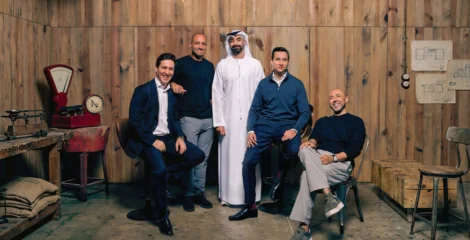
The Cairo-based fintech secured USD 23 million in a Series B round combining equity and debt. The round was led by Disruptech Ventures, DPI Venture Capital through the Nclude fund. It also saw participation from Suez Canal Bank and OneStop.
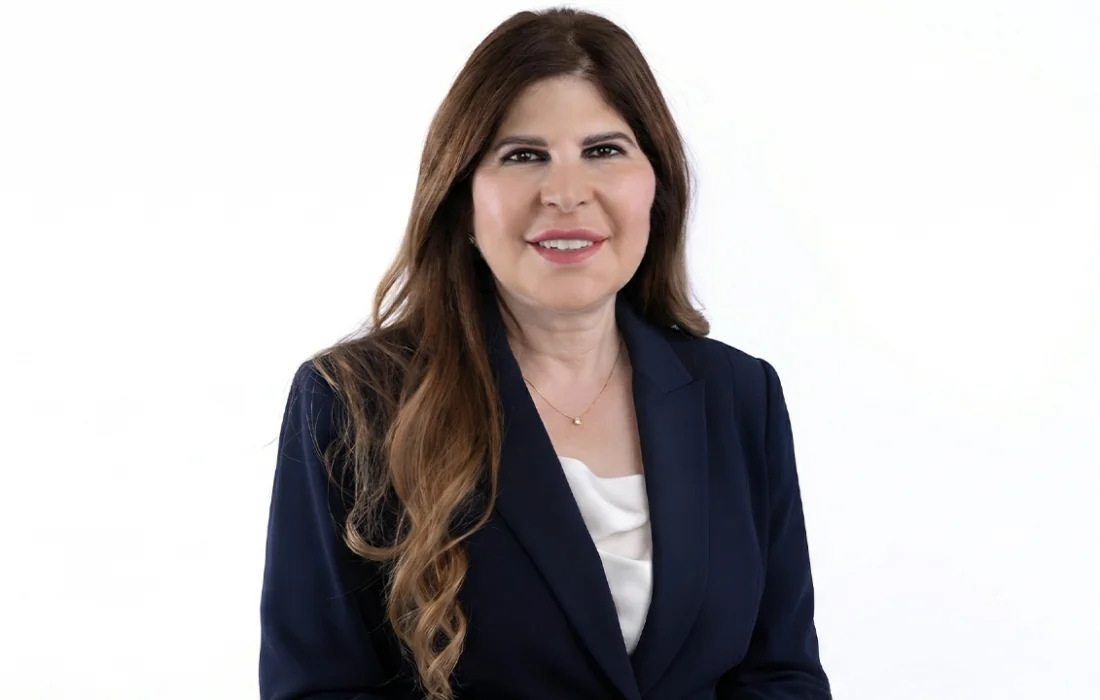
The round also brings Mohamed Farouk in as Chairman of the Board, adding a strategic layer of governance as the company enters its next phase.
The timing reflects where the company is in its cycle. Lucky reported 3x growth in 2025 and reached profitability by year-end
It is now focusing on scaling its credit product, entering North Africa, and building the infrastructure required to operate within emerging regulatory frameworks. This includes active steps toward PSP licensing, which would allow Lucky to expand beyond credit into broader financial services.
At its core, the company is evolving from a cashback and rewards platform into a full consumer credit network, offering cards, instant credit lines, and merchant integrations across Egypt.
The Ripple
What matters now is how regulation translates into distribution.
Lucky has built partnerships across merchants and financial institutions, serving a growing user base across Egypt
This matters because consumer credit at scale depends on distribution. Merchant networks, financial partners, and user reach are not just supporting layers. They are what make the model work. As the company moves into North Africa, expansion will depend on rebuilding similar networks across new markets, while adapting to different regulatory and risk environments.
At the same time, continued investment in technology, risk infrastructure, and regulatory capabilities points to where competition is shifting. Not just toward acquiring users, but toward building systems that can support scale across multiple markets.
At the same time, continued investment in technology, risk infrastructure, and regulatory capabilities points to where competition is shifting. Not just toward acquiring users, but toward building systems that can support scale across multiple markets.
What to Watch
Egypt is rolling out digital onboarding, upgrading payments infrastructure, and introducing PSP licensing frameworks. Lucky has already begun working toward licensing, which would allow it to expand beyond credit into a broader financial services stack
That shift changes how fintech companies scale. Consumer credit becomes an entry point rather than the full product, with payments, onboarding, and compliance shaping how deeply a company can integrate into a user’s financial activity.
As Lucky expands into North Africa, this becomes more complex. Each market brings its own regulatory structure, meaning growth will depend not just on replicating the product, but on rebuilding the underlying systems that support it.
The next phase will be defined less by speed and more by structure, as companies that align early with regulatory frameworks and infrastructure are better positioned to scale across markets.
If you see something out of place or would like to contribute to this story, check out our Ethics and Policy section.