- Elsewedy Electric plans a USD 500M expansion across Saudi Arabia and Qatar, anchored by nine new factories and expanded manufacturing capacity.
- Saudi investments target cables, copper rods, chargers, meters, and transformers, alongside USD 4B in ongoing engineering and construction projects.
- In Qatar, the group plans USD 67M in new factories, targeting export growth after production begins in 2027.
Elsewedy Electric
Elsewedy Electric, an electricity giant, has allocated around USD 500 million in investments to establish new manufacturing facilities in Saudi Arabia and Qatar.
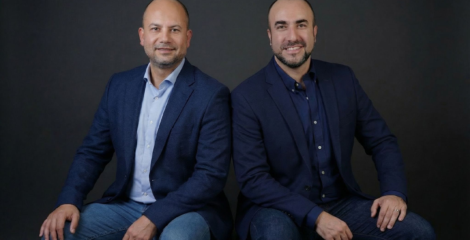
In an interview with Asharq Business, Ahmed Elsewedy, CEO of Elsewedy Electric, stated that the company plans to invest around USD 400 million (SAR 1.5 billion) in Saudi Arabia. The company will focus on building nine new factories, including two plants in Yanbu. One of the plants is for the production of specialized cables, and another for copper rods. The second plant was developed in partnership with Alfanar, with an annual production capacity exceeding 130,000 tonnes.
The CEO also adds that new investments include factories in Riyadh to produce cable accessories, fiberglass, electric vehicle chargers, and water meters. The company also plans to establish a factory in Dammam for the production of power transformers.
Currently in Saudi Arabia, Elsewedy Electric’s business volume stands at around USD 533 million (SAR 2B) in the industrial sector. This is in addition to up to USD 4 billion in ongoing engineering and construction projects.
Factories
Regarding Qatar, El Sewedy revealed that the company allocated USD 67 million (QAR 250M) in investments. This is to establish factories for the production of copper rods, aluminum rods, and power distribution transformers. He notes that these projects are currently under review by the board of directors. If approved, production is expected to begin in 2027.
Currently in Qatar, the company’s business volume in Qatar amounts to around USD 549 million (QAR 2B). Additionally, the exports from the company’s factories in Qatar exceeded USD 150 million this year. These exports head for Gulf markets, Australia, and New Zealand.
If you see something out of place or would like to contribute to this story, check out our Ethics and Policy section.