Geopolitical Tensions
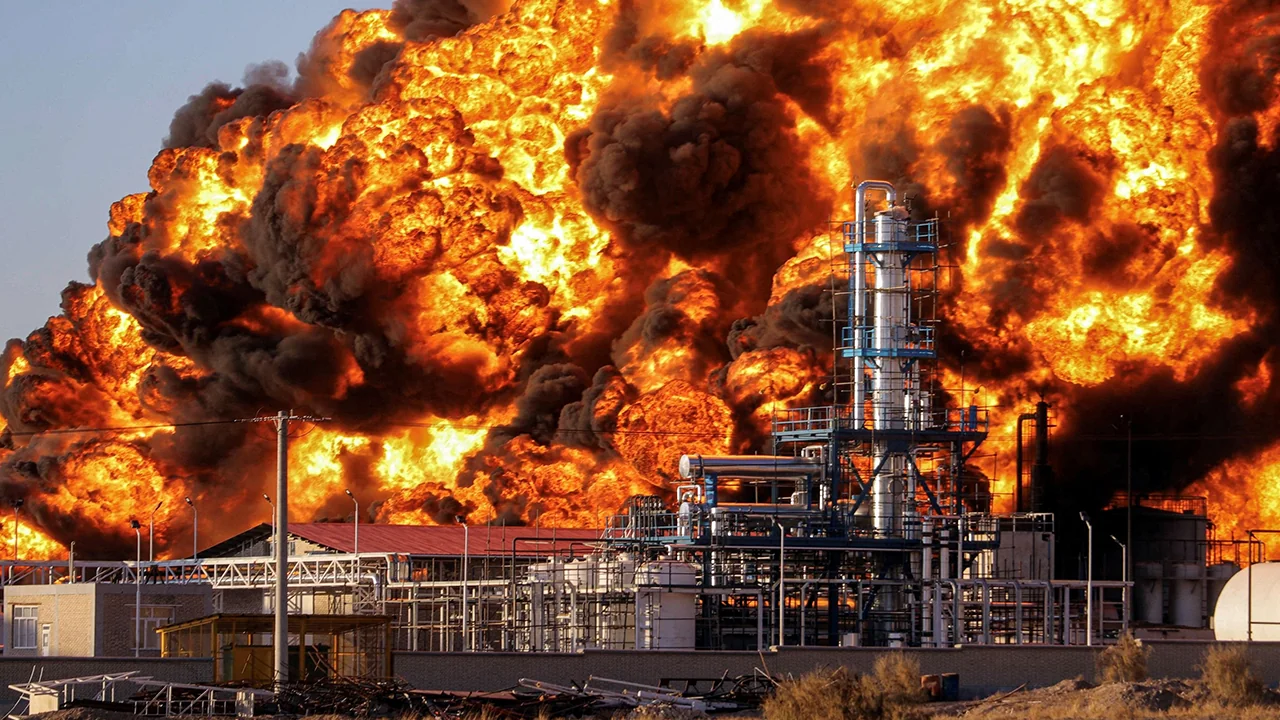
Oil is once again the pressure point in geopolitics. As the attacks on Iran continue and the conflict escalates, markets are pricing not just military risk, but supply disruption. According to Reuters, on Friday, 27th February, Brent crude oil traded around USD 73 a barrel, which is up by a fifth this year. On a global level, the impact will largely depend on the conflict’s effect on the oil market.
Iran holds about 12% of the world’s oil reserves. Additionally, it currently exports between 1.5 million and 2 million barrels per day, primarily to China. Iran is the third-largest oil producer in the Organization of the Petroleum Exporting Countries (OPEC). It extracts about 3.3 million barrels per day (bpd) of crude oil and another 1.3 million bpd of condensate and other liquids.
Pressures on Oil
In terms of the Strait of Hormuz, the simple threat of disruption is often enough to cause an increase in prices.
According to Reuters, during current events, some oil majors and top trading houses suspended crude oil and fuel shipments via the Strait of Hormuz. An economist at Capital Economics predicts that even if the conflict is contained, Brent might rise up to around USD 80, which was the peak during the 12-day war in Iran last June. Moreover, a prolonged conflict may result in oil prices surging to around USD 100 while potentially adding 0,6-0.7% to global inflation.
Additionally, an AMP chief economist spoke to the Australian Broadcasting Corporation, indicating that oil prices could spike to USD 100 given the disruption to oil supplies, including via the Strait of Hormuz. He indicates that this is clear, given the nature of the conflict, including talk of regime change in Iran.
The strait is critical to global energy shipments as 20% of global oil and 20% of liquefied natural gas (LNG) flow through it. On a daily basis, 20 million barrels of crude, condensate, and fuels flow via the waterway.
Pressures on Markets
It is expected that conflict is likely to exacerbate volatility across global markets. This includes possible impact on currency markets, including the dollar index. For instance, while short-lived, the dollar index fell by around 1% during the conflict in June 2025.
In current circumstances, analysts point out that the size of the fall will depend on how large and long-lasting the conflict is.
Additionally, trading bourses in the Middle East, including in Saudi Arabia and Qatar col;d be impacted with possible repercussions on investor sentiment. There could also be an impact on global airline stocks due to cancelled flights across the Middle East. Their stocks could be under pressure if the conflict spreads and forces more airspace closures.
In times of conflict, investors often head toward safe havens. Thus, investment flows could return to gold again, which has had multiple record highs in a row. So far, in 2026, gold prices have increased 22%. Meanwhile, silver is another safe haven investors could head towards, causing another surge in the precious metal’s already boisterous year.
Trade Routes Under Pressure
These tensions have raised concerns about the safety of merchant vessels in and around the Arabian/Persian Gulf. According to Lloyd’s List, several carriers are being rerouted due to heightened risks and port standstills. Several container shipping carriers have reversed or diverted from Hormuz, thus rerouting vessels away from the Suez Canal. For instance, shipping giant Maersk announced that it will temporarily pause the passage of its vessels through the Suez Canal and instead reroute them around the Cape of Good Hope. The shipping giant also announced that it is suspending all vessel crossings in the Strait of Hormuz until further notice.
Maersk was closely followed by Hapag-Lloyd and CMA CGM, who also decided to reroute vessels around Africa away from the Suez Canal and the Bab el Mandeb Strait.
Both Hapag-Lloyd and CMA CGM also announced that they would be applying a war risk surcharge for cargo to and from the Upper Gulf, the Arabian Gulf, and the Persian Gulf.
It is being reported that in some cases, insurers are cancelling policies for shipping operations in waters around the conflict. According to the Financial Times, many war risk insurers submitted cancellation notices on Saturday, 28th February, for policies covering ships moving through the key oil chokepoint. Additionally, insurance prices for ships travelling through the Gulf are rising by more than half. Furthermore, it is expected that after cancelling policies, insurers will negotiate coverage at higher prices.
Markets on Edge
The escalation around Iran is once again testing the resilience of global energy markets and financial systems. Oil remains the most immediate pressure point, with any disruption to supply routes, particularly through the Strait of Hormuz, quickly translating into price volatility and inflationary risk.
Beyond crude prices, the ripple effects extend to shipping, insurance costs, currency markets, and investor sentiment. Rerouted vessels, rising war-risk premiums, and tighter insurance coverage highlight how quickly geopolitical tensions can increase the cost of doing business across trade corridors.
While markets have so far reacted with volatility rather than panic, the direction of prices and asset flows will largely depend on whether the conflict remains contained or expands. For now, uncertainty itself is acting as a market driver.
If you see something out of place or would like to contribute to this story, check out our Ethics and Policy section.