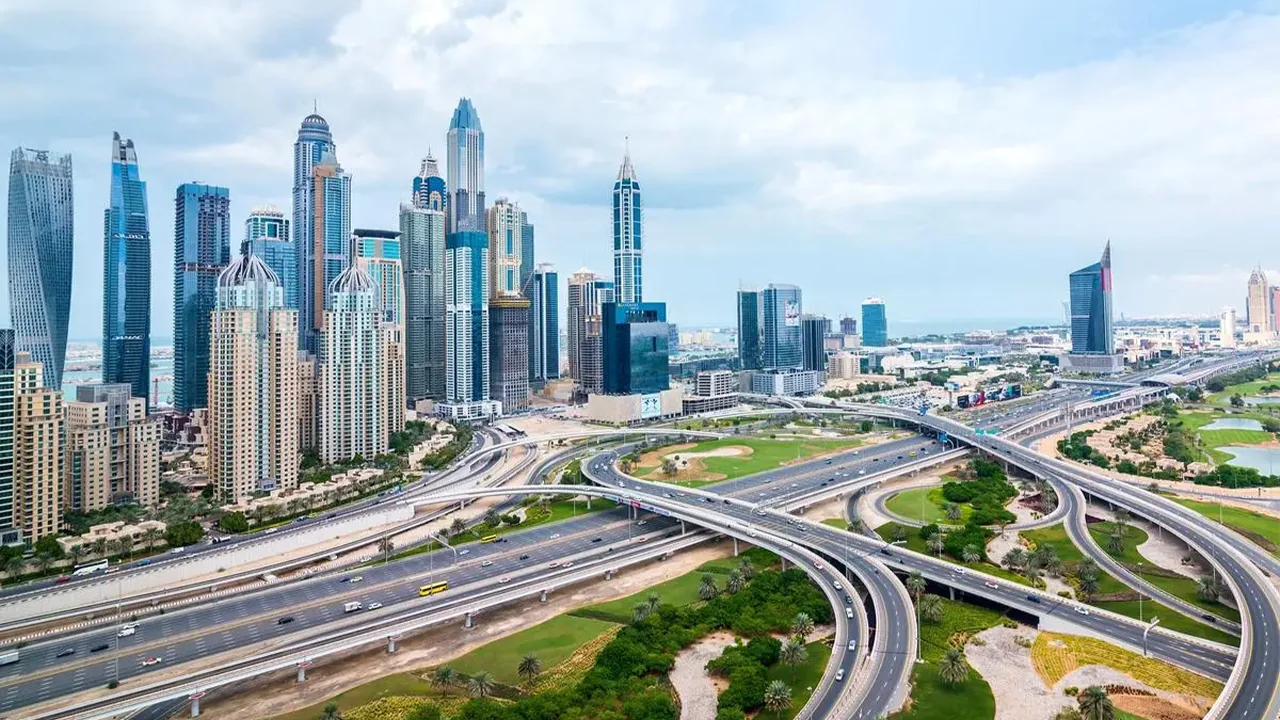
- The Iran conflict is weighing on tourism across the Gulf, as companies and travelers adjust plans amid ongoing uncertainty.
- Airlines and travel operators report a sharp decline in bookings as travelers shift to alternative destinations amid rising uncertainty.
- Analysts warn the region could lose tens of billions of dollars in tourism revenue if instability and disruptions persist.
Tourism
Tourism across the Middle East is facing renewed pressure as widening conflict increases concerns over safety and airline operations. The sector contributes roughly USD 367 billion annually to the region’s economy. That scale makes it highly sensitive to shocks that affect mobility and international travel flows.
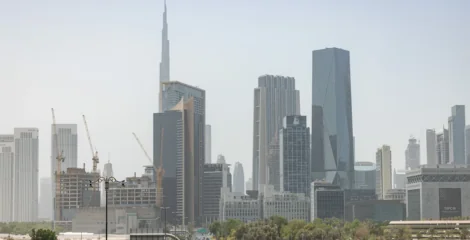
Recent disruptions have already affected major aviation hubs. Flights at key airports were temporarily grounded during periods of heightened tension. In Dubai, the world’s busiest international airport, passengers were left stranded as uncertainty spread.
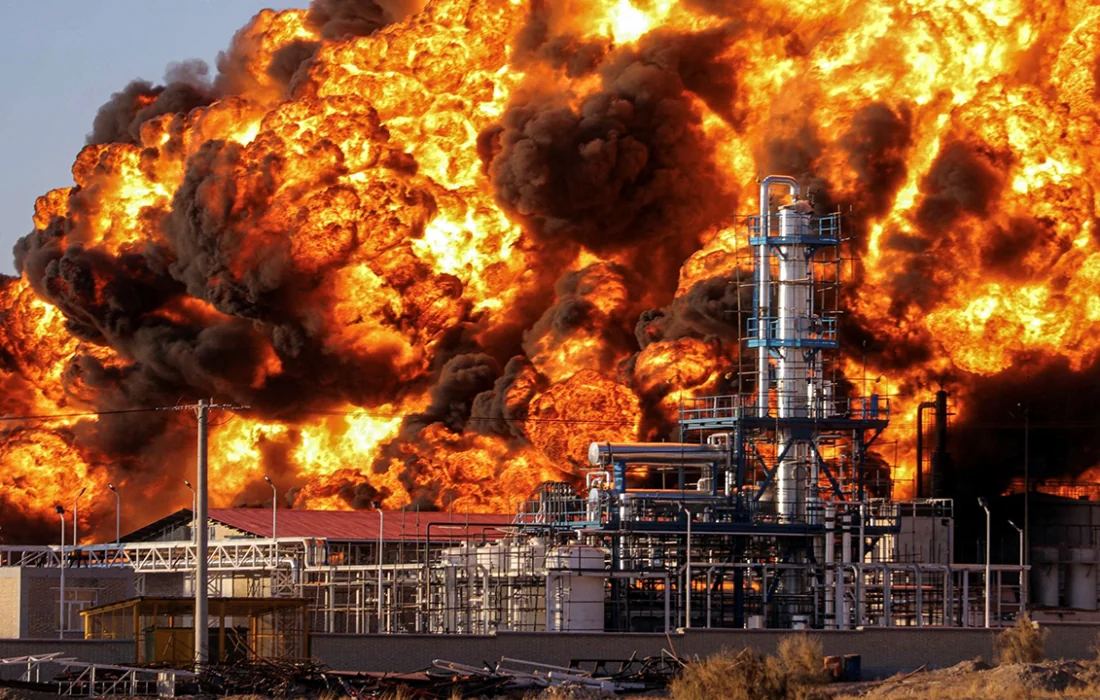
Damage was reported at certain infrastructure sites, including airport facilities and major hotels. Even limited operational interruptions can quickly influence traveler perception and short-term booking decisions.
Reuters reports that data from AirDNAA Data shows that vacation rental cancellations in the UAE more than doubled following the initial escalation. Moreover, around 8,450 units were canceled in a single day, mostly for stays scheduled in March.
Air Travel
Airlines confirm that demand has softened. Ryanair reported a noticeable drop in Middle East bookings as customers reacted to the instability. At the same time, demand shifted toward short-haul European destinations such as Portugal, Italy, and Greece.
Executives say travelers are prioritizing perceived stability. Many are redirecting trips to markets that feel less exposed to regional risk. Consultancy Tourism Economics estimates that between 23 million and 38 million fewer tourists could visit the Middle East this year, depending on how long tensions continue. That scenario would translate into potential revenue losses between USD 34 billion and USD 56 billion.
The forecast includes not only immediate cancellations but also lingering hesitation even after conditions stabilize. However, Reuters reports that some tourists currently in the region report normal daily activity and continue their trips. Despite this,uncertainty continues to weigh on pricing, airline capacity, and the near future of the Gulf tourism industry.
If you see something out of place or would like to contribute to this story, check out our Ethics and Policy section.