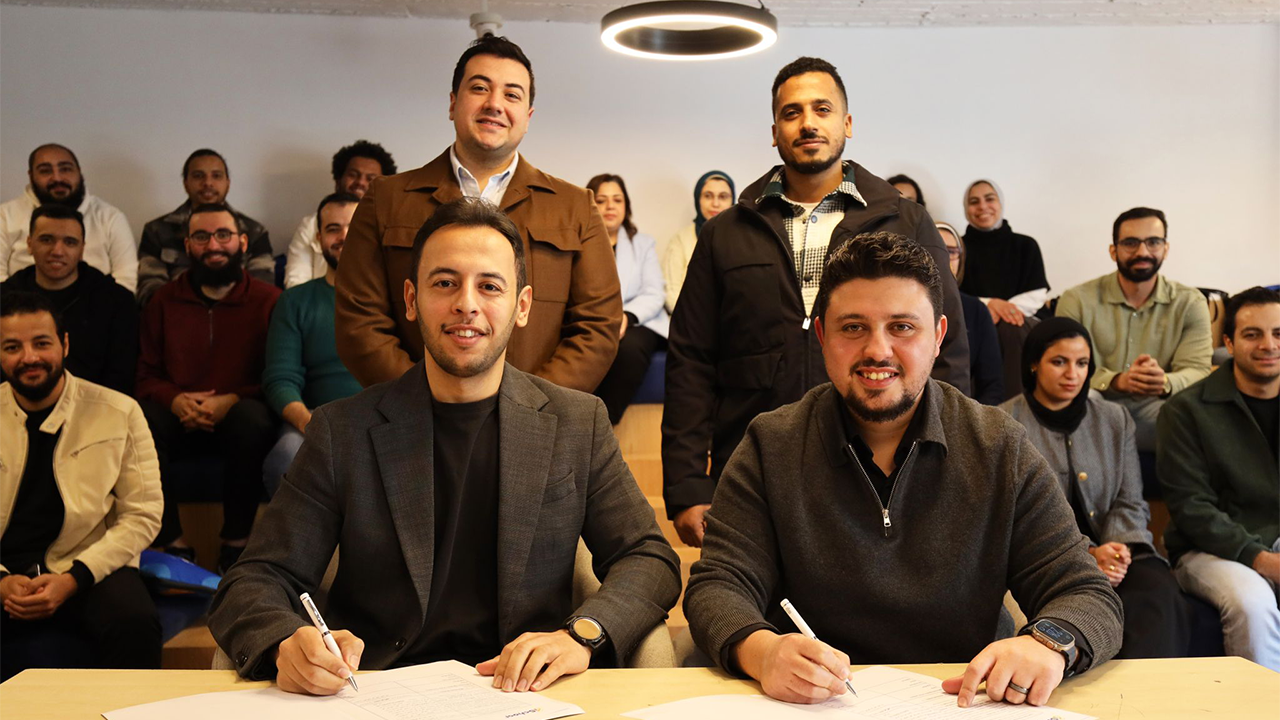
iSchool is moving from an education provider to a full-stack AI infrastructure builder for schools.
iSchool, a K-12 AI and coding education platform operating across more than 20 countries, has acquired software engineering firm Rubikal as part of its push to develop next-generation AI products for schools.
Why You Should Care
This acquisition signals a shift in how edtech companies in MENA are positioning themselves. iSchool is not just scaling its learning platform; it is consolidating technical capabilities in-house to build proprietary AI systems.
For operators and investors, this reflects a broader move toward vertical integration in education technology, where owning the infrastructure layer becomes a competitive advantage.
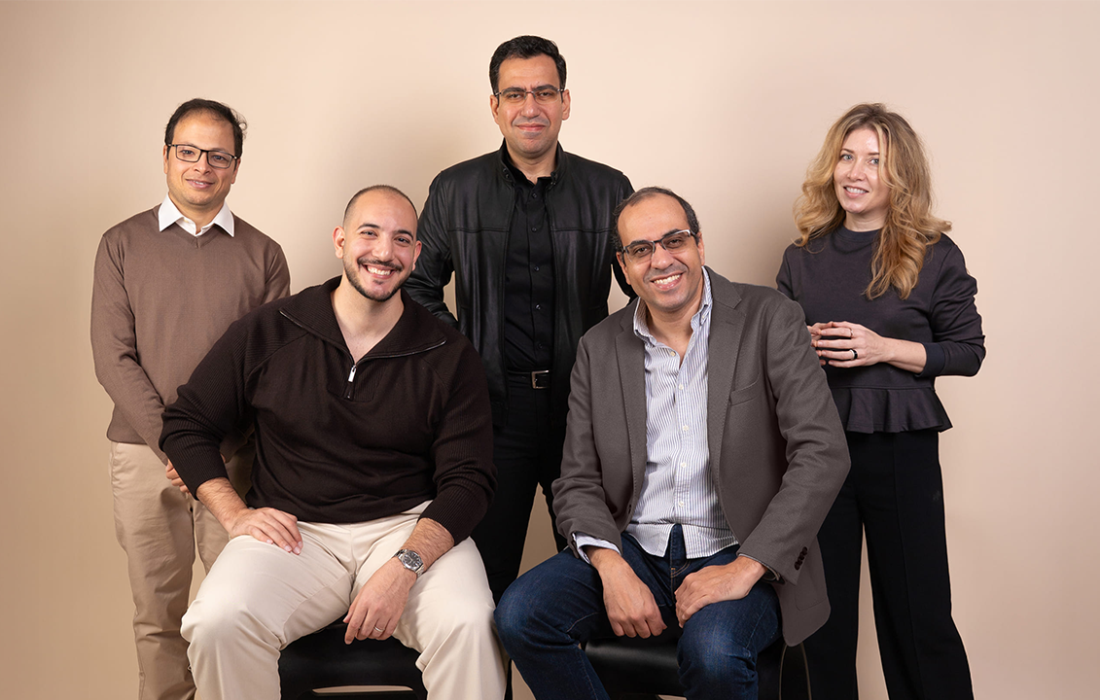
The deal brings Rubikal’s full engineering team into iSchool, including 21 software engineers and its founding leadership. Mohamed Ibrahim, Rubikal’s co-founder, will take on the role of Chief Technology Officer at iSchool, while co-founder Moustafa Badawy joins as Vice President of Engineering.
The acquisition builds on an existing relationship between the two companies. Over the past three years, Rubikal has acted as a core engineering partner to iSchool, supporting the development and scaling of its platform. That collaboration revealed operational alignment, which ultimately led to full integration.
Rubikal has built software for global clients, including Discovery Inc, The Walt Disney Company, and Vestaboard, developing scalable systems across multiple industries. That experience now shifts toward education, where iSchool is building AI-driven learning systems, internal tools, and platform infrastructure.
With more than 150,000 graduates and partnerships spanning government and institutional clients, iSchool is expanding beyond content delivery into technology ownership.
The Ripple
This move reflects a wider pattern in edtech and beyond. Companies that started as service or content platforms are increasingly acquiring or building engineering capacity to control their product stack.
In MENA, where many startups rely on outsourced or distributed technical teams, bringing engineering in-house signals maturity. It allows companies to iterate faster, protect intellectual property, and build differentiated products, especially in AI, where infrastructure and data integration are critical.
For software firms like Rubikal, this also highlights a path beyond client services. Deep partnerships can evolve into full integration when product alignment becomes stronger than service delivery.
What to Watch
Bringing engineering in-house gives iSchool more control over how its products are built and deployed, particularly as it expands into AI-driven systems.
The immediate focus will likely be on integration. How quickly the combined teams can align on product development and translate that into tools used by schools and institutional partners will determine the impact of the acquisition.
More broadly, this points to a shift in how edtech companies in the region are evolving. As demand moves toward more integrated and scalable systems, companies that can build and control their technology stack may be better positioned to respond.
If you see something out of place or would like to contribute to this story, check out our Ethics and Policy section.