Geopolitically driven uncertainty is reshaping where capital parks, and how fast it moves
A shift is underway in how Middle East wealth is positioning itself globally.
Why You Should Care
Wealthy residents from the Middle East are increasingly exploring high-end real estate in Europe, with demand rising across key markets including London, Switzerland, Spain, and Portugal.
What we are seeing is not capital flight. It is capital flexibility. Wealth is not exiting the region, but it is actively hedging risk, diversifying geographically, and prioritizing optionality in a way that has immediate implications for real estate markets, financial hubs, and investment flows.
Realtors are reporting a surge in inquiries from a wide spectrum of buyers, from ultra-high-net-worth individuals to expatriate professionals and families seeking temporary relocation. In Marbella alone, some agencies are receiving up to five inquiries daily, with multiple deals already closed since the war began.
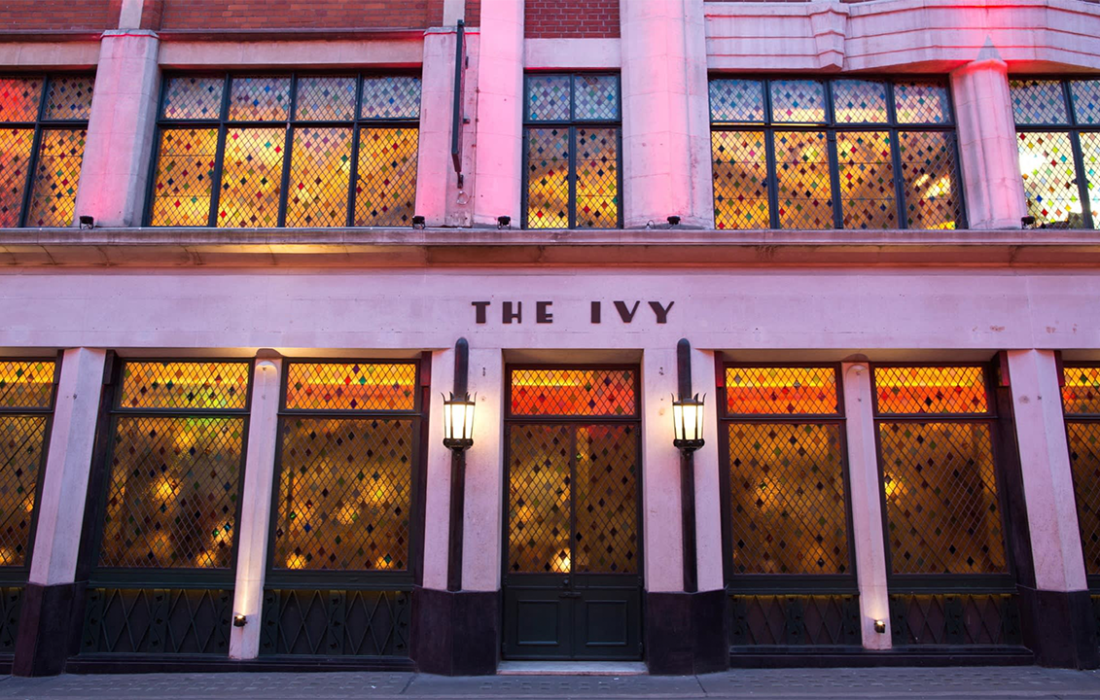
In London, the impact is already visible in pricing. Demand for prime rentals has increased significantly, with a 16.9% year-on-year rise in new prospective tenants for high-end properties. Much of this demand is driven by individuals opting for short-term leases, typically under six months, as they wait for regional conditions to stabilize.
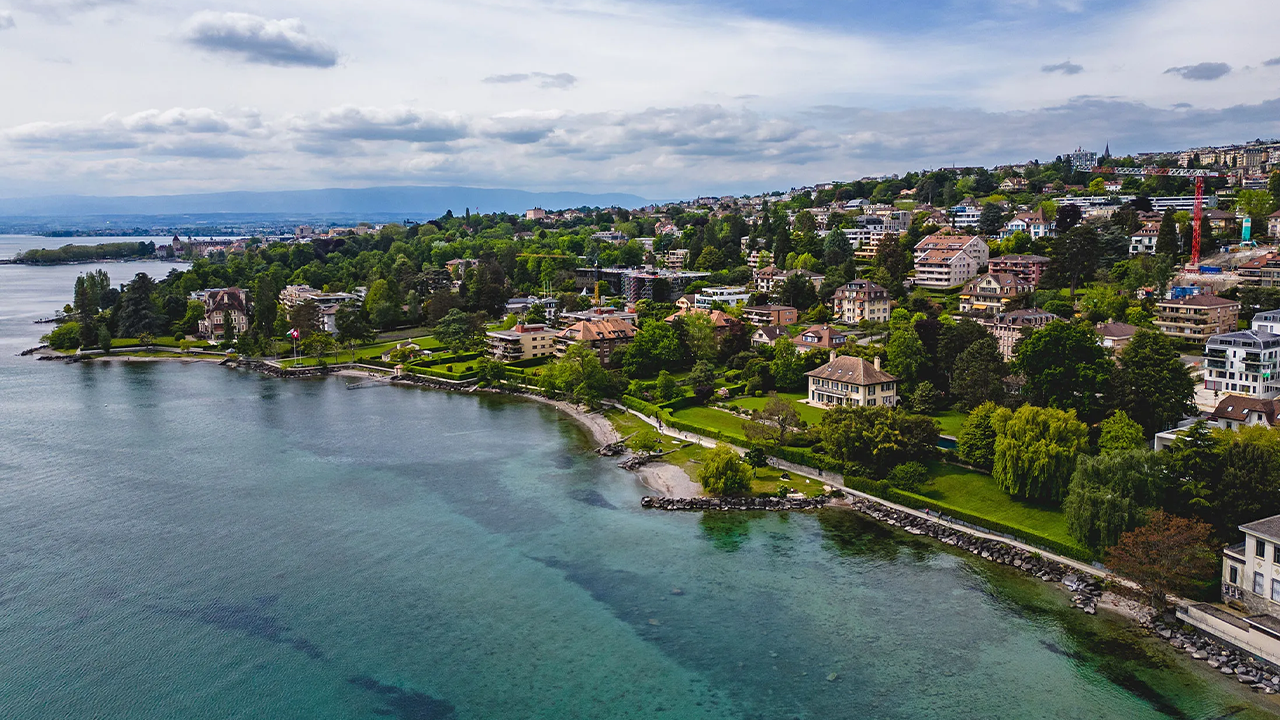
Switzerland continues to play a central role in this shift. Middle Eastern investors already hold close to $580 billion in Swiss assets, reinforcing the country’s position as a long-standing financial and residential anchor during periods of uncertainty.
Importantly, most of this movement is not yet permanent. Many buyers are opting for rentals rather than acquisitions, reflecting a wait-and-see approach rather than a structural exit. Decisions around tax residency, schooling, and long-term relocation remain complex and are slowing permanent transitions.
The Ripple
This shift is redistributing demand rather than draining it.
European luxury property markets are immediate beneficiaries, particularly those that historically competed with Dubai for global wealth. Spain, Italy, France, and Portugal are re-emerging as preferred destinations, not necessarily as replacements, but as complementary bases.
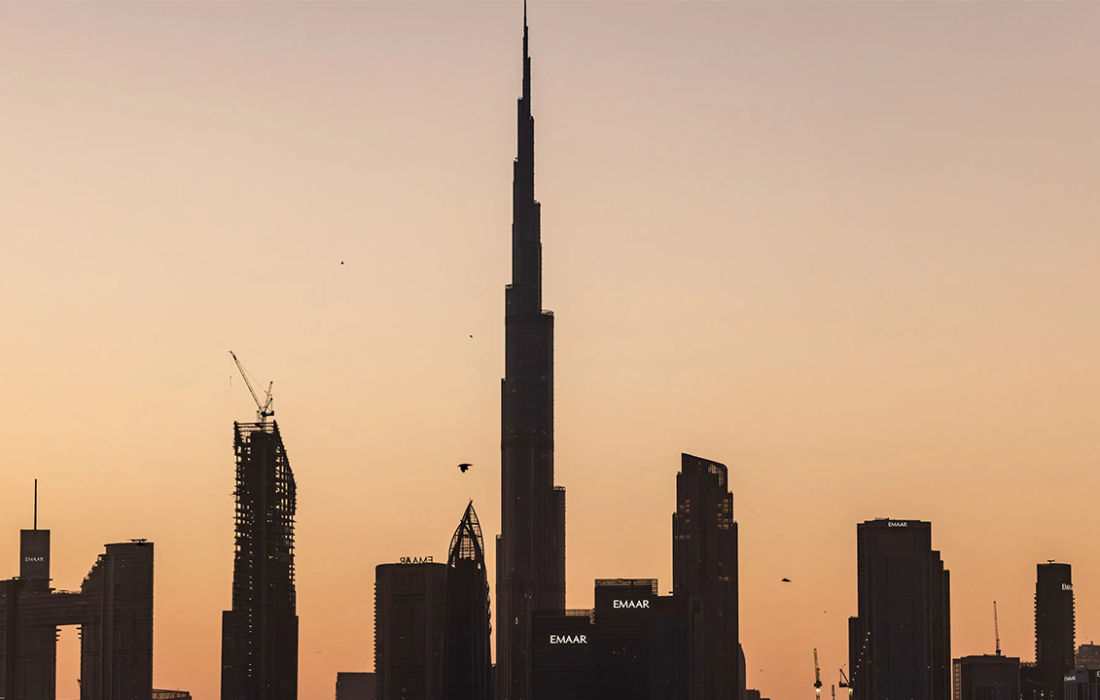
Some overseas buyers had previously increased exposure to Gulf property markets such as Dubai, where prices have seen significant appreciation in recent years. While demand remains supported, investor behavior is becoming more selective, particularly across newer or less established segments of the market.
This is introducing a more measured pricing dynamic in the near term, as investors reassess how to balance regional exposure with global diversification.
Financial institutions are already adjusting. Some firms are temporarily relocating staff or allowing flexible working arrangements, while still maintaining long-term commitments to the region. This signals a recalibration of operations, not a withdrawal.
The more subtle impact is on investor behavior. Capital that would have previously flowed more aggressively into Gulf real estate is now being evaluated across a broader geographic set, introducing a new layer of competition between global property markets.
What to Watch
The key signal is not whether capital is moving, but how it is being deployed.
Short-term rental demand across Europe suggests investors are prioritizing flexibility while maintaining exposure to the Middle East. If this trend continues, it reinforces a more global, multi-market approach to wealth allocation rather than a shift away from the region.
At the same time, Gulf markets remain structurally positioned to attract capital, supported by strong fundamentals, policy momentum, and continued institutional interest. As conditions stabilize, this dual exposure model could accelerate, with investors actively balancing regional strength with international diversification.
What emerges from this moment is not a reordering of capital flows, but a more dynamic one. Investors are no longer choosing between markets. They are operating across them.
If you see something out of place or would like to contribute to this story, check out our Ethics and Policy section.