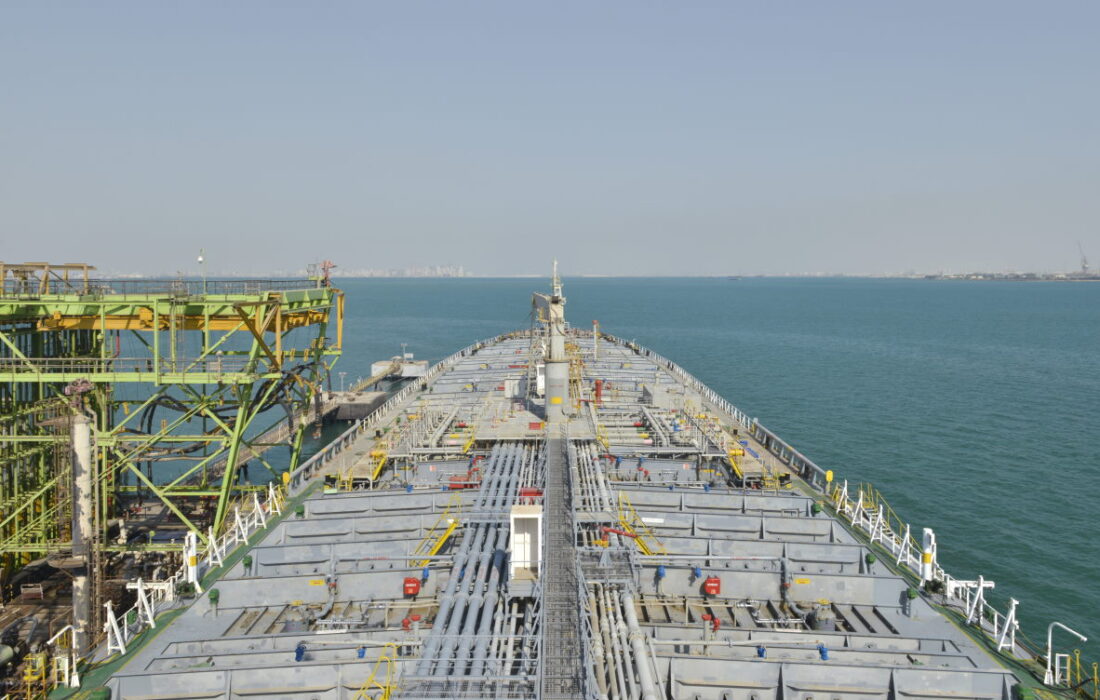
Global oil markets are in turmoil. After surging past USD 100 a barrel, prices plummeted sharply following signals from the U.S. about a potential end to the Iran conflict. The disruption of the Strait of Hormuz, a key oil chokepoint, has sent shockwaves through energy markets, threatening higher costs for consumers, businesses, and placing pressure on global economies.
Historic Spike Hits USD 119
On Monday, March 9, 2026, analysts’ predictions materialized as oil prices climbed past USD 100 per barrel. Oil prices passed USD 119 per barrel, the highest it has been since Russia’s attack on Ukraine in February 2022. It does not stop there, analysts predict that the continued closure of the Strait of Hormuz could drive the price close to USD 150 per barrel. This would bring above the previous record high of USD 145.29 set in July 2008.
Goldman Sachs said the disruptions in the Strait of Hormuz have had an impact 17 times larger than the peak hit to Russia’s oil production in April 2022 following the Russian invasion of Ukraine.That earlier disruption pushed global oil prices to around USD 139 per barrel.
Markets Recoil from Historic High
Oil prices plunged as much as 10% on Tuesday 10th March after peaking the day before. As of the time of writing on Tuesday 10th March 2026 at 9:51 AM GMT, Brent crude oil is at USD 89.66, a decrease of 9.30% as reported by Bloomberg.
The crash came after US President Trump signaled that the US war on Iran could be ending soon. In a phone interview with CBS News on Monday he said that “”I think the war is very complete, pretty much.”
The crude market was defined by intense price swings on Monday and then suddenly dipped lower in after-hours trading after Trump’s latest remarks.
Bob McNally, president of Rapidan Energy Group, said today’s oil price collapse reflects optimism sparked by the president’s remarks. Traders are still processing the disruption’s scale, as the Strait of Hormuz has long been assumed untouchable by any country.
McNally described the full closure as unprecedented and calamitous, noting even 1980s tensions never halted passage through the strategic waterway. For now, markets are betting the disruption will be temporary and that oil navigation through the Strait will soon resume.
High Stakes for the Economy
Today, on Tuesday 10th March, the CEO of Saudi Arabia’s Aramco, the world’s top oil exporter, said there would be “catastrophic consequences” for the world’s oil markets if the Iran war continues to disrupt shipping in the Strait of Hormuz.
Reuters reports that Aramco CEO Amin Nasser told reporters on an earrings call that “There would be catastrophic consequences for the world’s oil markets and the longer the disruption goes on … the more drastic the consequences for the global economy,”
He further adds that “While we have faced disruptions in the past, this one by far is the biggest crisis the region’s oil and gas industry has faced,”
The oil giant CEO indicates that the crisis has not only disrupted the shipping and insurance sectors but is also expected to trigger significant ripple effects across aviation, agriculture, automotive, and other industries.
Global Economy Under Pressure
Soaring oil prices are creating pressure for the global economy. Central banks were coming close to nearing the end of normalizing interest after an aggressive tightening cycle in response to the Russia-Ukraine War. However, many analysts are now predicting that the Iran conflict could prompt a return to a rise in borrowing costs.
The expeditious rise of oil is placing financial markets under heavy selling pressure, and consumers are facing rising prices. Furthermore, central banks could increase borrowing costs and governments may be under pressure to support households and businesses.
Economists warn that soaring oil and gas prices could fuel inflation, weaken demand, and slow growth. Ian Stewart, Deloitte UK’s chief economist, noted that energy shocks have historically triggered recessions, including after Russia’s 2022 invasion of Ukraine. Rising costs and uncertainty may curb investment and trade, pushing fragile economies closer to recession.
Rising energy costs almost always hit consumers directly. Household energy bills could spike, while higher business expenses ripple through global supply chains, driving prices up further. The impact would be drastic as higher bills force households and businesses to cut spending, slowing the wider economy.
The Road Ahead for Oil
What comes next hinges on how long the strait is disrupted and the ability to divest exports. Analysts say a short disruption could ease energy prices, but prolonged uncertainty could keep oil above USD 100 per barrel for the rest of the year.
The oil market remains on edge as geopolitical tensions and energy supply disruptions drive historic volatility. While short-term swings may ease if the Strait of Hormuz reopens quickly, sustained uncertainty threatens higher prices, rising inflation, and slower global growth.
If you see something out of place or would like to contribute to this story, check out our Ethics and Policy section.