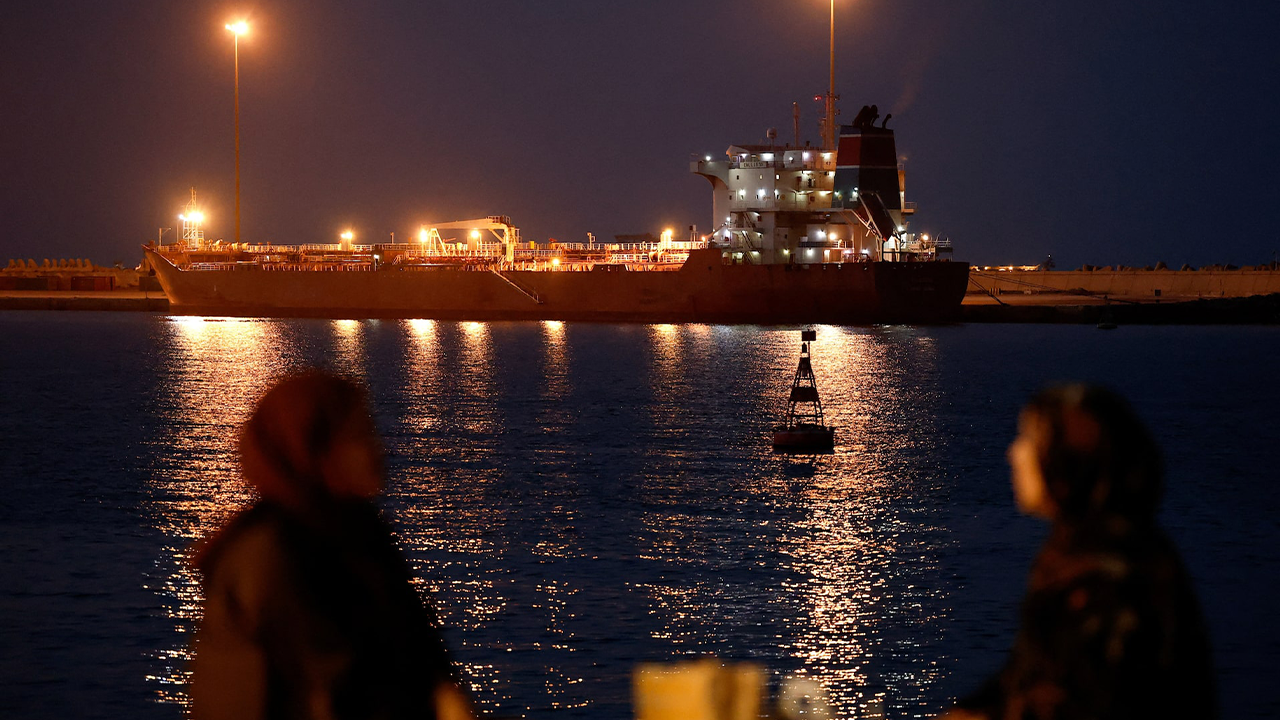
A planned supply increase signals intent, but war-driven disruptions continue to define the oil market.
The oil market is no longer being set by production targets. It is being set by what can physically move.
Why You Should Care
The Organization of the Petroleum Exporting Countries (OPEC+) is signaling that more supply is coming. But the timing matters more than the number.
Right now, the group cannot meaningfully increase output even if it wants to. The bottleneck is not production capacity. It is the Strait of Hormuz.
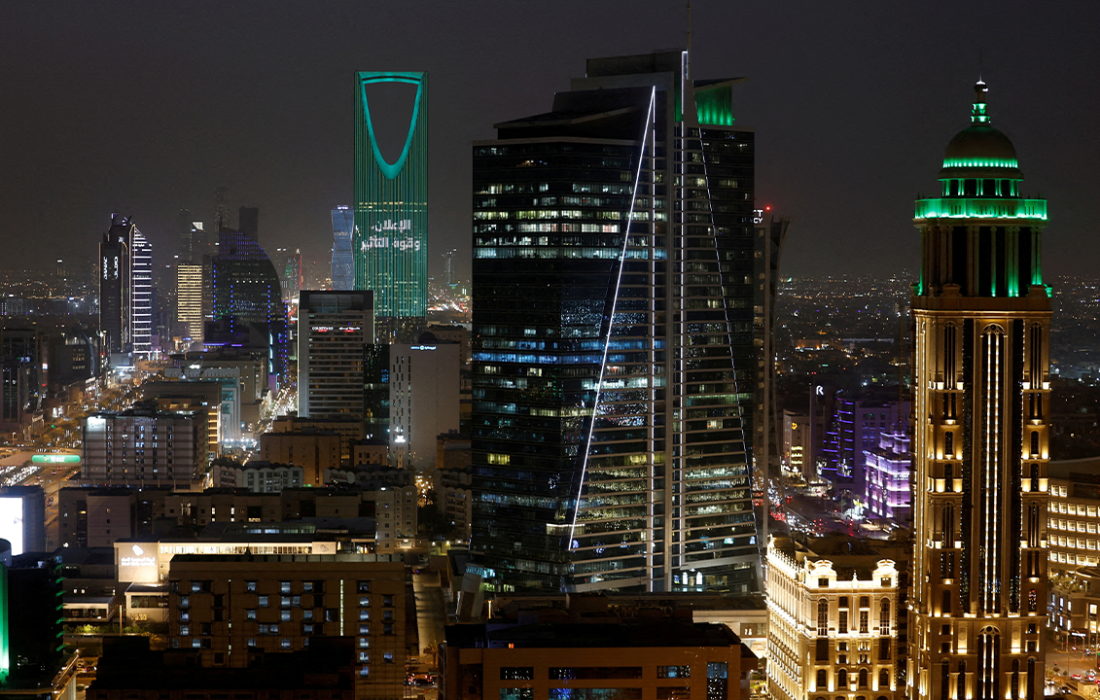
For businesses, investors, and policymakers across MENA, this shifts the conversation away from OPEC+ decisions and toward infrastructure risk, logistics, and recovery timelines. The question is no longer how much oil exists. It is how much can reach the market.
OPEC+ agreed to raise output quotas by around 206,000 barrels per day for May, continuing a gradual effort to unwind earlier production cuts.
The same increase had already been planned for April. In both cases, the additional supply remains largely theoretical.
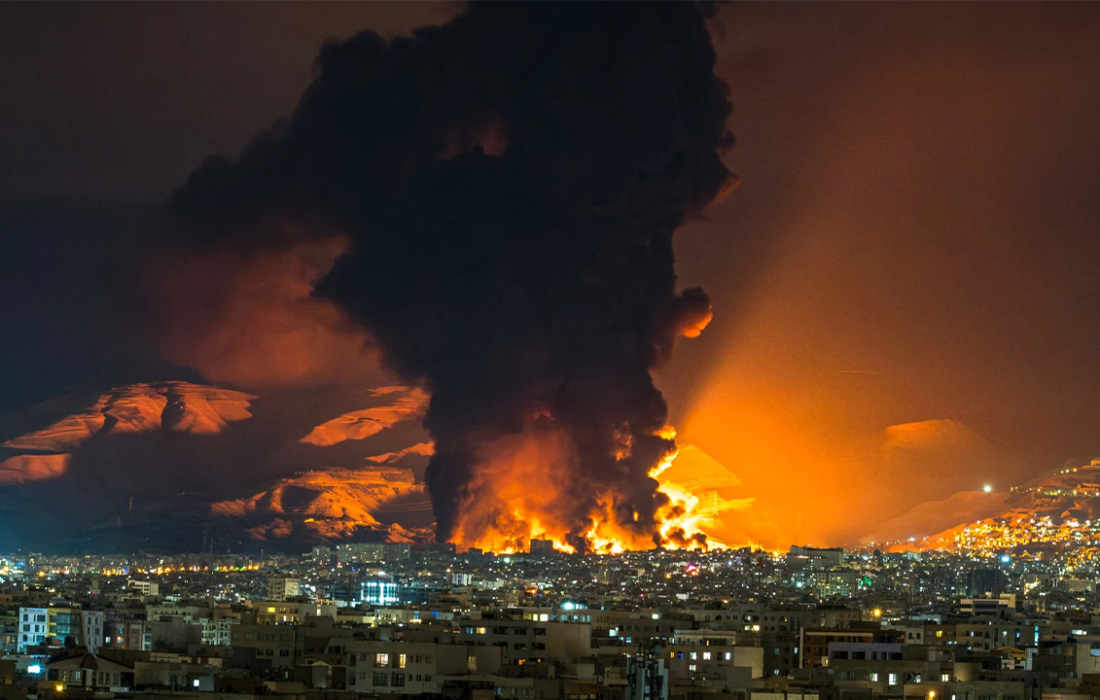
The ongoing conflict with Iran has effectively shut down the Strait of Hormuz since late February, disrupting the most critical oil transit route in the world. The waterway typically carries roughly a fifth of global oil flows, and its closure has triggered what energy agencies describe as one of the largest supply disruptions in market history.
As a result, key Gulf producers including Saudi Arabia, the UAE, Kuwait, and Iraq, countries that would normally drive any increase in output, have been unable to scale production or exports meaningfully.
Even where production is possible, moving the oil remains the core issue.
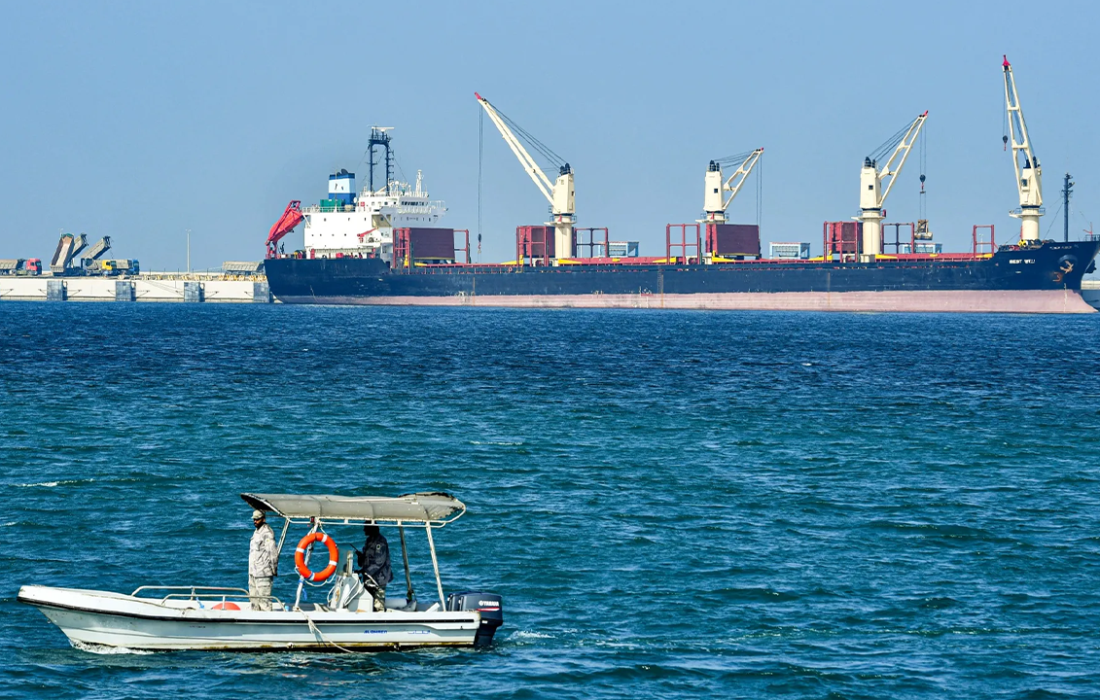
Saudi Arabia has redirected some shipments through Red Sea infrastructure, while the UAE has increased exports from Fujairah to bypass Hormuz. These adjustments have helped stabilize parts of the market, but they cannot fully replace the volumes that typically pass through the strait.
The scale of disruption is significant. Around 10 million barrels per day, roughly 10% of global supply, has been curtailed due to the conflict and its impact on infrastructure and logistics.
In that context, the planned OPEC+ increase represents a fraction of the lost supply. Analysts and industry sources describe the move as largely symbolic, signaling readiness to restore output once conditions allow rather than adding immediate barrels to the market.
That timing depends almost entirely on Hormuz.
The Ripple
The impact extends well beyond oil producers.
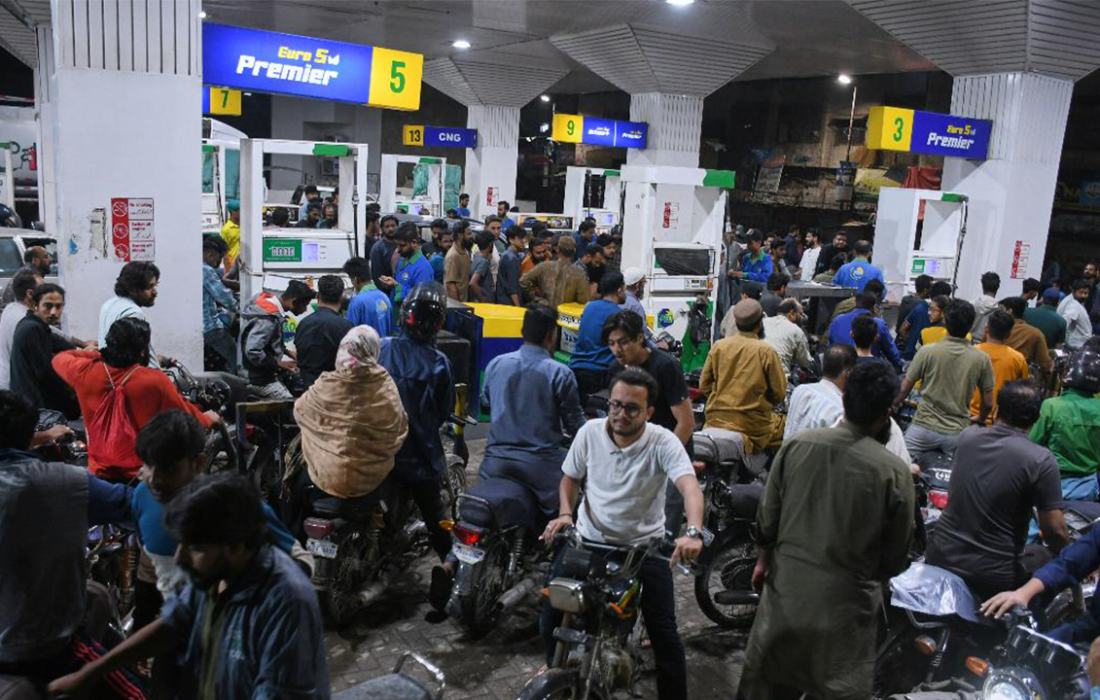
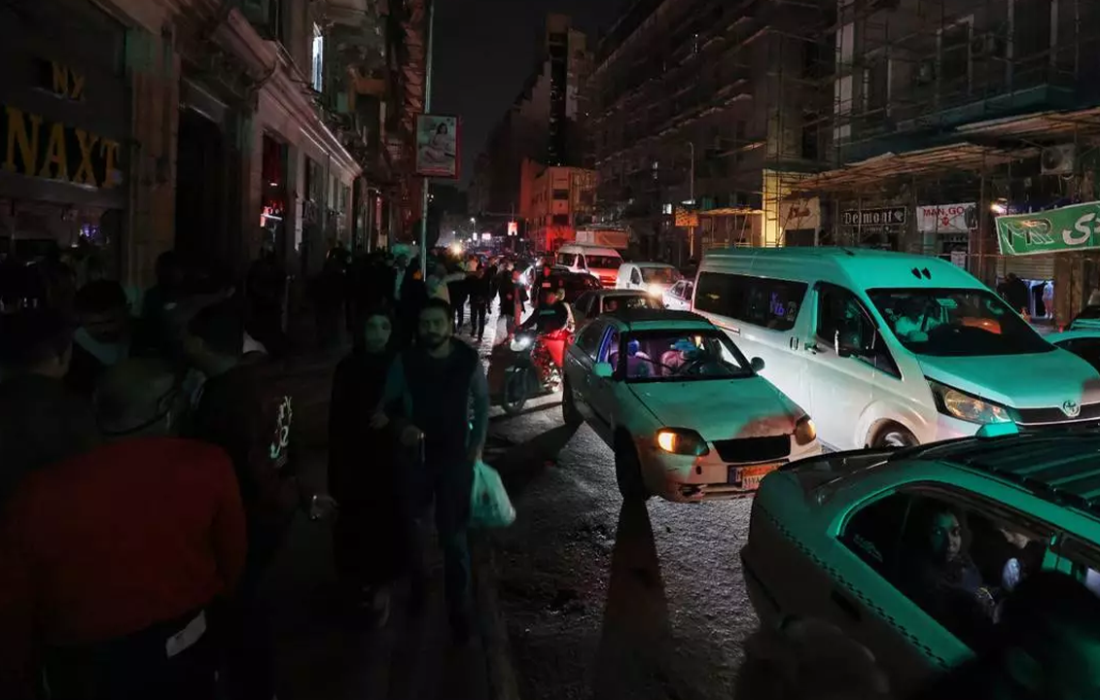
Higher oil prices, approaching USD 120 per barrel at recent peaks, are feeding directly into transport costs, inflation, and government spending decisions worldwide. For import-dependent economies, this is already translating into pressure on fuel subsidies and fiscal balances.
At the same time, energy infrastructure itself has become a central point of vulnerability. Attacks on production facilities, export terminals, and shipping routes are not only disrupting current supply but also extending recovery timelines. Even if the conflict de-escalates, restoring full capacity will take months, not weeks.
This is also reshaping trade flows. Alternative routes and ports are gaining importance, but they are being tested at scale in real time, revealing both their potential and their limits.
What to Watch
The next move in oil markets will not come from OPEC+ meetings. It will come from the Strait of Hormuz.
If the waterway reopens and security stabilizes, the group aims to quickly translate its planned increases into real supply. That would ease pressure on prices and normalize flows faster than expected.
If disruptions persist, production policy becomes secondary. The market will continue to price risk, not capacity.
Either way, this moment is redefining how energy risk is understood in the region. Not as a question of reserves, but as a question of access.
If you see something out of place or would like to contribute to this story, check out our Ethics and Policy section.