- OpenAI will test ads in ChatGPT for free and Go users in the U.S. to increase revenue ahead of its IPO.
- Users on premium plans won’t see ads, and OpenAI says ads won’t affect AI responses or share conversations.
- Elon Musk has filed a USD 134B lawsuit claiming early contributions to OpenAI, and Microsoft entitle him to profits.
OpenAI
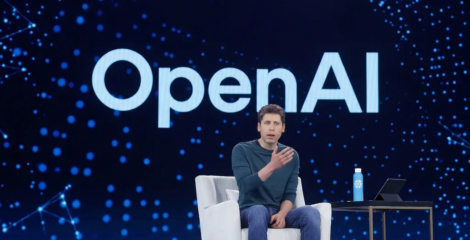
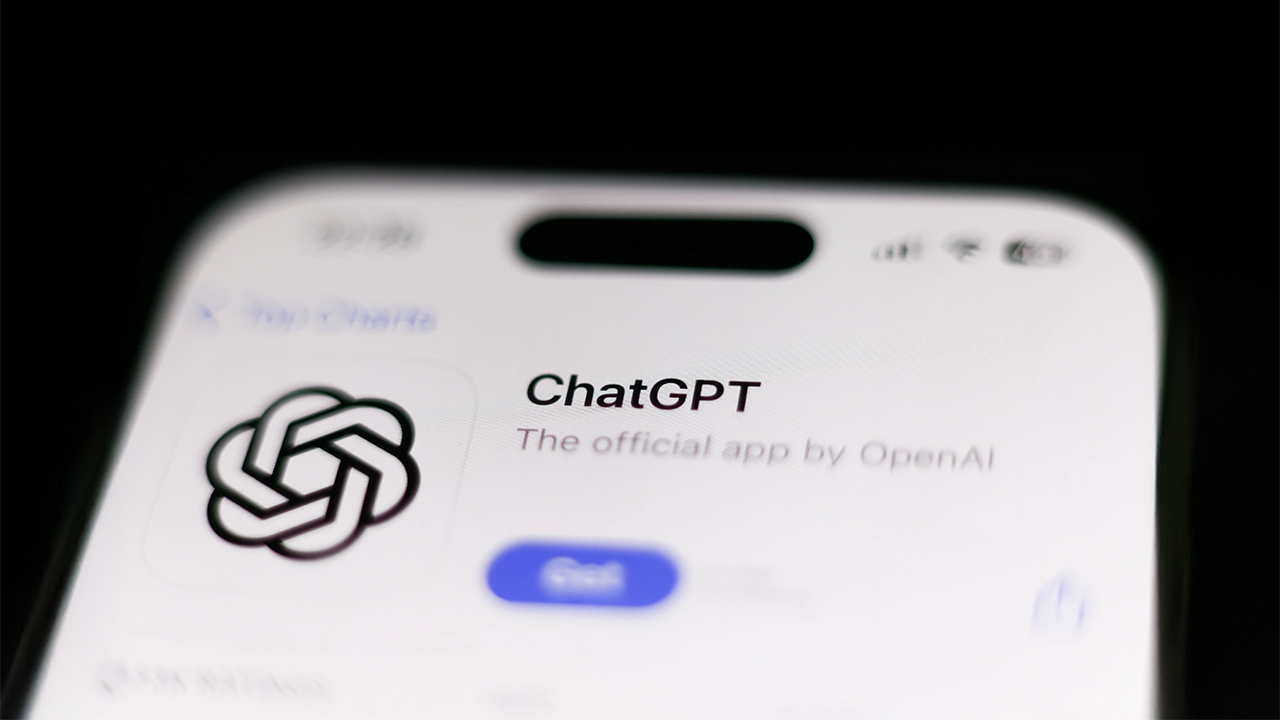
OpenAI is taking a major step toward monetizing ChatGPT, its widely used AI chatbot, by testing ads for free and Go plan users in the U.S. This is a key step as it prepares for a widely anticipated initial public offering. The ads are expected to appear at the bottom of answers when relevant, without affecting the AI’s output.
The move comes as OpenAI faces high operational costs, including spending on AI infrastructure, data centers, and global expansion. Ads are seen as a way to generate revenue from the platform’s 800 million weekly active users, most of whom use the free version.
OpenAI clarified that users on premium tiers such as Plus, Pro, Business, and Enterprise will not see ads. The company also states that no conversations will be shared with marketers, and sensitive topics like health or politics will remain ad-free.
While the new ad model could unlock significant revenue, analysts warn it risks alienating some users. For instance, competitors like Google’s Gemini or Anthropic’s Claude could attract users if ads feel intrusive. On the other hand, OpenAI’s ad rollout could pressure rivals to clarify their own “ad-free” positioning.
The ads will be tested in the coming weeks, with sponsored products or services displayed based on the conversation context.
Lawsuit
Adding to the company’s challenges, Elon Musk filed a lawsuit claiming he is owed up to USD 134 billion for his early funding, recruitment, and influence at OpenAI. Musk left the company in 2018 and now runs xAI, which competes with ChatGPT. In response, OpenAI called the lawsuit baseless and part of a harassment campaign. The trial is scheduled for April in Oakland, California.
OpenAI’s move toward advertising marks a shift in strategy, balancing revenue growth with user trust, while navigating legal and competitive pressures.
If you see something out of place or would like to contribute to this story, check out our Ethics and Policy section.