The Pakistani government is lowering petrol prices and directly supporting transport operators as rising oil prices begin to filter through the economy.
Why You Should Care
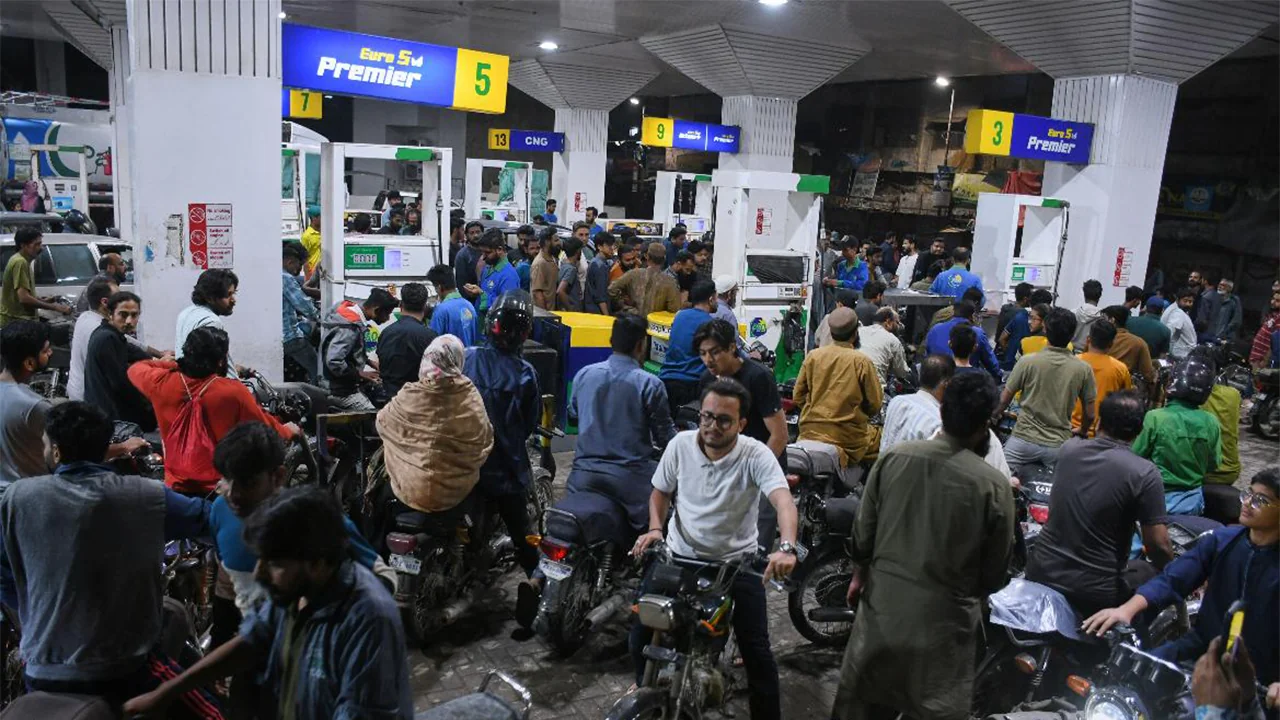
Pakistan’s Prime Minister Shehbaz Sharif has cut petrol prices by 80 rupees per liter, bringing the price down to PKR 378 from PKR 458. The reduced price will remain fixed for the next month.
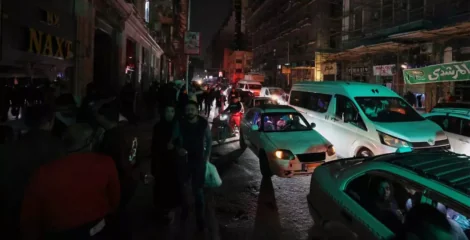
The policy is concentrated on mobility. Motorcycle riders, freight vehicles, and public buses, the segments that move both labor and goods, are being directly supported. Transport operators will receive a subsidy of PKR 100 per liter, alongside fixed monthly payments:
- 70,000 rupees for small trucks
- 80,000 rupees for large trucks
- 100,000 rupees for passenger buses
This is where cost transmission typically begins. Fuel prices feed into transport. Transport feeds into the price of goods, food, and daily movement. Changes at this layer tend to move across the rest of the economy. The timing aligns with rising global oil prices, which Sharif linked to instability in the Gulf. For import-dependent economies, energy costs pass through quickly.
The measures extend beyond fuel pricing:
- Economy-class railway ticket prices will remain unchanged
- Federal cabinet members will forgo their salaries for six months
These steps redistribute part of the cost internally while maintaining price stability in key services.
The Ripple
The effects extend across multiple layers of the economy.
Lower transport costs can ease pressure on logistics and supply chains, particularly for goods distribution. For agriculture, fuel remains a direct input cost. For urban workers, transport pricing shapes daily affordability.
At the same time, the fiscal side expands.Subsidies and direct transfers increase government spending. In economies already managing external pressures, this adds another layer to budget balancing decisions.
What to Watch
Whether this approach remains temporary or extends further.
If global oil prices remain elevated, the pressure will persist across fuel pricing, transport costs, and public spending. More broadly, this reflects a pattern seen across emerging markets. When external cost shocks hit, governments tend to respond at key transmission points in the economy, energy, transport, and food.
How long those interventions last, and how they are funded, becomes the next phase of the story.
If you see something out of place or would like to contribute to this story, check out our Ethics and Policy section.