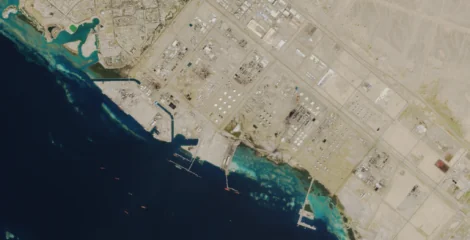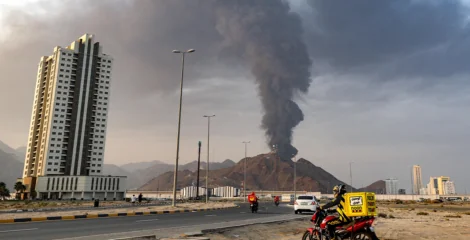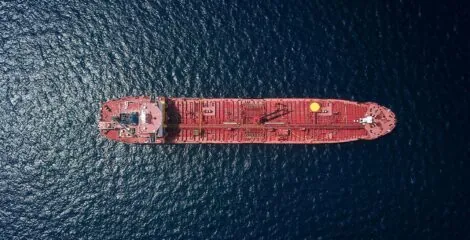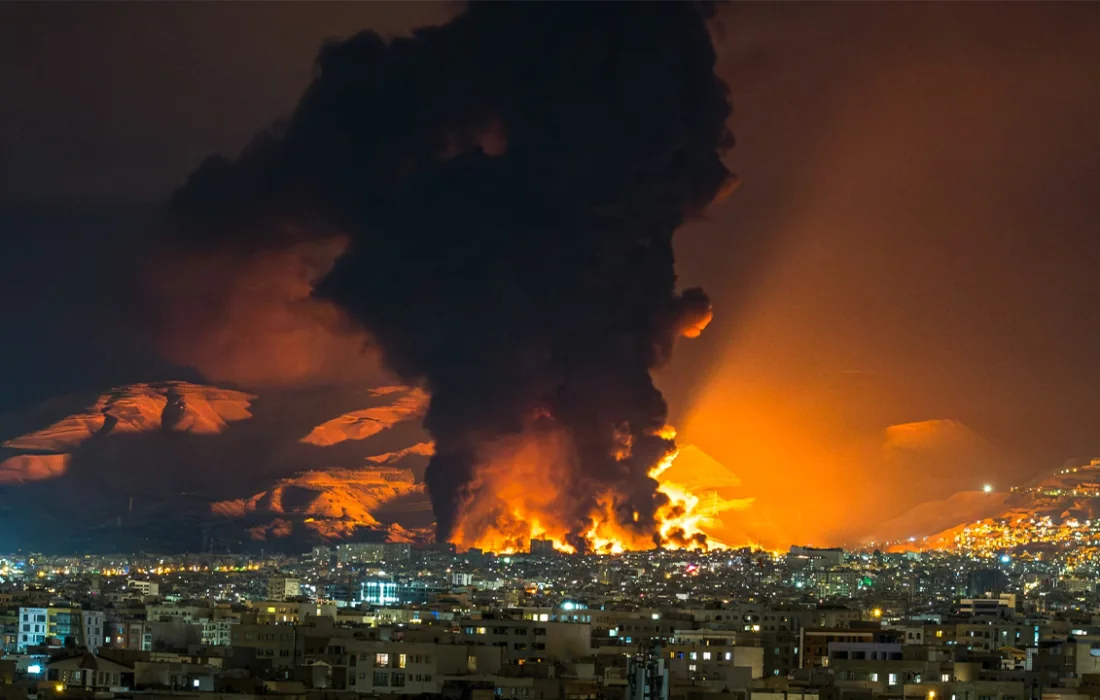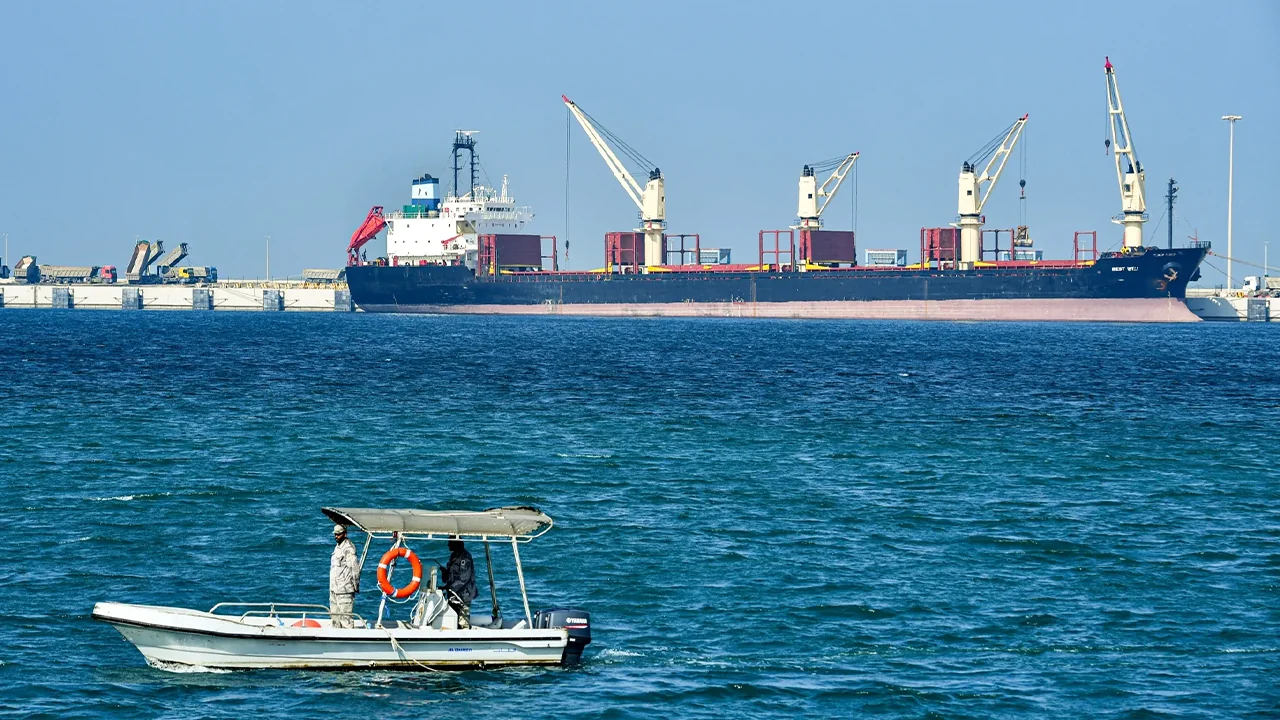
Limited access through the Strait of Hormuz forced Saudi exports to reroute, reducing overall volumes.
Saudi Arabia’s oil exports were effectively cut in half in March after restricted access through the Strait of Hormuz disrupted tanker movements, forcing a rapid shift in how crude leaves the kingdom.
Why You Should Care
Saudi Arabia is one of the world’s most critical oil suppliers, accounting for roughly one in every six barrels transported globally. When its export routes are disrupted, the impact is not just regional, it reshapes how oil flows across global markets.
Exports averaged 3.33 million barrels per day in March, down from around 6.6 million barrels per day in the preceding months. The drop reflects a sharp break from a relatively stable baseline that held through December, January, and February.
The disruption stems from constrained access through the Strait of Hormuz, a key chokepoint for Gulf energy exports. As tanker traffic slowed, around 55 million barrels of Saudi crude remained stranded in the Persian Gulf, unable to reach international markets.
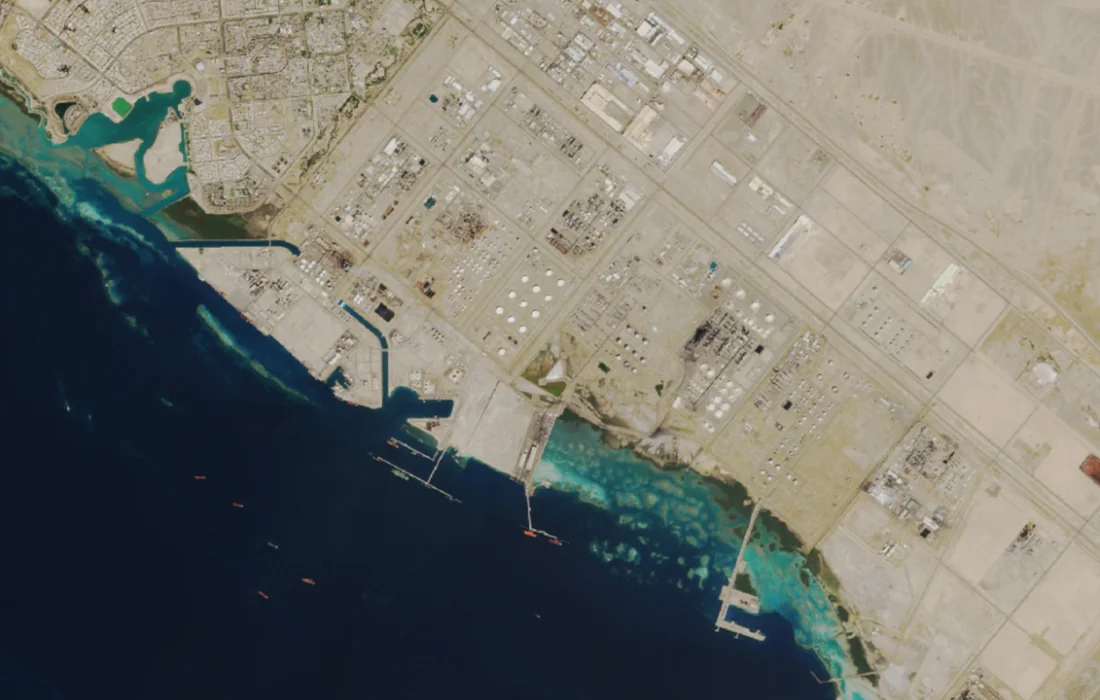
Saudi Arabia moved quickly to contain the impact. Crude flows were redirected westward through the kingdom’s East–West pipeline, which can transport up to 7 million barrels per day from eastern oil fields to Red Sea export terminals.
By late March, shipments from Yanbu on the Red Sea were approaching 5 million barrels per day, supported by a buildup of tankers repositioned to the west coast. Additional volumes were supplied from storage sites in Egypt and Okinawa, helping maintain deliveries to key customers in Asia, Europe, and North America.
The Ripple
The impact extends well beyond Saudi export volumes. Even limited disruption at the Strait of Hormuz, which carries roughly 20% of global oil and LNG flows, immediately feeds into global pricing, inflation expectations, and market volatility.
Oil markets are the first to react. Prices rise not just on actual supply loss, but on the risk of disruption, with analysts warning that prolonged constraints could push crude toward much over USD 100 per barrel, adding up to 0.6 — 0.7% to global inflation.
The effects quickly spread into trade and logistics. Shipping routes are being rerouted, insurers are raising war-risk premiums, and some coverage is being withdrawn altogether, increasing the cost of moving goods across key corridors.
At the same time, Saudi Arabia’s ability to redirect through its East–West pipeline is helping stabilize global supply, preventing sharper price spikes even as Hormuz remains constrained.
The result is not a supply collapse, but a system under pressure, where energy, shipping, inflation, and investor sentiment are all moving in response to the same chokepoint.
What To Watch
The key variable now is not just whether flows recover, but how long alternative routes can sustain current volumes. The longer Hormuz remains constrained, the more pressure shifts onto pipeline capacity, Red Sea logistics, and global storage networks.
The disruption did not stop Saudi oil from moving. It changed where, and how, it moves next.
If restrictions persist, pressure will shift to secondary chokepoints like the Red Sea, where rising regional tensions could introduce new risks to shipping routes. At the same time, markets will be watching whether oil prices stabilize or continue climbing, as even limited disruptions have already begun feeding into inflation expectations.
The next phase is not just about disruption, but about whether the system can keep adapting without breaking under sustained strain.
If you see something out of place or would like to contribute to this story, check out our Ethics and Policy section.