The fund is targeting 70% of Saudi Arabia’s renewable energy goals by 2030 while expanding local manufacturing, energy efficiency, and waste management infrastructure.
Saudi Arabia’s Public Investment Fund (PIF) has invested more than USD 17 billion in renewable energy and related industries over the past five years.
The spending forms part of a broader effort to develop 70% of the Kingdom’s renewable energy targets by 2030. It also seeks to support Saudi Arabia’s transition toward a more diversified energy mix.
Why You Should Care
Saudi Arabia’s energy transition is no longer centered solely on building renewable power plants. The scale of PIF’s investment highlights how the Kingdom is using clean energy as a catalyst for industrial development, supply chain localization, and private sector growth.
As demand for electricity rises from emerging sectors such as artificial intelligence and advanced manufacturing, expanding renewable capacity is becoming an increasingly important part of the country’s long-term economic strategy.
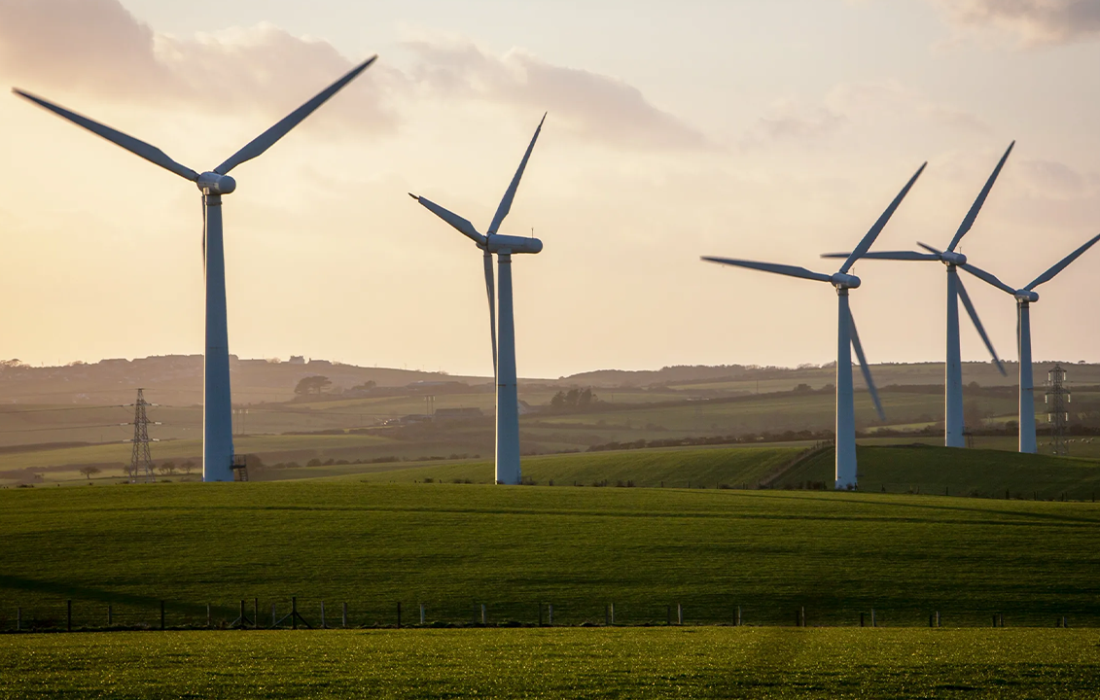
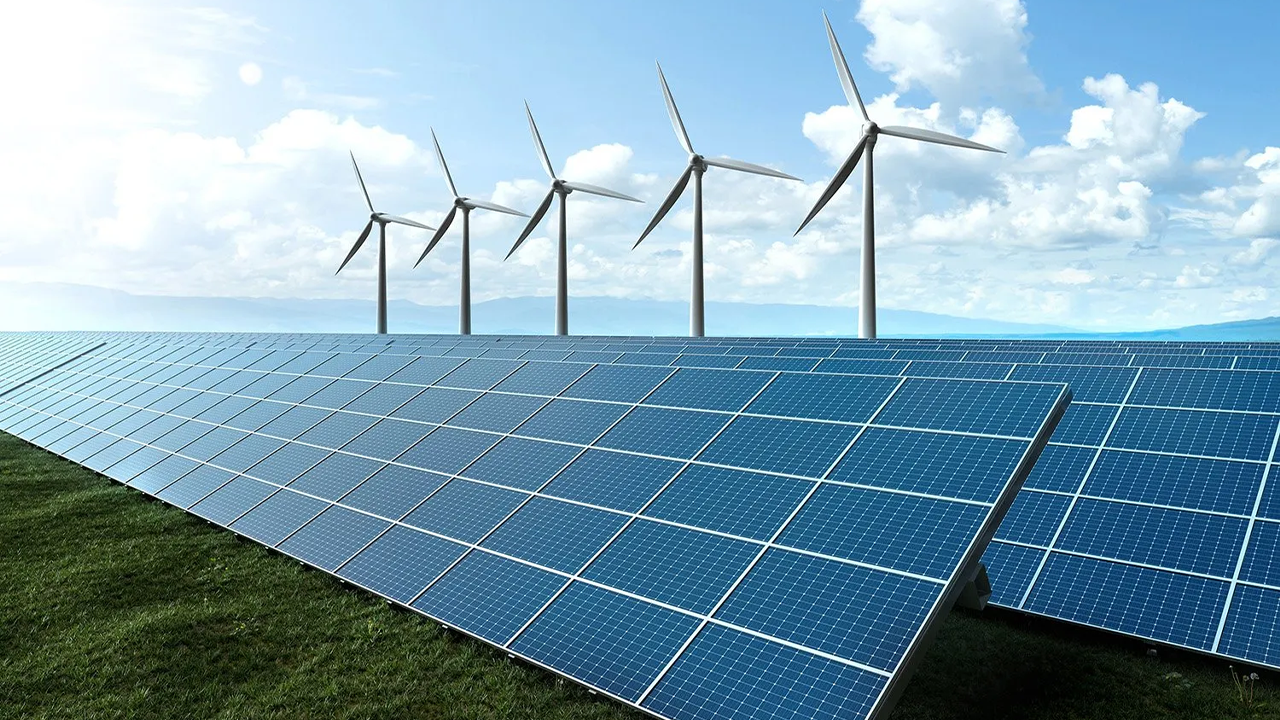
According to Asharq Business, PIF’s renewable energy portfolio is being developed through a consortium that includes ACWA Power, Badeel, and SAPCO. Together, the group is overseeing projects with a combined capacity of 29.3 GW, including 13 solar photovoltaic projects and two wind farms. Four solar facilities are already operational, while several additional solar and wind projects remain under construction.
The fund ultimately aims to help develop 59 GW of renewable energy capacity, supporting Saudi Arabia’s target of sourcing 50% of its energy mix from renewables by 2030.
Beyond power generation, PIF is also investing in domestic manufacturing capabilities. Through Renewable Energy Localization Company, it is working to establish local production of solar panels, solar components, and wind turbine equipment. Agreements signed with international partners in 2024 are intended to strengthen local supply chains and expand Saudi Arabia’s role in the global renewable energy value chain.
The fund’s clean energy strategy also extends to efficiency and sustainability initiatives. Tarshid, a wholly owned PIF company, has retrofitted more than 42,000 government buildings and upgraded millions of streetlights, generating significant energy savings while reducing carbon emissions.
The Ripple
The investment push could create opportunities across multiple sectors beyond renewable energy itself. Increased local manufacturing demand is expected to support industries such as steel, cement, electronics, and engineering services, while the expansion of renewable infrastructure may open new avenues for private sector participation throughout the supply chain.
Meanwhile, PIF’s waste management investments are helping build a circular economy ecosystem through recycling, hazardous waste treatment, and marine waste management projects, broadening the economic impact of the Kingdom’s sustainability agenda.
What to Watch
The next phase will likely focus on execution and localization. As more renewable projects move into operation and manufacturing facilities come online, attention will shift toward how quickly Saudi Arabia can expand domestic production of solar and wind components while meeting its broader goal of generating half of its energy from renewable sources by the end of the decade.
If you see something out of place or would like to contribute to this story, check out our Ethics and Policy section.