The Financial Times is reporting that Gulf states have begun discussing pulling back from their financial commitments to the US, because a war they didn’t start is costing them billions. The financial logic is straightforward. The implications are not.
Eight days into the US-Israeli military campaign against Iran, something unexpected is happening: the countries taking the most damage aren’t Iran. They’re America’s own allies in the Gulf.
Qatar’s main gas facility was struck and shut down. One of Saudi Arabia’s biggest oil refineries took a drone hit. The UAE has intercepted over 1,000 drones and nearly 200 ballistic missiles. Bahrain’s hotels are burning. Seventy percent of flights across the Gulf have been cancelled. And the Strait of Hormuz, the narrow waterway through which roughly one in five barrels of oil in the world passes every day, has seen traffic collapse by 80 percent.
None of these countries started this war. All of them are hosting the US military bases from which it is being conducted.
Why You Should Care
The Financial Times is reporting, citing anonymous Gulf officials, that Saudi Arabia, the UAE, Kuwait, and Qatar have begun internal discussions about pulling back from US contracts and reviewing their future investment commitments. No government has said this publicly yet, but the financial logic behind it is straightforward.
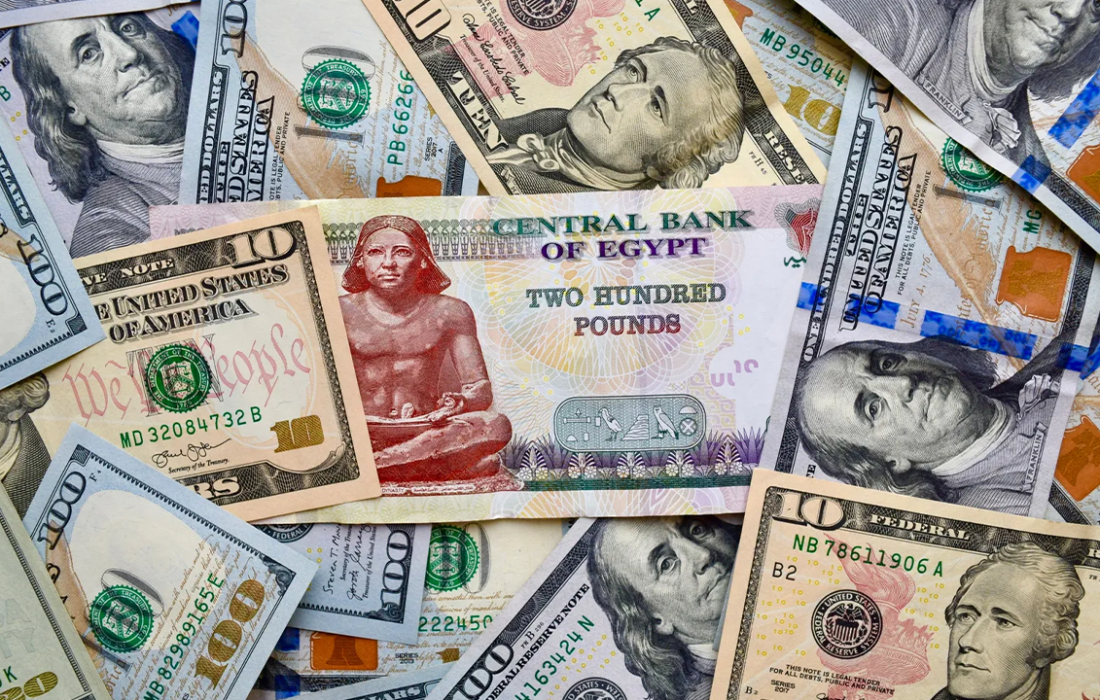
Think of it this way: the Gulf states have been some of America’s biggest financial backers. Together, they hold somewhere between $3 and $4 trillion in US-linked investments, everything from US government bonds to infrastructure deals to sovereign wealth fund holdings. The UAE alone recently pledged $1.4 trillion in US investments over the next decade.
These aren’t just goodwill gestures. They are the financial backbone of the entire US-Gulf relationship, part of what makes America’s military presence in the region viable.
Now those same countries are absorbing billions in economic damage from a war they advised against starting. The FT’s sources say they are reviewing whether they can legally exit existing contracts under force majeure, a legal clause that allows a party to walk away from a signed agreement when circumstances beyond their control make it impossible to fulfil. Think of it as the legal equivalent of an act of God clause in an insurance policy. War damage to your economy, in theory, qualifies.
That distinction matters more than it might seem. Reviewing future investment pledges is a diplomatic signal that tells Washington the relationship is under strain. Invoking force majeure on contracts that are already signed and active is a legal act with immediate financial consequences. One is a warning shot. The other is the shot.
The Calculation Being Made
Saudi Arabia is a useful example of the pressure these countries are under. Every country has a price of oil at which its government budget balances revenues cover spending, and the books roughly break even. For Saudi Arabia, that number is approximately $94 per barrel. Below that, the Kingdom is spending more than it earns and borrowing to cover the gap. Saudi Arabia already ran a $32 billion deficit in 2024 and had planned to borrow roughly $58 billion more in 2026.
Now add the Hormuz shutdown. With the Strait largely closed, Saudi Arabia cannot physically ship the oil it produces. That means revenues are collapsing even as oil prices rise because higher prices only matter if you can get your product to market. The tankers that would carry Saudi crude cannot transit the Strait, cannot find insurance for the voyage, and cannot find ports willing to accept them without it. The result is the worst of both worlds: higher prices on paper, lower income in practice.
That is not a sustainable position. And the Gulf states, collectively, are doing the maths on how long they can absorb it.
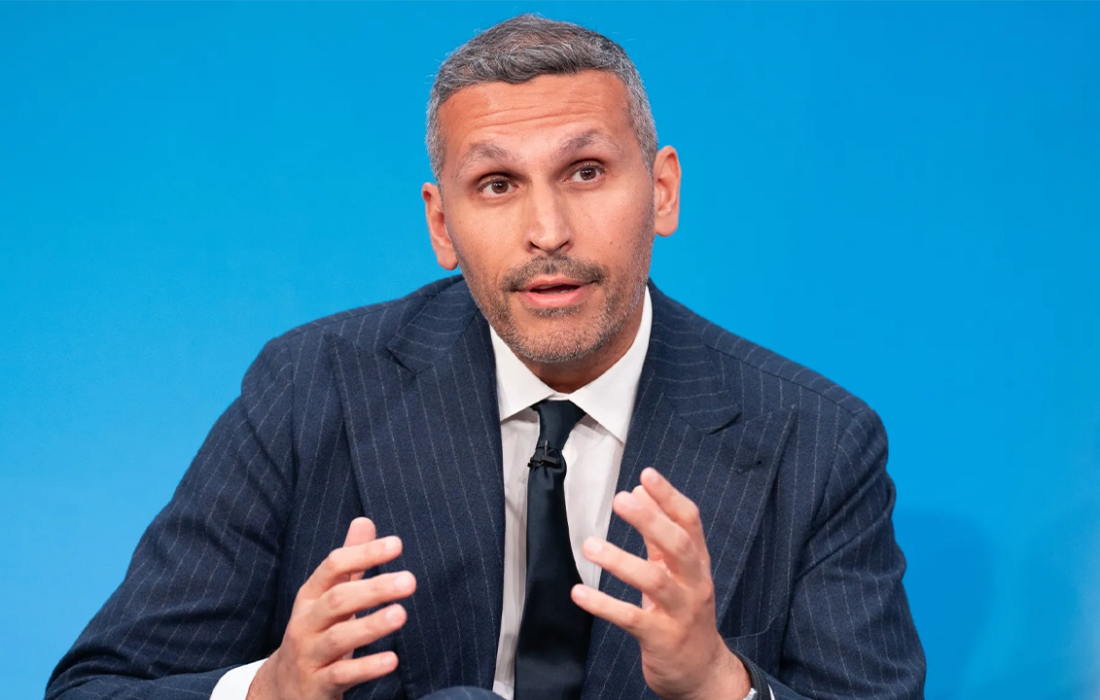
One of the UAE’s most prominent businessmen, Khalaf al-Habtoor, made the frustration public this week, addressing Trump directly on social media: “Who gave you the authority to drag our region into a war with Iran? Did you calculate the collateral damage before pulling the trigger?”
When figures of his standing say publicly what officials are saying privately, the gap between diplomatic language and political reality has closed.
The Last Time This Happened
The last time the Gulf made a similar calculation, the weapon was oil. In 1973, Arab states responded to US foreign policy by cutting oil exports, triggering a global energy crisis that reshaped the world economy and caused fuel shortages across the West.
The weapon available today is different: capital. The Gulf states don’t need to cut oil supplies to apply pressure. They hold enough US financial exposure bonds, investments, and contracts that even a partial or signalled withdrawal would send a serious message to Washington at a moment when the US is already spending heavily and managing rising inflation.
They don’t need to fire a shot. They need to hold a press conference.
What to Watch
Will any Gulf government say this publicly? The FT story is based on anonymous sources. An on-record statement from any Saudi, UAE, or Qatari official would mark a significant escalation from private frustration to formal political pressure.
Will the ceasefire push go public? Gulf states are privately lobbying for a ceasefire, according to multiple outlets. If that becomes a public demand, the pressure on Washington to end the military campaign intensifies sharply.
Watch the Strait of Hormuz. The clearest daily measure of how bad this is getting is how many ships are actually passing through. As of March 5, major insurance companies have formally withdrawn coverage for ships transiting the Gulf, meaning the closure is no longer just a military risk. It is now a financial and legal reality that will take months, not weeks, to reverse.
The US assumed its Gulf allies would absorb the cost of this war without question. That assumption is now being tested. The invoice has arrived. The payment terms are being discussed.
The FT’s reporting is based on anonymous Gulf officials. No government has made an on-record statement. WAYA will update this article as the situation develops.
If you see something out of place or would like to contribute to this story, check out our Ethics and Policy section.