“If there was ever a moment to accelerate that energy transition, breaking dependencies which have shackled economies, this is the time,” Simon Stiell, UNFCCC Executive Secretary, said in an interview with Reuters.
UNFCCC
Oil is once again the pressure point in geopolitics. As the attacks on Iran continue and the conflict escalates, the disruption to global energy markets once again reveals the risk of relying on fossil fuels.
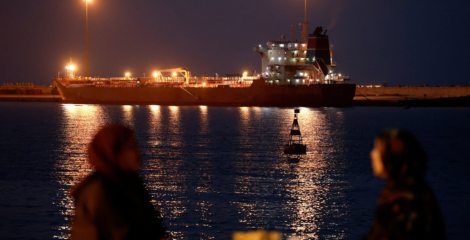
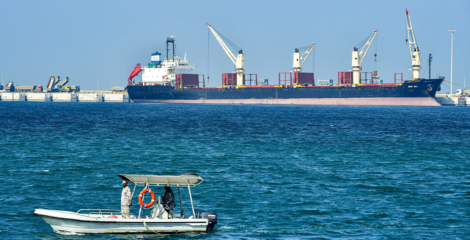
Currently, global energy markets are under pressure, particularly as the Strait of Hormuz, one of the world’s most important oil transit routes, is disrupted. The strait is vital for energy shipments, with around 20% of both global oil and liquefied natural gas (LNG) flowing through it. Each day, roughly 20 million barrels of crude, condensate, and fuels pass through this crucial waterway.
Amid this tension, the UNFCCC Executive Secretary, Simon Stiell, has highlighted that the conflict underscores the risks of fossil fuel dependence. He identifies the conflict as a wake-up call to shift away from fossil fuels and instead rely on renewable energy.
“Sunlight doesn’t depend on narrow and vulnerable shipping straits, wind blows without massive taxpayer-funded naval escorts [and] renewable energy allows countries to insulate themselves from global turmoil and to side-step might-is-right politics,”
Simon Stiell, the Executive Secretary of the UNFCCC
Fossil Fuel Dependence
At the 2026 Green Growth Summit in Brussels, Stiell stressed that history shows fossil fuel crises are bound to recur. He added that dependence on fossil fuels leaves economies, household budgets, and business bottom lines “at the mercy of geopolitical shocks and price volatility in a chaotic world.”
He further emphasizes that the conflict triggering price spikes demonstrated how heavy reliance on imported oil and gas threatens national security and the cost of living.
In the long term, the global climate change strategy should be to replace fossil fuels with locally-produced renewable and nuclear energy. This will secure energy security, and cut countries free from volatile fuel prices.
Ultimately the shift to renewable energy means cost-effective power, job generation in clean-technology industries and reliable energy sources.
Stiell points out that there are immense opportunities in renewable energy investment and innovation. In 2025, renewables overtook coal as the world’s top electricity source, with more than USD 2 trillion in clean energy investments.
Transitioning to renewables is not just a climate imperative. It is the path to energy independence, economic stability, and resilience against global crises.
If you see something out of place or would like to contribute to this story, check out our Ethics and Policy section.