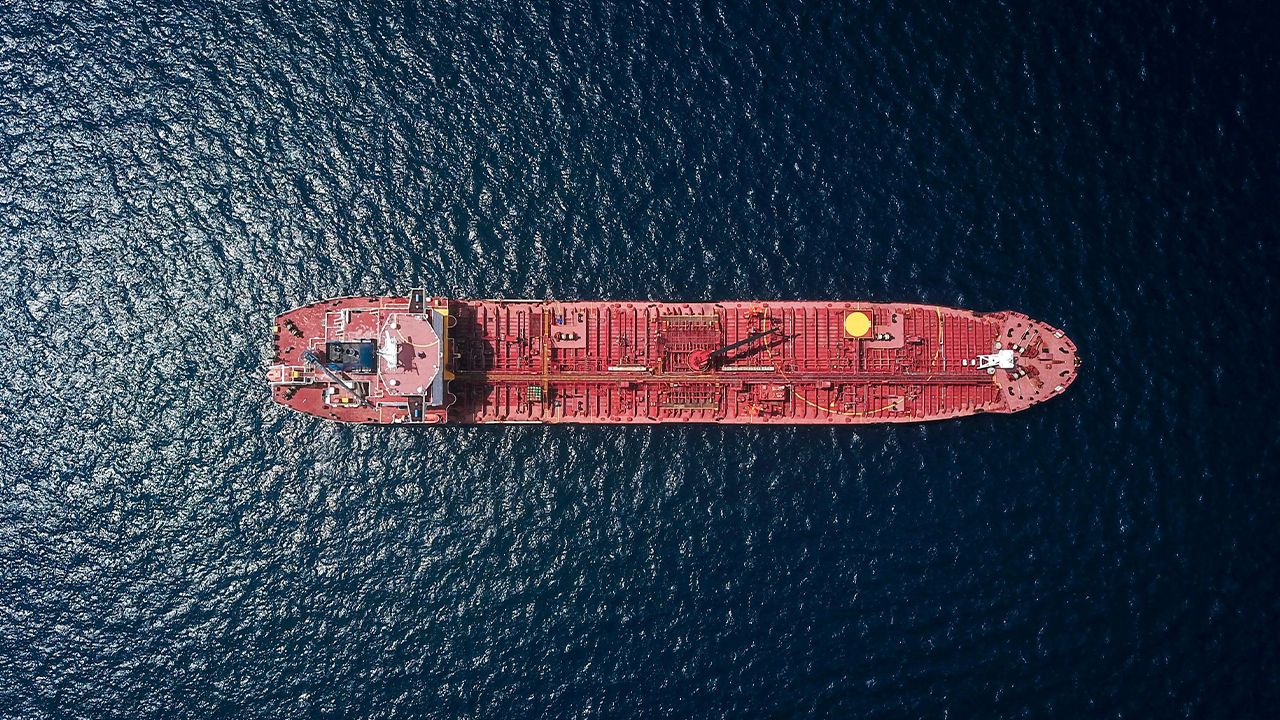
The Strait of Hormuz is effectively closed. Saudi Arabia, the UAE, and Egypt are racing to reroute global oil supply through pipelines and Red Sea ports. The infrastructure exists. The question is whether it can move fast enough, and safely enough, to prevent a deeper crisis.
The global energy system is attempting something it has never done at this scale before: reroute the flow of Gulf oil in real time, while the region’s waterways come under active attack.
Why You Should Care
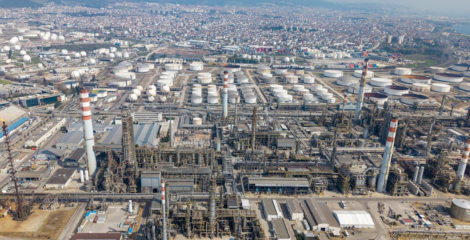
One-fifth of the global oil supply flowed through the Strait of Hormuz before the Iran conflict began. That route is now effectively closed. For every day it stays closed, the pressure on alternative routes intensifies. Those alternatives have hard limits that are becoming clearer by the hour.
For the Gulf states, this is an infrastructure stress test with enormous economic consequences. For Egypt, it is an unexpected strategic moment. For anyone watching oil prices, inflation, or regional stability, the next few weeks will determine how much damage a prolonged Hormuz closure can actually inflict on the global economy.
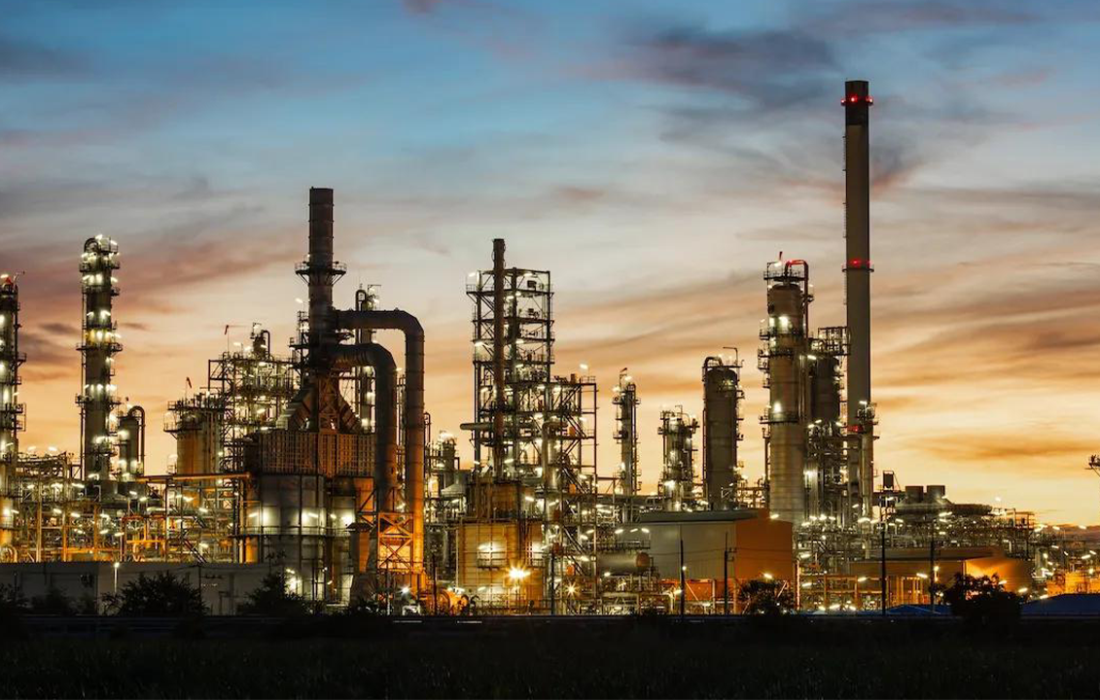
Saudi Arabia is moving faster than anyone. The kingdom exported roughly 6 million barrels per day through Hormuz before the war. It is now racing to redirect that flow through its east-west pipeline to the Red Sea port of Yanbu. Saudi Aramco CEO Amin Nasser said the pipeline should reach its full daily capacity of 7 million barrels within days. Yanbu loadings averaged 2.2 million barrels per day in the first nine days of March, up from 1.1 million in February. At least 30 supertankers are heading to the port. Aramco has asked Asian buyers to nominate how much crude they want loaded from Yanbu in April, treating the Red Sea route as the default rather than a contingency.
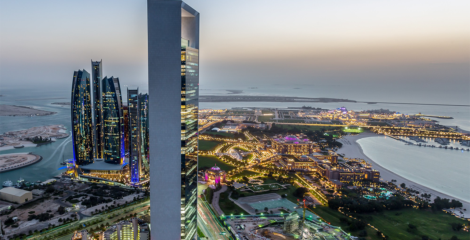
The UAE is running a parallel operation. Abu Dhabi is pushing more crude through the Habshan-Fujairah pipeline to its eastern port on the Gulf of Oman, bypassing the Strait entirely. Exports from Fujairah have surged to 1.6 million barrels per day in March, up from a 1.1 million barrel average in recent months.
Egypt is positioning SUMED as the third pillar of the rerouting effort. The pipeline runs from Ain Sokhna on the Gulf of Suez to Sidi Kerir on the Mediterranean, with a capacity of 2.8 million barrels per day and storage tanks holding 40 million barrels. Egypt’s petroleum minister confirmed this week that the country has the technical and logistical capacity to support Gulf oil flows through the line and is coordinating actively with Gulf states. Saudi Aramco signed storage agreements with SUMED as recently as 2019.
The Ripple
The rerouting effort is significant. But it is not a solution. It is a partial mitigation, and the gaps are considerable.
Iraq and Kuwait have no Red Sea alternative. They have been forced to cut production because their Gulf storage facilities are full and they have nowhere to send their crude. Global oil output has fallen by roughly 6% since the conflict began. The IEA has coordinated a record 400 million barrel release from strategic reserves, larger than any drawdown that followed Russia’s invasion of Ukraine. It has not been enough. Brent crude spiked to $120 on Monday before pulling back. Goldman Sachs has warned that prices could exceed the 2008 peak of $147.50 if Hormuz remains closed through March.
The Red Sea route carries its own dangers. To reach Yanbu from the south, tankers must pass through the Bab al-Mandab Strait, within range of Houthi forces and Iranian missiles. Sea drones have already hit two oil tankers since the war began. The first attack killed one crew member 44 nautical miles off Oman on March 1. The second struck a tanker near Iraq’s Khor al-Zubair port days later. Maritime security analysts warn that sea drones can carry more explosives than aerial ones and can immobilize a ship entirely if they strike the right point. Insurers are watching.
Even at full capacity, Saudi Arabia’s Yanbu operation cannot fully replace what Hormuz carried. Yanbu has rarely loaded more than 2.5 million barrels per day. Its theoretical maximum is 4.5 million. The east-west pipeline can move 7 million. The arithmetic only works if every element operates simultaneously at near-perfect efficiency, under active threat.
What to Watch
The Yanbu loading figures for the remainder of March are the most immediate indicator of whether the rerouting is working at the scale needed. If loadings approach 4 million barrels per day, it signals that the infrastructure is holding. If they stall below 3 million, the pressure on prices will intensify.
The second signal is SUMED. Egypt’s willingness to position the pipeline as a regional energy lifeline is a notable diplomatic and commercial move. Whether Gulf crude actually begins flowing through it in volume will determine whether SUMED becomes a genuine fourth artery for global oil supply or remains a theoretical alternative.
The third is the sea drone threat. A successful attack on a supertanker in the Red Sea would not just damage a single vessel. It would send insurance premiums surging, force shipowners to reconsider the route, and remove the only meaningful bypass available to Saudi Arabia at scale. That is the scenario that turns a containable crisis into something significantly worse.
If you see something out of place or would like to contribute to this story, check out our Ethics and Policy section.