Move Signals Shift Toward Production Flexibility as War Disrupts Global Oil Supply
The UAE is stepping away from OPEC at a moment when global oil markets are under pressure.
Why You Should Care
The decision reflects a shift in how the UAE wants to operate in energy markets. Instead of aligning with collective production targets, it is prioritizing flexibility and speed.
For operators, investors, and policymakers, this signals a more independent approach to supply decisions at a time when disruptions are reshaping pricing and demand dynamics.
The United Arab Emirates will leave the Organization of the Petroleum Exporting Countries (OPEC) on May 1, ending more than 60 years of membership in the oil producers’ group.
Bloomberg reports that officials say the decision follows a long internal review and comes at a time when markets are undersupplied. Disruptions linked to the Iran war have reduced exports across the region, tightening global supply.
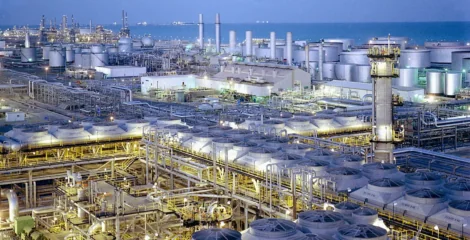
The UAE has invested heavily in expanding its production capacity over the past decade. It is now positioned to use that capacity more freely, without being bound by group quotas. The country remains one of the few producers with meaningful spare capacity, giving it the ability to respond quickly as conditions change.
The UAE has long pushed against OPEC production limits, particularly as it expanded its own capacity. The country has invested heavily in increasing output and is now positioning to deploy that capacity more freely, without being bound by group quotas.
Before the conflict, the UAE was OPEC’s third-largest producer, accounting for roughly 12 percent of total output.
The Ripple
A core producer stepping outside OPEC changes how supply decisions are coordinated. The group has relied on alignment among major members to manage output and stabilize prices.
Outside the group, the UAE gains more flexibility in how and when it increases production. That introduces a new variable into global supply calculations, especially if other producers face constraints.
In the near term, the impact may remain limited. The ongoing conflict has already forced production cuts across several producers, offsetting any immediate increase in output.
What to Watch
The next signal will come from how the UAE uses this flexibility. Production decisions will show whether it prioritizes market share, price stability, or a balance between both.
Capacity expansion plans will also matter. The UAE has set ambitious production targets, and execution will determine how much additional supply reaches the market.
The broader question is how OPEC adapts. Its ability to coordinate output without one of its key producers will shape its role in the market going forward.
This is less about a single exit and more about how control over oil supply is evolving in real time.
If you see something out of place or would like to contribute to this story, check out our Ethics and Policy section.