The developer is scaling from real estate into full-stack city building backed by capital, infrastructure, and technology.
Talaat Mostafa Group (TMG) is moving forward with one of its most ambitious urban developments yet, a USD 27 billion (EGP 1.4T) megacity designed to redefine how cities are built and operated.
Why You Should Care
This project reflects how TMG is increasing its exposure to large-scale, long-cycle developments that extend beyond residential real estate. The model combines housing, commercial activity, and infrastructure into a single integrated system, with technology playing a central role in operations.
The project expects to generate around 55,000 direct jobs and 100,000 indirect jobs, bringing the total to over 155,000 roles. The company also forecasts that the project will contribute the equivalent of 1% to Egypt’s GDP.
It is also expected to attract tens of millions of visitors annually, expanding its role beyond housing into a destination-driven urban economy.
For the market, it signals a continued shift toward more complex, capital-intensive urban projects that rely on sustained demand and execution over time.
This matters because projects at this scale shape where capital flows, where jobs concentrate, and how demand forms over time. For investors, operators, and professionals, it signals where new economic activity is likely to cluster and where long-term opportunities may emerge.
The Details
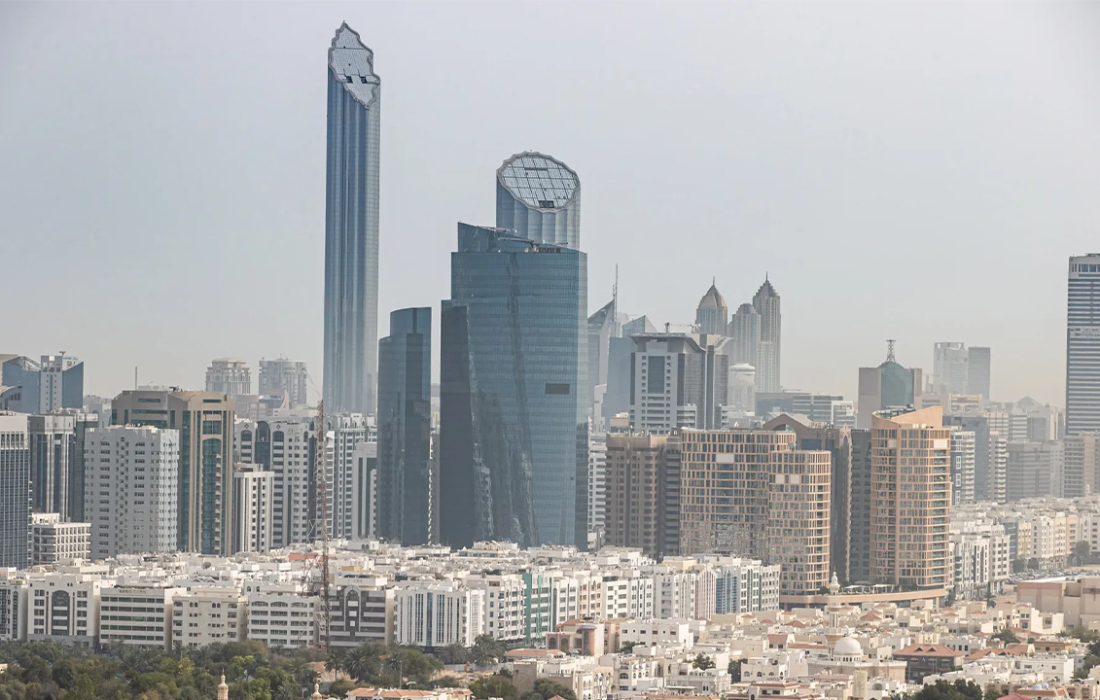
Talaat Moustafa Group (TMG) announced plans for the project, which will span over 2 million square meters in New Cairo. It will include 165 residential, commercial, and business towers. The development’s design intends to operate as a fully integrated, AI-powered city, with a car-free layout. Additionally, an underground logistics network supporting movement and operations.
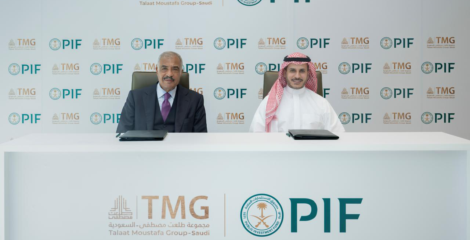
Thus far, the capital put forth for the project stands at USD 1.33 billion (EGP 69B). This is with the participation of major Egyptian financial institutions, including the National Bank of Egypt.
Beyond its economic footprint, the development is framed as a “cognitive city” built on artificial intelligence and adaptive systems. More than 70% of the land is allocated to green and open spaces. Meanwhile, healthcare infrastructure will include partnerships with global providers such as Houston Methodist.
The Ripple
The ripple extends beyond real estate into how developers design and operate large-scale projects. TMG is pushing toward fully integrated developments where residential, commercial, and service layers function as a single system rather than separate phases. For investors, this reinforces the shift toward real estate as a long-term operating asset tied to recurring activity instead of one-time sales.
TMG is also embedding artificial intelligence into core city functions, from infrastructure management to service delivery. This approach aligns with a broader move toward data-driven urban environments. If TMG executes effectively, it could influence how developers across the region approach efficiency, resource allocation, and user experience at scale.
The project will also create around 155,000 direct and indirect jobs. This aims to extend its impact beyond construction into services, operations, and long-term urban employment tied to the city’s lifecycle.
What to Watch
The key signal now is execution. How TMG phases delivery, structures partnerships, and integrates the AI layer into day-to-day operations will shape how the project evolves..
The Spine introduces a more integrated approach to urban development, where real estate, infrastructure, and technology operate as a single system. How this model takes shape in practice will offer a clearer view into whether large-scale developments in the region remain project-based or move toward more continuous, system-driven models.
As the project develops, it may also provide insight into how similar approaches are adopted more broadly. The way TMG structures and operates this city could inform how developers across the region think about scale, integration, and the role of technology in shaping long-term urban environments.
If you see something out of place or would like to contribute to this story, check out our Ethics and Policy section.