The United Arab Emirates is exploring a potential financial backstop with the United States as part of a broader effort to reinforce economic resilience in a shifting regional environment.
According to The Wall Street Journal, Emirati officials have held preliminary discussions with US Treasury and Federal Reserve counterparts about the possibility of a currency swap line that would provide access to US dollars if needed.
Why You Should Care
The discussions reflect a proactive approach to financial planning, where access to dollar liquidity is positioned as a tool for continuity rather than a response to pressure.
The talks, described by officials as precautionary, come as the UAE continues to navigate evolving regional dynamics while maintaining its role as a global financial hub. Rather than reacting to immediate strain, the move reflects early-stage planning to ensure continuity in capital flows, investor confidence, and currency stability.
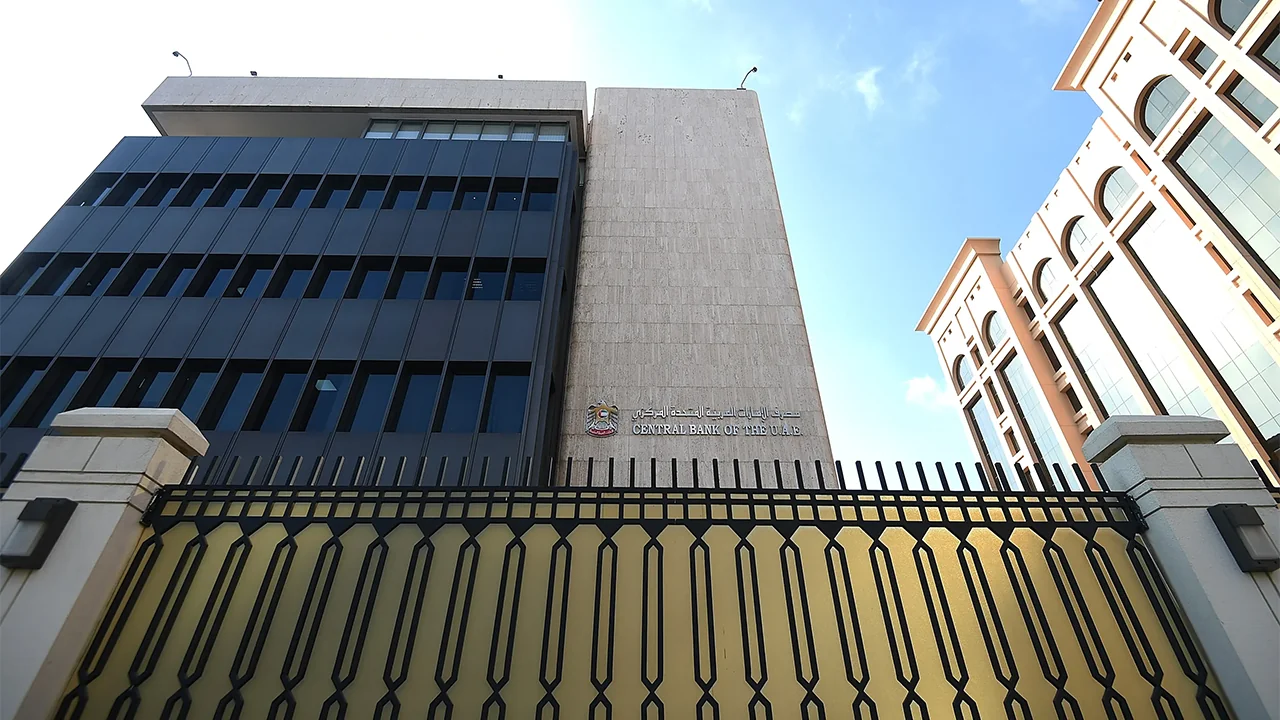
According to WSJ, UAE Central Bank Governor Khaled Mohamed Balama raised the idea of a currency swap line during meetings with Treasury Secretary Scott Bessent and Treasury and Federal Reserve officials in Washington.
A swap line would provide the UAE central bank with access to US dollar liquidity. Furthermore, this liquidity could support currency stability and add to its foreign reserves.
The UAE continues to operate with substantial foreign currency reserves, estimated at around USD 270 billion. At the same time, regional conditions are introducing new variables into financial planning, including shifts in energy flows, trade logistics, and capital movement across markets.
It is important to note that WSJ reports that Emirati officials have not made a formal request for a swap line. Instead, it reports that the discussions are preliminary and precautionary. This positions the mechanism as part of forward-looking planning rather than an immediate need.
The Ripple
The move highlights how Gulf economies are increasingly building layered financial tools designed to operate across different scenarios.
Rather than relying on a single source of stability, countries in the region are expanding optionality through a mix of reserves, regional coordination, and potential global liquidity channels.
It highlights how Gulf economies are actively recalibrating financial architecture to operate with greater flexibility in an increasingly complex global system. Access to dollar liquidity, even as a precaution, reinforces the region’s continued integration with global financial markets.
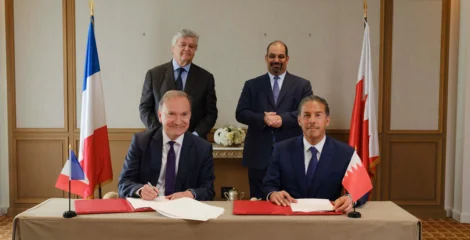
It also signals the importance of maintaining optionality in bilateral swap lines within the region, such as the UAE-Bahrain arrangement, as well as potential global backstops. Bahrain established a roughly USD 5 billion currency swap line with the UAE to support financial stability. This signals a growing role for intra-Gulf coordination alongside global partnerships.
What to Watch
The key signal is not whether a swap line is finalized. It is how financial coordination between the US and Gulf economies evolves from here.
Early-stage engagement suggests a growing alignment around liquidity preparedness, cross-border financial stability, and rapid-response mechanisms in times of uncertainty.
That combination of resilience and proactive planning is likely to define how leading economies in the region navigate the next phase of global market shifts.
If you see something out of place or would like to contribute to this story, check out our Ethics and Policy section.