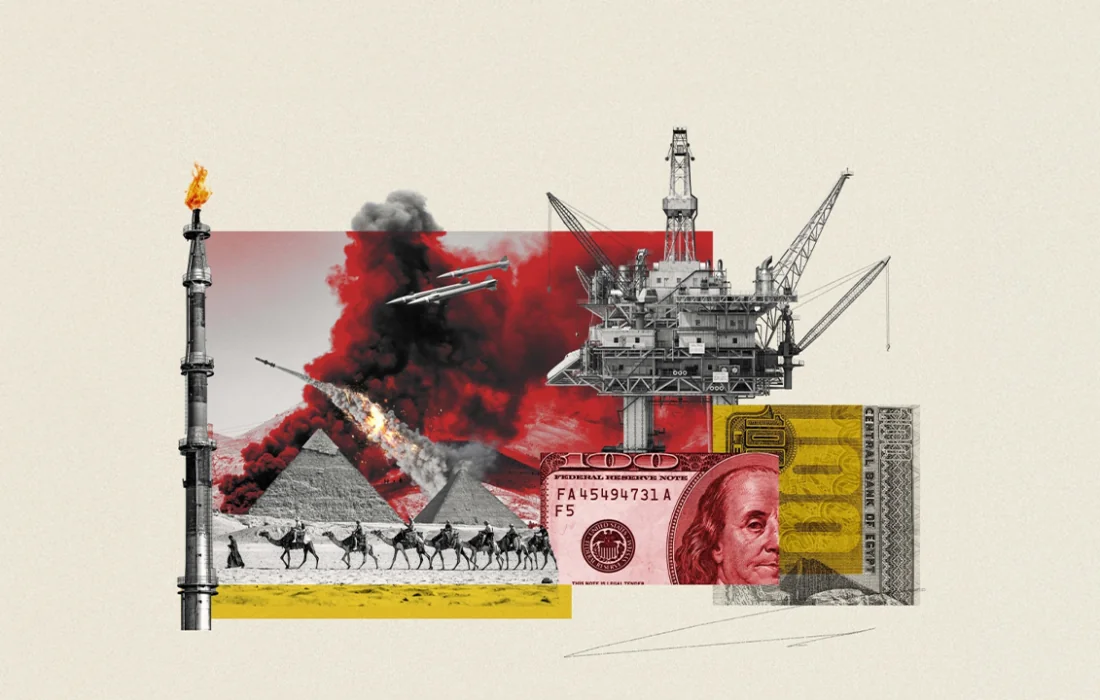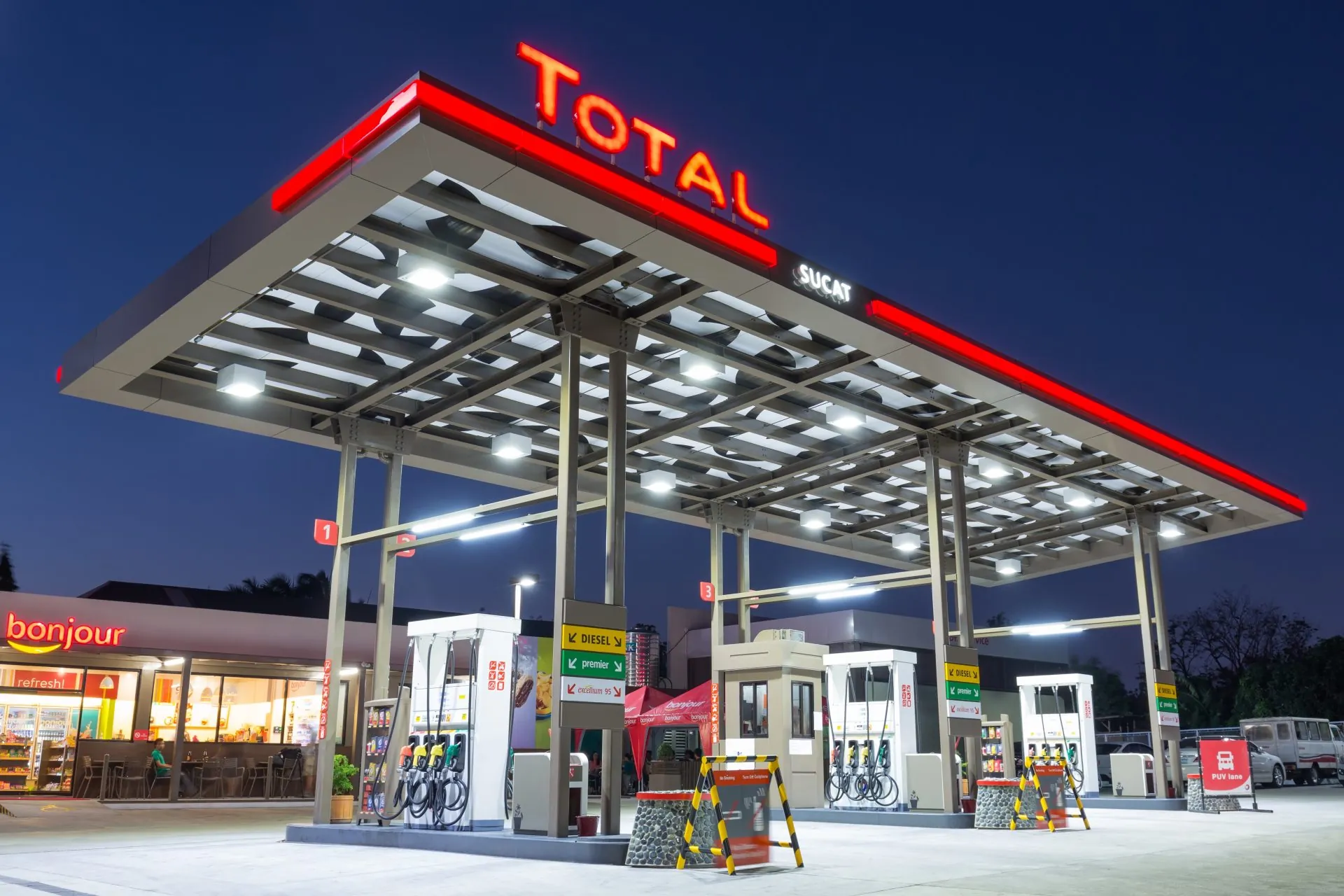
The Iran conflict is now showing up at Egyptian petrol stations. Domestic fuel prices rose by as much as 17% on Tuesday, a direct consequence of the energy turmoil rippling out from the conflict.
Egypt raised prices across every grade of petrol and diesel on Tuesday, effective immediately. The increases range from 14% to 17%, depending on the grade:
- 80 octane petrol: from EGP 17.75 to EGP 20.75 per litre
- 92 octane petrol: from EGP 19.25 to EGP 22.25 per litre
- 95 octane petrol: from EGP 21.00 to EGP 24.00 per litre
- Diesel: from EGP 17.50 to EGP 20.50 per litre
The Ministry of Energy said the decision reflects “the exceptional situation resulting from the geopolitical developments in the Middle East region and their direct effects on global energy markets.” That is a careful way of saying what is plainly true: the Iran conflict has sent global oil prices surging, and Egypt, a net importer of refined fuel products, is absorbing the consequences.
Why You Should Care
Egypt has been walking a fiscal tightrope for years. The country returned to back-to-back financing arrangements with the IMG in 2016, and agreed an expanded $8 billion loan program in March 2024, it’s largest IMF package to date. One of the central conditions of that program is reducing energy subsidies. These subsidies have historically consumed a significant share of the government budget.
Raising fuel prices is not just a response to the current crisis. It is also the government fulfilling a structural commitment to its creditors. The timing, however, is not of Egypt’s choosing. Global oil prices were already elevated before the week’s events. With Brent crude up 24% in a single morning on Monday, the subsidy cost of keeping domestic prices unchanged became impossible to sustain.
Prime Minister Moustafa Madbouly signaled as much as March 3, warning that Egypt might resort to “exceptional measures” if global fuel prices rose significantly because of the war. Tuesday’s announcement is that measure.
What to Watch
The immediate concern is inflation. Egypt has spent the better part of two years trying to bring inflation down from historic highs following the pound’s successive devaluations. A 14-17% increase in fuel prices directly feeds into transport costs and food distribution. This means that the inflation Egypt has been working to suppress could accelerate again, through no domestic policy failure of its own.
The second concern is timing. Egypt is not alone in facing this pressure. Every fuel-importing economy in the region is doing the same calculation. How governments manage the pass-through of global energy costs to domestic consumers in the coming weeks will be one of the clearest indicators of how much economic damage the Iran conflict is capable of generating beyond the immediate theatre of war.
If you see something out of place or would like to contribute to this story, check out our Ethics and Policy section.