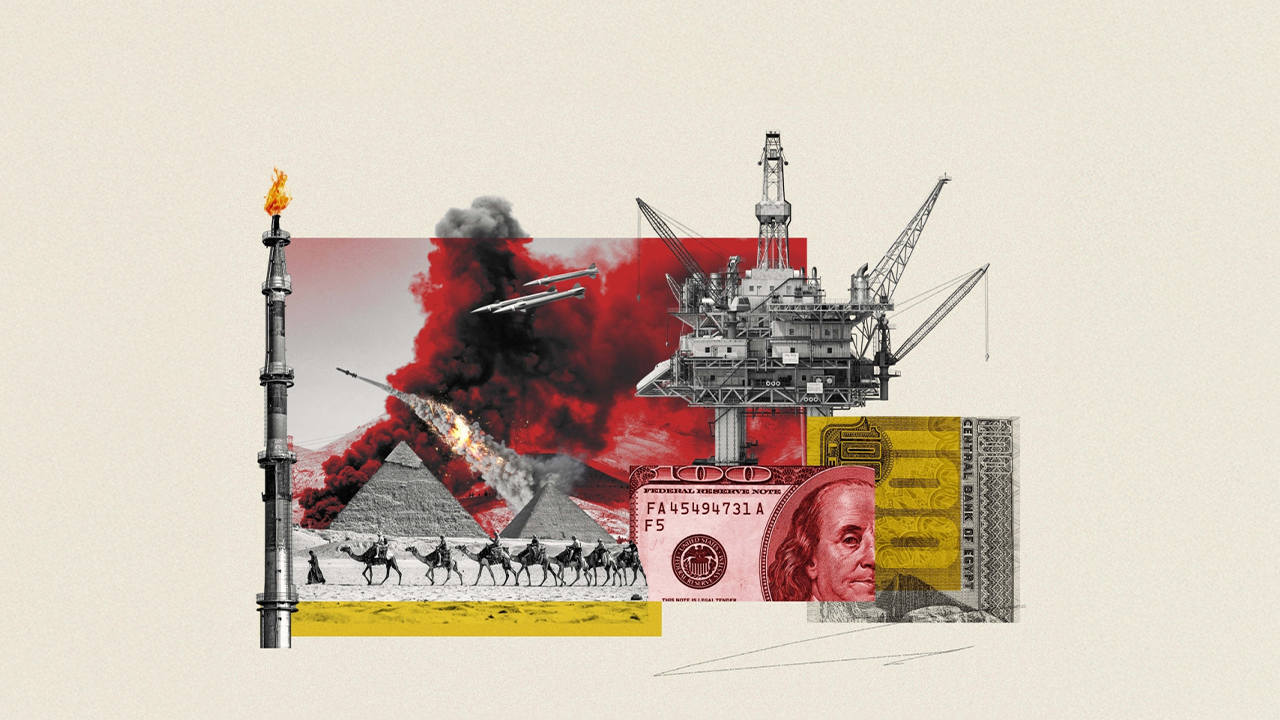
The ongoing Iran conflict is placing pressure on the economy on a global scale. The disruption in shipping, energy flows and overall market uncertainty is placing pressure on markets globally. For the region, this means rising energy costs means increasing pressure on a macroeconomic level. But what does this mean for Egypt’s economy?
Rising Energy Costs
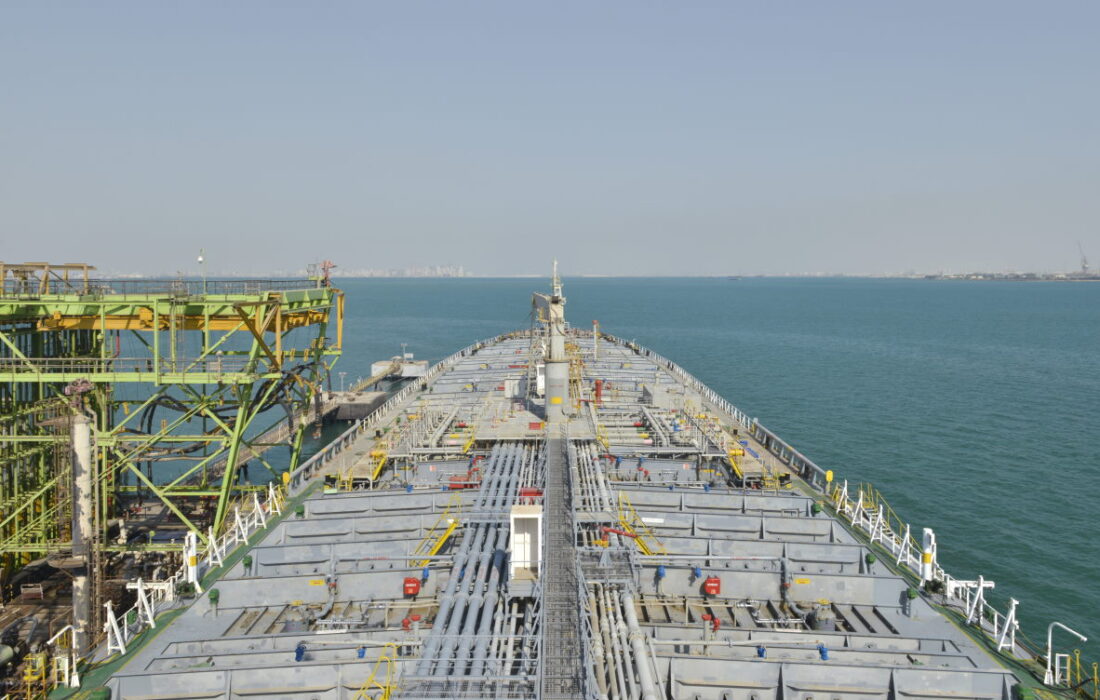
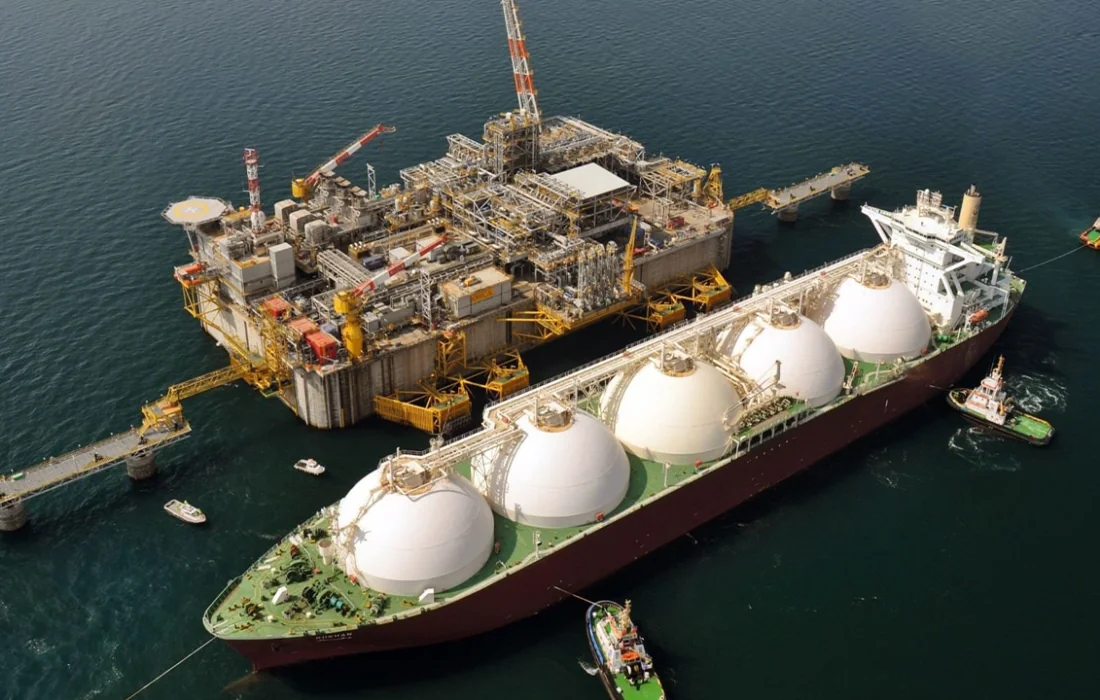
The biggest concern is the disruption of global energy markets particularly as the Strait of Hormuz, on the world’s most important oil transit routes, is disturbed. The strait is critical to global energy shipments as 20% of global oil and 20% of liquefied natural gas (LNG) flow through it. On a daily basis, 20 million barrels of crude, condensate, and fuels flow via the waterway.
This has created a surge in Brent crude oil prices, placing pressure on economies worldwide. For Egypt and many others, this means an increase in the cost of imports and a rise in energy costs.
Trade Routes
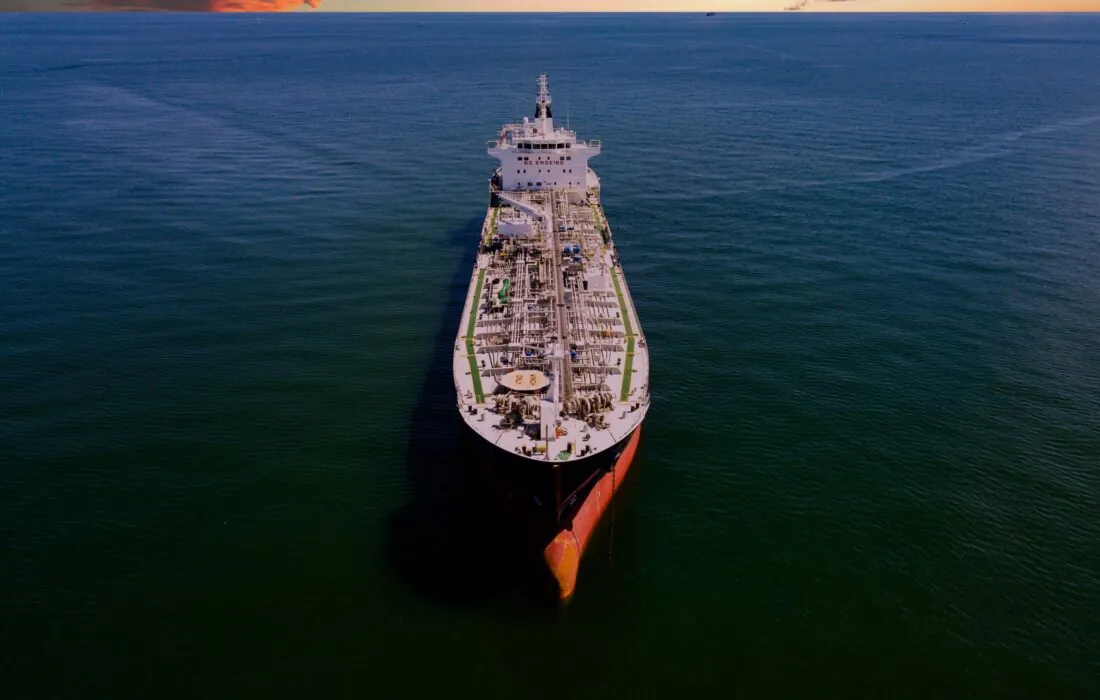
These tensions have led to declining shipping activity for merchant vessels in and around the Arabian/Persian Gulf. Many shipping companies are rerouting vessels away from the Suez Canal.
On March 1 2026, shipping giant Maersk announced that it will temporarily pause the passage of its vessels through the Suez Canal and instead reroute them around the Cape of Good Hope. The shipping giant also announced that it is suspending all vessel crossings in the Strait of Hormuz until further notice.
Currency
The conflict is likely to exacerbate volatility across global markets. This includes possible impact on currency markets, including the dollar index.
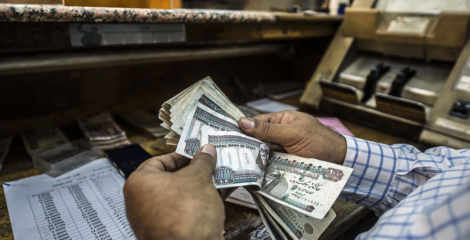
According to Bloomberg, on Sunday, 8th March 2026, the US dollar approached the EGP 52.2 per dollar mark. The news giant reports that the currency may be under pressure due to the Iran conflict. It further notes that this may be due to foreign investors having reduced their exposure to emerging markets.
However, Egypt’s flexible exchange rate and the Central Bank’s role as a “shock absorber” mitigate external shocks. Additionally, Egypt has a robust foreign currency reserve that is currently at record levels. Moreover, banks continue to support trade and import financing, mitigating the impact on households and businesses.
Aluminum
Many commodities have been affected by the ongoing geopolitical tension. For instance, these disruptions have tightened the global aluminum market. Aluminum prices have surged to their highest level since 2022 reaching USD 3,544 per ton according to Bloomberg.
Tensions in the Persian Gulf have disrupted aluminum shipments, forcing buyers to adjust their supply chains. Smelters in Qatar and Bahrain were forced to suspend deliveries, while alumina feedstock originally destined for the region is being redirected to other countries, creating new export flows into China. This highlights how geopolitical conflicts can ripple through commodity supply chains, affecting availability, trade routes, and market dynamics worldwide.
For Egypt, however, there has been an increase in export orders for Egyptian aluminum. Engineer Mohamed El-Aidi (محمد العايدي), representative of the Chamber of Engineering Industries at the Federation of Egyptian Industries, told Alarabiya Business that he predicts that the demand for Egyptian aluminum and its products could increase by 20–30% in the coming period. He also indicates that the surge in orders may be due to the ongoing conflict which has disrupted production at major regional companies.
It is however important to note, that Egyptian aluminum and its products already receive high demand in several international markets, especially in the Arab world, Europe and the U.S,
Additionally, Esmat Abu Dahab, Investor Relations Director at Egypt Aluminum, told Alarabiya Business, that this rising external demand could lead to Egypt considering increasing its exports from 60% of production to around 70%.
Looking Ahead
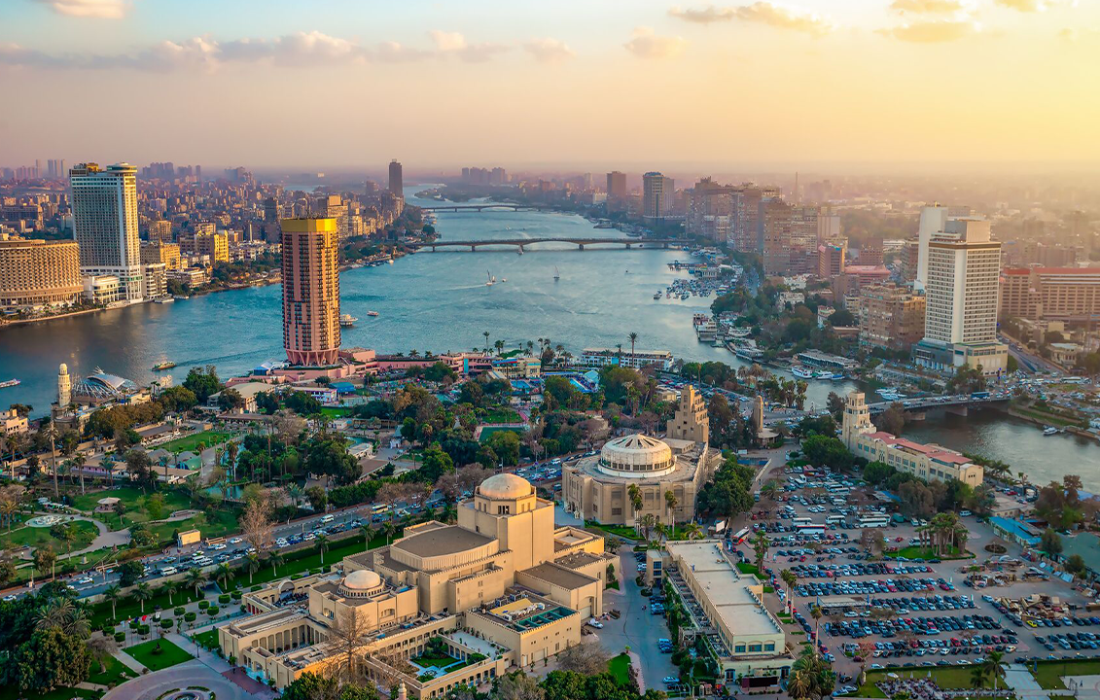
Egypt’s economy remains substantial on a global scale. The country ranks 18th globally, with a PPP-adjusted GDP of about USD 2.53 trillion, according to data, compiled by Visual Capitalist using IMF estimates.
Overall, while the Iran conflict is creating global pressures on energy, trade, and financial markets, Egypt’s economy shows resilience and adaptability. Strong foreign reserves, a flexible exchange rate, and active banking support help mitigate external shocks, while certain sectors, such as aluminum exports, have seen measurable increases in demand.
If you see something out of place or would like to contribute to this story, check out our Ethics and Policy section.