- Iran’s draft legislation could charge vessels passing Hormuz, raising costs for regional and global oil exports.
- Disruption risks could slow industrial output and force shipping reroutes, increasing operational and insurance costs.
- Higher transportation costs may push global energy prices upward and strain supply chains across multiple sectors.
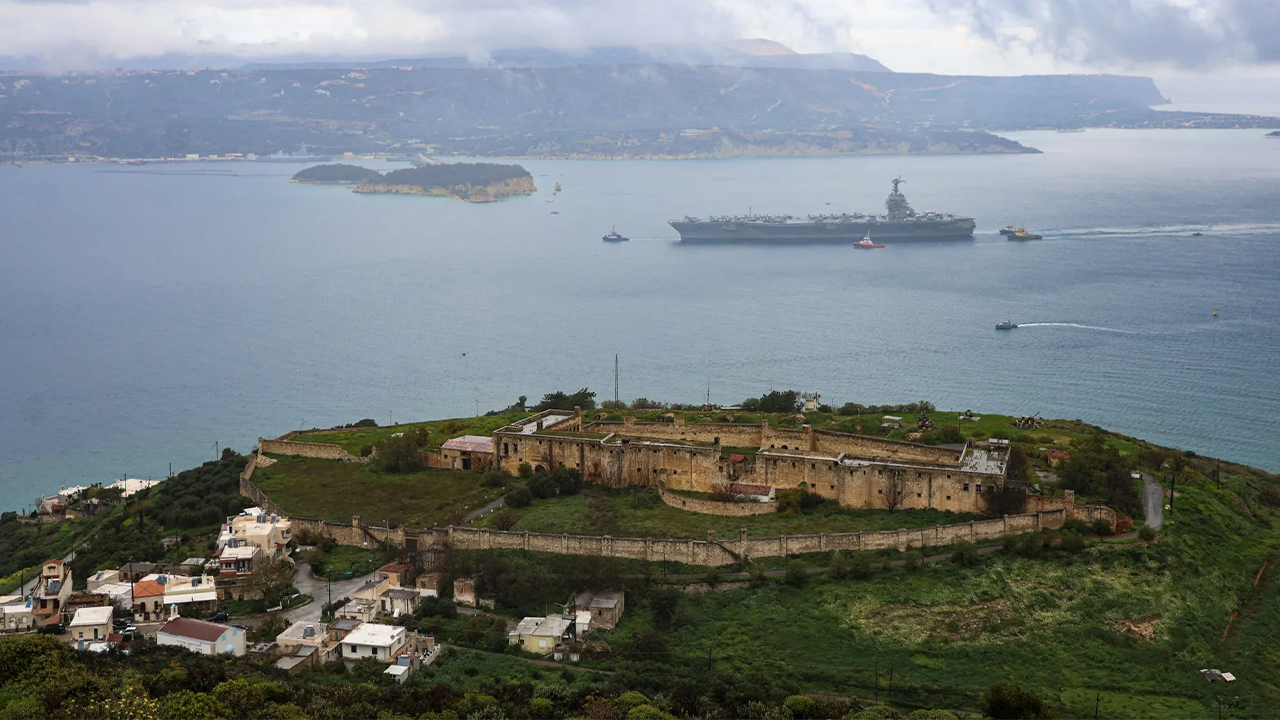
Strait of Hormuz
Iran’s parliament is drafting a law to impose fees on vessels passing through the Strait of Hormuz. This strategic waterway connects Persian Gulf producers to global markets. While the toll is still under discussion, shipping operators report informal payments already occur, sometimes reaching USD 2 million per passage.
The move could formalize Iran’s control, adding a financial and logistical burden on oil and gas exporters. Global shipping companies now face higher costs and potential sanctions risks. This creates uncertainty for cargo schedules, insurance claims, and regional trade stability.
Economic Implications
Disruptions in Hormuz could directly affect oil and gas flows from the region, where roughly 20% of global energy exports transit. Analysts warn that sustained tolls or partial closures may push Brent crude prices above USD 115 per barrel. Energy-intensive industries in the MENA region could face higher input costs, while import-dependent economies may see inflationary pressures.
Alternative routes are limited. Some Gulf producers are exploring pipelines or Red Sea outlets to bypass Hormuz, but capacity constraints remain. Storage limits and geopolitical risks reduce flexibility, leaving regional energy markets vulnerable to sudden shocks.
Beyond energy, global shipping chains may experience delays and higher operational costs. Manufacturers reliant on timely raw material delivery could face production slowdowns. Freight insurance premiums may rise, and investors could reassess risk in MENA logistics sectors.
While the law is still under review, its potential adoption could affect shipping schedules and costs.
If you see something out of place or would like to contribute to this story, check out our Ethics and Policy section.