- Saudi Arabia’s East-West pipeline now pumps 7 million barrels per day, ensuring continuity amid Strait of Hormuz disruptions.
- Yanbu exports reach 5 million barrels daily, alongside 700,000–900,000 barrels of refined products, supporting global oil supply.
- The pipeline reduces reliance on Hormuz but regional risks, including Red Sea tensions, could still disrupt shipments.
Hormuz
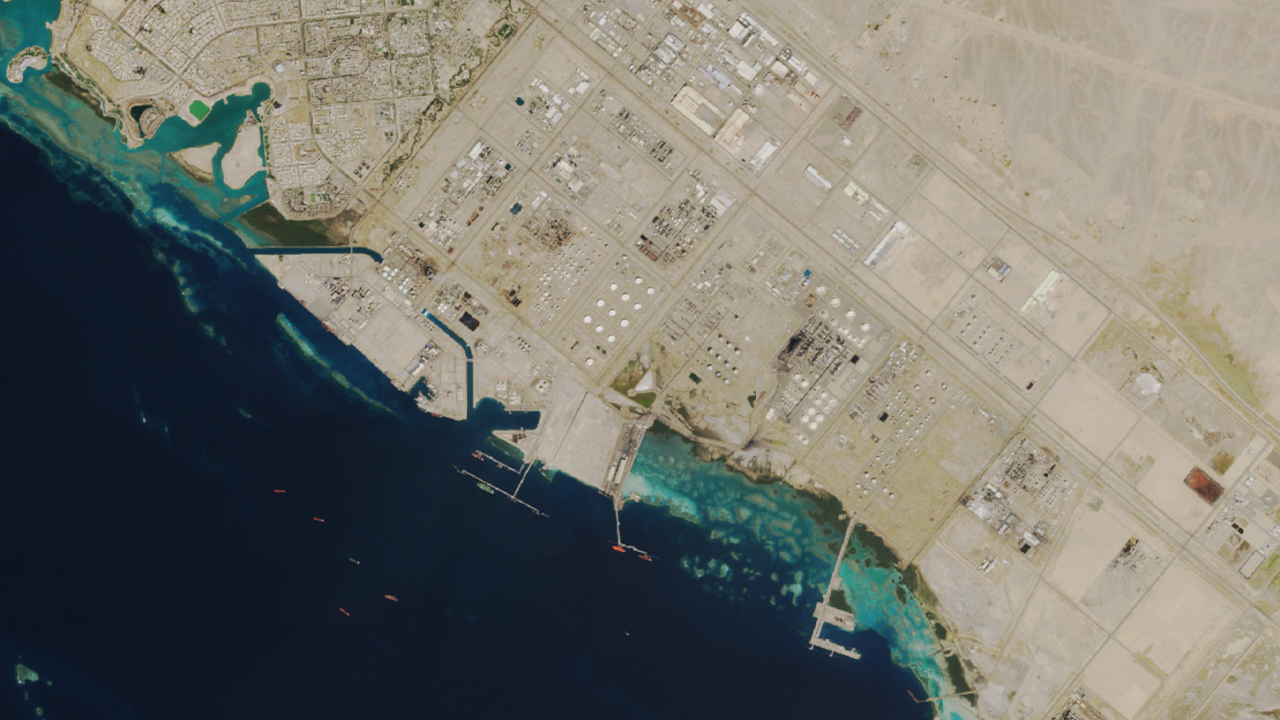
Saudi Arabia’s East-West pipeline, running from the kingdom’s eastern oil fields to the Red Sea port of Yanbu, has reached full capacity. The system now pumps 7 million barrels per day, according to Bloomberg’s reporting. This milestone is part of a long-standing contingency plan to maintain exports when the Strait of Hormuz faces disruption.
Crude flows via Yanbu have reached about 5 million barrels daily, with refined products adding another 700,000 to 900,000 barrels. Of the total pipeline capacity, roughly 2 million barrels are destined for domestic refineries. These flows help stabilize the market, preventing oil prices from hitting extreme levels despite regional instability.
Strategic Importance
The East-West pipeline is a legacy of past conflicts, including the Iran-Iraq war, designed to bypass vulnerable maritime chokepoints. Its 1,000-kilometer stretch allows Saudi Arabia to quickly redirect exports to the Red Sea, mitigating potential supply shocks.
While the pipeline alleviates some pressure from the Hormuz closure, the Red Sea carries its own risks. The Houthis in Yemen have signaled involvement in the ongoing conflict, raising concerns about potential attacks on shipping through Bab El-Mandeb and nearby waters. So far, no direct threats to tankers have materialized, but the risk remains for regional operators.
Global Supply Implications
By maintaining steady flows via the East-West route, Saudi Arabia reassures markets of its reliability as a major oil supplier. Analysts note that while the bypass cannot fully replace Hormuz exports, it cushions the global supply chain against sudden shocks.
The pipeline’s full operation demonstrates how long-term planning can shield exports from geopolitical disruptions. For the region, it underscores the importance of diversified routes and infrastructure resilience in maintaining energy stability.
If you see something out of place or would like to contribute to this story, check out our Ethics and Policy section.