- Egypt’s WideBot AI partners with Ahmed El-Ghandour to launch an Arabic AI education series targeting mainstream audiences across the region.
- The content will explain real-world AI uses, ethics, and workforce impact, moving awareness beyond technical and enterprise circles.
- The initiative aims to narrow the Arabic content gap, improving understanding and long-term performance of AI systems in the language.
Al-Daheeh
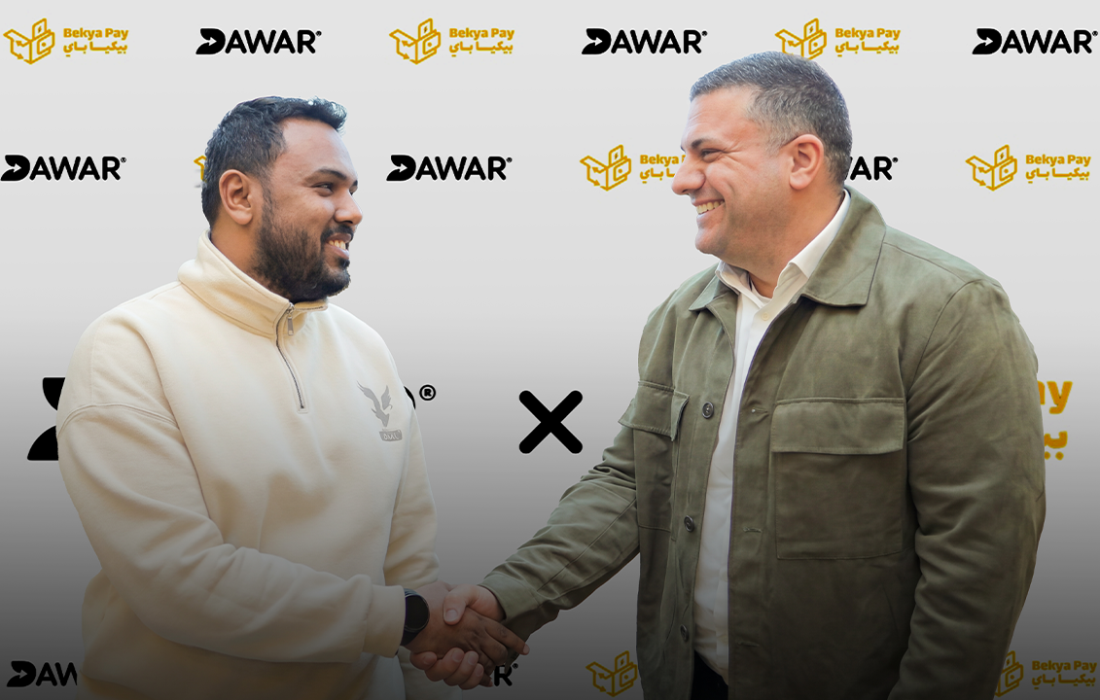
Egypt-based artificial intelligence startup WideBot AI is expanding its focus beyond enterprise clients. The company partnered with educational content creator Ahmed El-Ghandour to launch a new public education series on artificial intelligence.
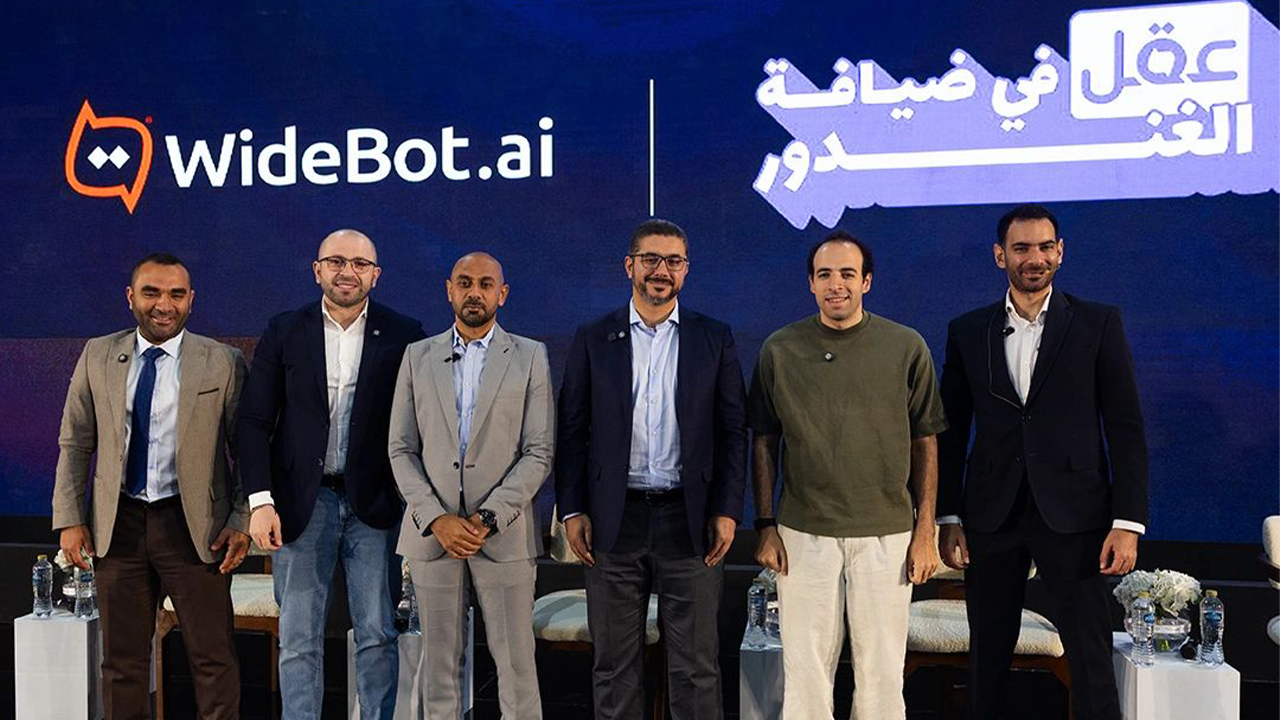
The collaboration was announced during the AI Everything MEA summit in Egypt. It signals a shift toward building broader AI awareness across society, not just within technical communities.
The new program, titled AQL with Ghandour, aims to simplify complex AI concepts for general audiences. The series will rely on storytelling and practical examples to explain how AI works in everyday contexts.
Topics will include large language models, human-AI interaction, and real-world use cases across multiple sectors. These sectors include healthcare, education, finance, business operations, and government services.
The series will also address broader questions around ethics, job transformation, and the societal impact of automation. The goal is to help viewers understand both opportunities and risks.
WideBot
For WideBot AI, the move reflects an expansion of its role in the ecosystem. The company is positioning awareness and education as critical components of long-term AI adoption.
Building public understanding can influence policy decisions, talent development, and institutional readiness. It also helps organizations implement AI more effectively.
Ahmed El-Ghandour brings significant reach to the initiative. His educational program Al-Daheeh has attracted billions of views across platforms and built a large Arabic-speaking audience.
His content style focuses on translating complex topics into accessible, engaging explanations. This approach is expected to expand the series’ reach beyond traditional tech audiences.
The initiative also responds to a structural challenge facing Arabic AI development. Arabic content represents a small share of the global data used to train many AI systems.
Limited high-quality Arabic material can reduce model accuracy and contextual understanding. Increasing localized content helps improve relevance and performance over time.
By producing educational material in Arabic, the partnership supports a more inclusive digital ecosystem. It also encourages greater participation from regional users and institutions.
WideBot AI’s leadership sees public literacy as essential for a sustainable AI economy. Awareness among citizens and decision-makers can accelerate responsible adoption.
If you see something out of place or would like to contribute to this story, check out our Ethics and Policy section.