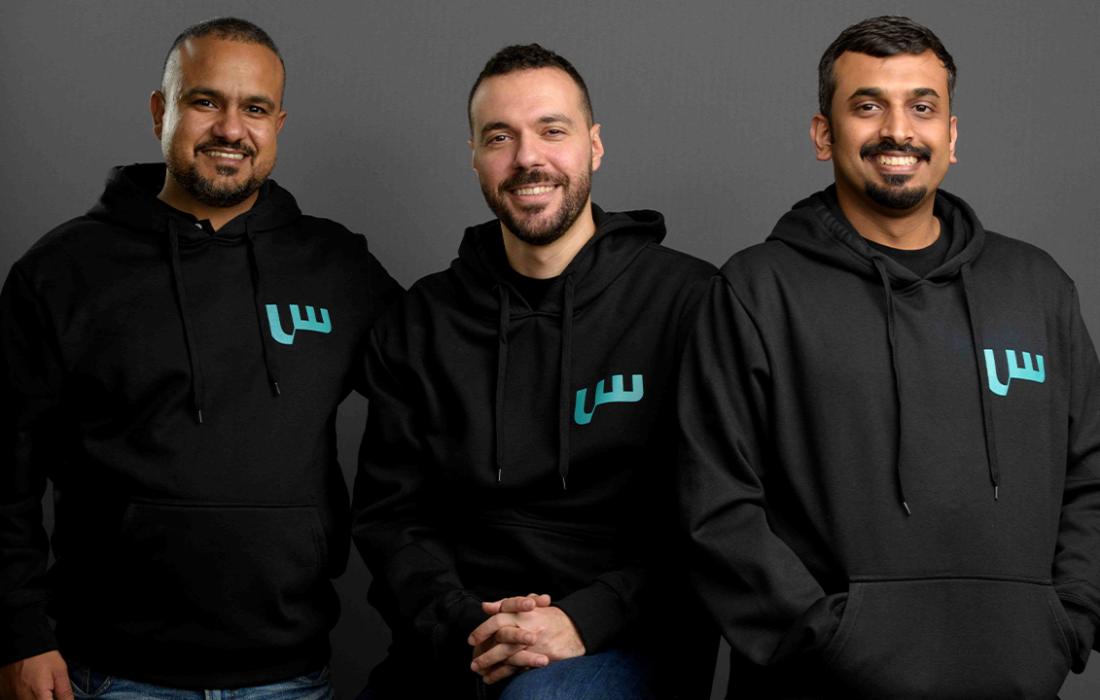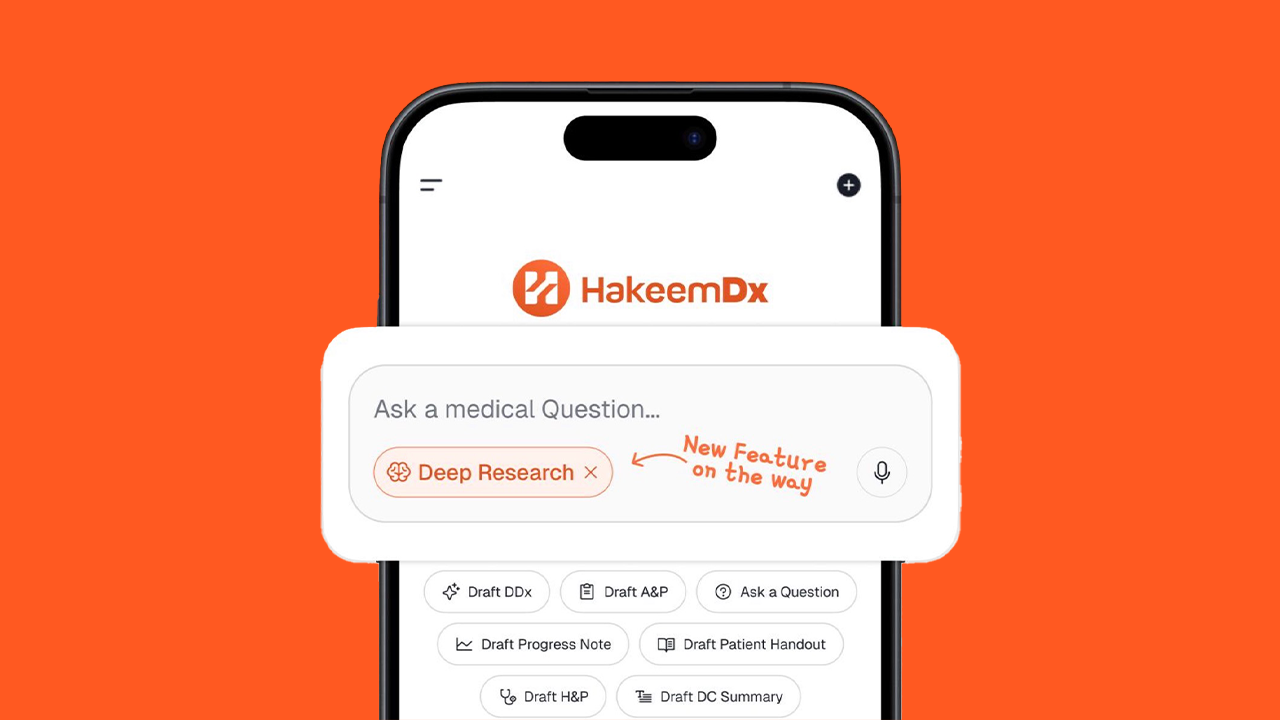
Merak Capital, a Saudi-based multi-strategy investment firm managing over SAR 3 billion across ten funds, has led a $1.65 million investment round in Hakeem Health, alongside Sanabil 500. Hakeem Health develops HakeemDx, an AI-powered clinical decision support platform. It integrates with hospital systems to deliver real-time, bilingual guidance to clinicians at the point of care.
The round arrives at a moment when the GCC’s healthcare systems are under mounting pressure to improve clinical outcomes without proportionally increasing headcount. Saudi Arabia, the UAE, and Egypt collectively operate more than 2,000 hospitals. Many rely on clinicians making high-stakes decisions with limited time and inconsistent access to up-to-date clinical evidence. Medical errors remain one of the most costly and preventable problems in institutional healthcare globally.
Hakeem Health’s response to that problem is a software platform, not a diagnostic device or a replacement for clinical judgment. HakeemDx integrates with existing hospital infrastructure, including electronic medical records and laboratory platforms. It surfaces evidence-based clinical guidance in real time, in both Arabic and English, at the point of care. The bilingual capability is not incidental. It reflects a deliberate focus on building for the specific realities of GCC health systems rather than adapting a product designed elsewhere.
Why You Should Care
Clinical decision support is one of the most structurally promising categories in healthcare technology. It is also one of the most difficult to execute. The products that fail do so because they sit outside clinical workflows rather than inside them, generating alerts that clinicians learn to ignore. The products that succeed integrate with the tools clinicians already use and deliver guidance at the precise moment a decision needs to be made.
HakeemDx is built on the integration model. Its connection to EMR and lab platforms means the system has access to patient-specific data rather than operating on generic inputs. That distinction is significant. A clinical decision support tool that knows the patient’s history, current medications, and recent lab results can surface relevant guidance. One that does not is, at best, a reference database.
For investors, the round signals growing conviction in healthcare AI as a category within the GCC’s technology ecosystem. Merak Capital’s participation is notable because the firm operates across venture capital, private equity, and credit financing at scale. It is not a specialist healthcare fund making a thematic bet. Its decision to lead this round reflects a broader view that AI delivers measurable productivity gains across industries. Healthcare represents one of the highest-impact areas remaining.
Sanabil 500, the joint programme between Sanabil Investments and 500 Global, brings a different kind of signal. Its participation connects Hakeem Health to one of the most active early-stage networks in the region.
The commercial model is structured for institutional adoption. Hakeem Health operates on a SaaS basis, targeting hospitals, universities, and healthcare payers through recurring contracts. That model aligns with the procurement realities of institutional healthcare. One-time licensing arrangements are harder to sustain. A platform embedded in daily clinical workflows builds durable switching costs over time.
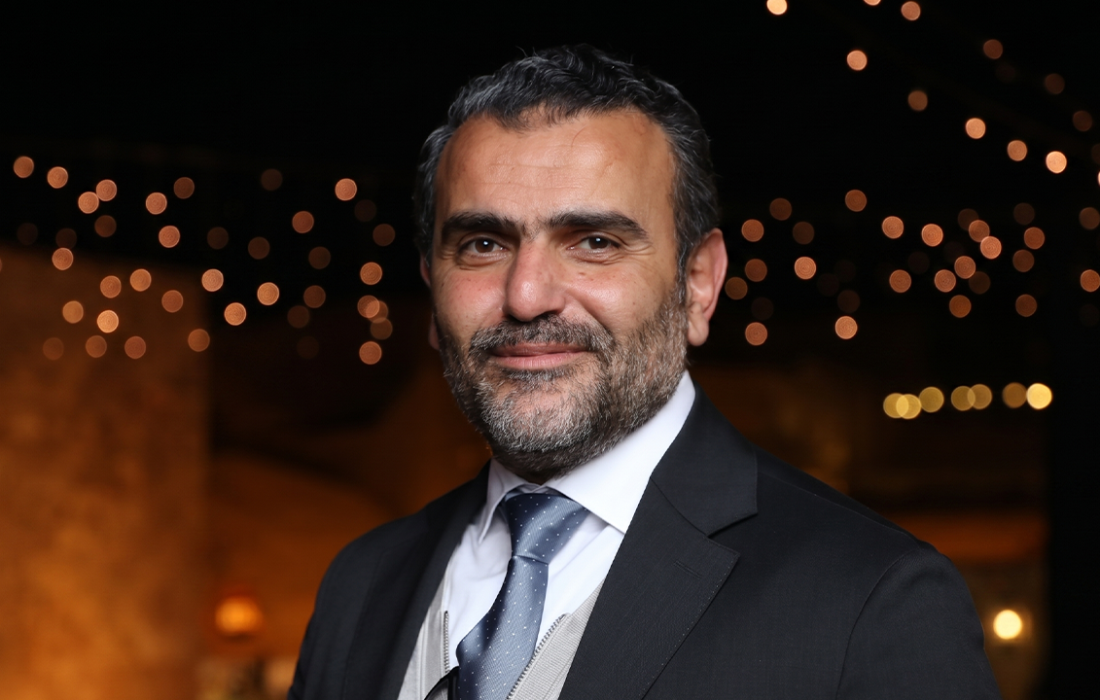
Abdulelah Alshareef, Principal of Venture Capital at Merak Capital, framed the investment around the firm’s view on AI’s commercial impact. “Healthcare remains a critical area for impact. Hakeem addresses key challenges in clinical decision-making by enabling faster, more accurate assessments that can improve patient outcomes,” he said.
Bilal Adi, Founder and CEO of Hakeem Health, framed the funding as an enabler of the next phase of platform expansion. “Our mission is to help clinicians make better decisions, faster, so patients receive better care,” he said. “This funding enables us to expand HakeemDx across hospitals and health systems in the GCC,” he said. “And to continue building AI solutions that clinicians trust.”
The Ripple
The Hakeem Health round reflects a broader shift in how the GCC’s healthcare sector approaches technology adoption. For most of the past decade, digital health investment in the region focused on patient-facing applications: telemedicine, appointment booking, pharmacy delivery. The infrastructure layer, meaning the tools that support clinical workflows inside hospitals, received less attention and less capital.
That is beginning to change. Saudi Arabia’s Vision 2030 healthcare transformation targets include digital integration across health systems, AI-driven clinical support, and the development of knowledge-based healthcare industries domestically. Hakeem Health’s positioning as a KSA-based company building clinical AI for the region rather than importing it from elsewhere is directly aligned with that agenda.
For the wider health technology ecosystem in the region, a funded, integrating clinical decision support platform creates downstream opportunities. Health informatics companies, EMR providers, laboratory systems, and medical education institutions all operate in adjacent spaces where HakeemDx’s adoption could drive demand for compatible infrastructure.
What to Watch
The immediate indicator of execution will be institutional adoption. Hakeem Health has positioned HakeemDx for hospitals, universities, and healthcare payers across the GCC. The speed and depth of those integrations will determine whether the platform builds the workflow embeddedness that makes clinical decision support tools defensible over time.
The bilingual Arabic and English capability is a genuine differentiator in the GCC market. Whether Hakeem Health can extend that to additional languages will shape how broadly the platform scales. Urdu, Tagalog, and Hindi represent large clinical workforce segments in the Gulf, and the region’s healthcare staffing reality is deeply multilingual.
The longer-term question is clinical validation. Hospital procurement committees in the GCC, particularly those operating under JCI accreditation standards, require evidence of clinical impact before committing to platform-level contracts. Generating and publishing outcome data from early institutional deployments will be the most important commercial asset Hakeem Health can build in the next twelve months.
If you see something out of place or would like to contribute to this story, check out our Ethics and Policy section.