Supply shortages and rising uncertainty are beginning to weigh on sentiment across Europe’s auto industry
German carmakers are growing more cautious as geopolitcal tensions in the Middle East begin to disrupt supply chains and feed into production planning and business expectations.
Why You Should Care
Europe’s auto sector is deeply interconnected with global supply chains, and even indirect disruptions can quickly translate into higher costs, delayed production, and softer demand. For operators, investors, and suppliers, this is an early signal that geopolitical risk is once again becoming a material factor in industrial performance.
A closely watched expectations index compiled by the Ifo Institute dropped sharply in April, falling to minus 30.7 from minus 15.3 a month earlier. At the same time, reports of input shortages rose significantly, with more than 9% of companies flagging constraints compared to just 1% in March.
At the center of the disruption is helium, a niche but essential input used across multiple stages of car manufacturing, including semiconductor production, airbag systems, metal processing, and battery testing.
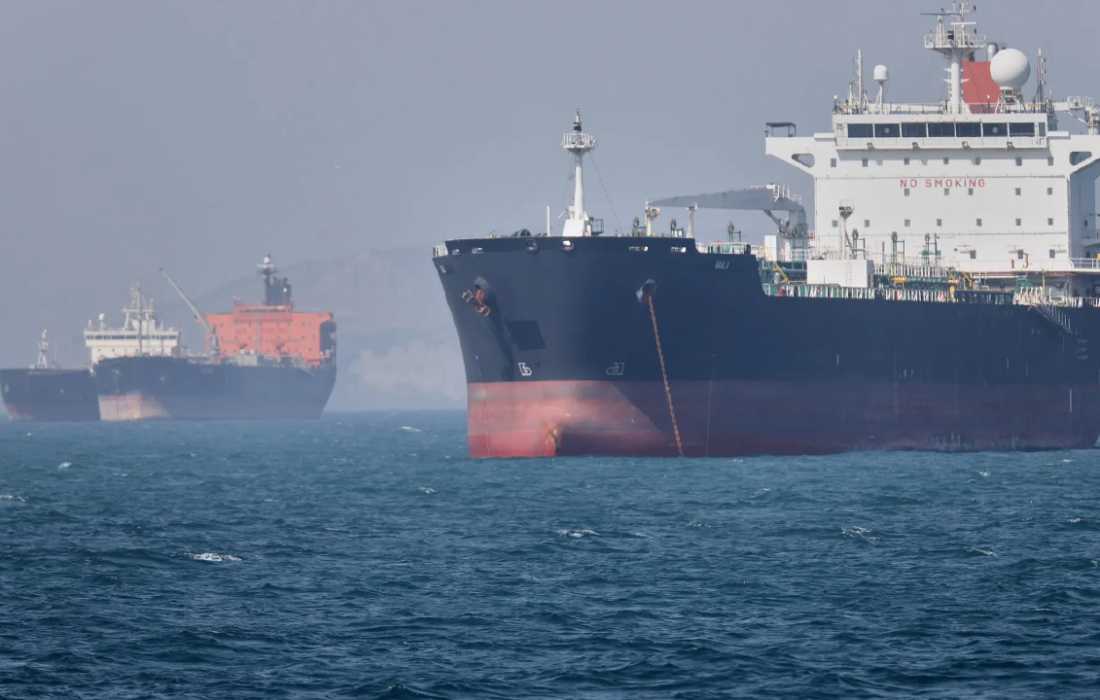
A large share of Europe’s helium imports originates from Qatar, making supply flows sensitive to developments in the region. Disruptions linked to the closure of key shipping routes, including the Strait of Hormuz, have tightened availability and pushed prices higher.
While major manufacturers such as Volkswagen and Mercedes-Benz have not reported significant production stoppages, they are monitoring access to a broader range of materials. This includes plastics and aluminum, where regional facility shutdowns have added another layer of uncertainty.
Beyond supply constraints, the sector is also navigating external pressures from potential trade policy shifts. Renewed discussions around higher US tariffs on European vehicles are adding to an already complex operating environment.
The combined effect is showing up in sentiment data. According to a monthly survey of carmakers by the Munich-based Ifo Institute, companies are becoming more cautious about near-term prospects, reflecting both operational challenges and broader macro uncertainty.
The Ripple
The impact extends beyond German manufacturers. Suppliers across Europe, including parts producers and logistics firms, are exposed to the same constraints, particularly those reliant on specialized inputs.
Energy-intensive industries may also feel second-order effects if disruptions continue to influence energy prices. Higher input costs could eventually feed into vehicle pricing, with potential implications for demand across both domestic and export markets.
At the same time, the situation underscores how closely European industry remains tied to global trade routes and geopolitical developments, even when disruptions occur outside the region.
What to Watch
The key variable now is duration. Short-term disruptions may be absorbed through inventory adjustments and alternative sourcing. Longer disruptions, however, could begin to affect production schedules more directly.
Equally important is how demand responds. Rising uncertainty, combined with elevated energy costs, could lead some consumers to delay big-ticket purchases such as new vehicles.
For now, the data points to caution rather than contraction. But the shift in sentiment suggests that manufacturers are preparing for a more complex operating environment in the months ahead.
If you see something out of place or would like to contribute to this story, check out our Ethics and Policy section.