Easing geopolitical tensions are lifting equities, while energy markets begin to stabilize
Global markets are recalibrating. Stocks are climbing toward record levels while oil prices ease, as signs of geopolitical tensions calming down offer signs of stability.
Why You Should Care
This is a shift in market tone. After weeks of volatility driven by fears around the Strait of Hormuz, investors are beginning to price in stability rather than escalation.
For operators and investors, this matters on two fronts. First, lower oil prices ease inflation pressure and reduce cost uncertainty across industries. Second, a rebound in equities signals renewed risk appetite, particularly in sectors that were previously weighed down by geopolitical risk.
Global equities moved higher as geopolitical tensions between the US and Iran showed signs of cooling. The S&P 500 rose close to all-time highs, supported by gains in major tech stocks and broader market optimism. The Nasdaq 100 outperformed, while global indices also posted gains.
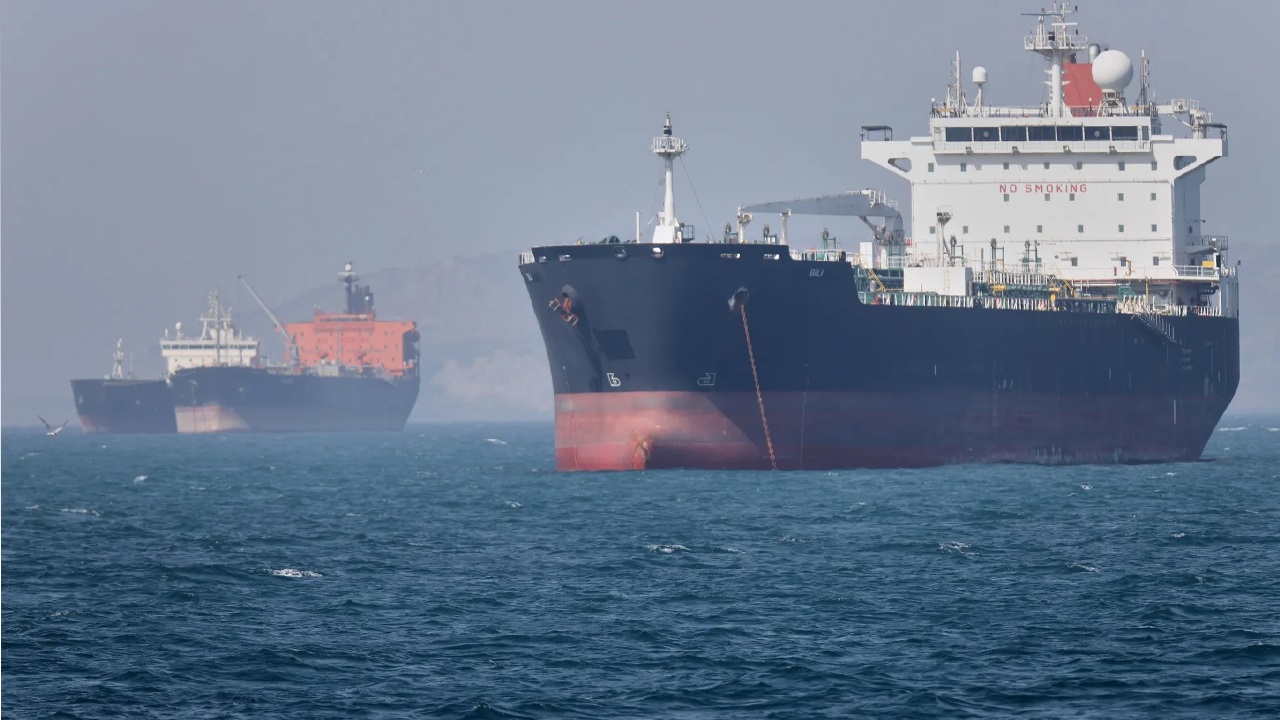
Oil, which had surged on fears of supply disruption through the Strait of Hormuz, began to pull back. Brent crude hovered around USD 110 per barrel, while US crude dropped more sharply. Prices remain elevated, but the direction signals reduced immediate concern over supply shocks.
Market strategists are increasingly aligning around a base case where the conflict does not escalate further. That outlook is driving expectations that energy prices could decline further if key shipping routes fully stabilize.
On the corporate side, a rally in chipmakers supported equity markets, while upcoming earnings from companies like AMD are expected to provide further clarity on whether recent stock performance aligns with underlying fundamentals. Separately, US regulators proposed allowing companies to report earnings less frequently, a move that could change how investors assess corporate performance over time.
The Ripple
The impact extends beyond equities and oil.
Oil’s pullback reflects how quickly geopolitical risk is being repriced, but prices remain elevated, signaling that markets are not fully discounting disruption. Any sustained move lower would depend on clearer visibility around shipping flows through the Strait of Hormuz.
Lower energy prices could ease pressure on import-dependent economies, where fuel costs directly affect fiscal balances and inflation. For exporters, however, sustained declines in oil could tighten revenues if the trend continues.
What to Watch
The current market direction hinges on whether stability holds.
Any further disruption to the Strait of Hormuz would likely push oil prices higher again and reintroduce volatility across equities.
Markets will also be watching whether the equity rally broadens beyond technology. A wider participation across sectors would indicate stronger conviction, while continued concentration could point to a more fragile move.
If you see something out of place or would like to contribute to this story, check out our Ethics and Policy section.