AGFUND is preparing to bring its microfinance model to Egypt, aiming to replicate a USD 1.4 billion track record of lending.
Talks are underway with Egypt’s central bank and MSME authority to establish the Bank of Creativity (بنك الإبداع) with fast, product-driven lending
Why You Should Care
This is not just another microfinance initiative entering Egypt. It is an attempt to institutionalise a model that has already scaled across nine countries, now being adapted to one of the region’s largest and most complex MSME markets.
For founders and small business operators, the signal is access. The model being introduced focuses on speed, product design, and reach, offering financing “within minutes” through tailored offerings. That shifts expectations around how quickly capital can move in a segment that has historically faced friction.
For the broader ecosystem, this adds another layer to Egypt’s ongoing push for financial inclusion, but through a structure that blends development capital with a banking model.
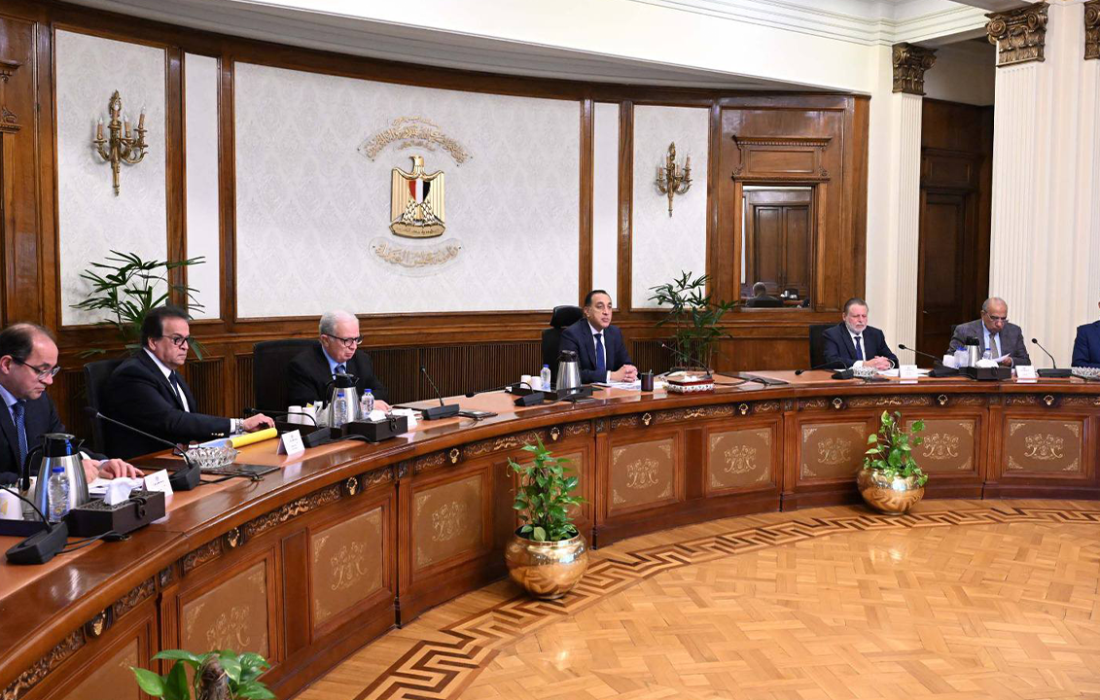
AGFUND, the Arab Gulf Programme for Development, is in discussions with both the Central Bank of Egypt and the Micro, Small, and Medium Enterprise Development Agency to establish the bank. The plan includes creating a dedicated financing portfolio for SMEs in the Egyptian market.
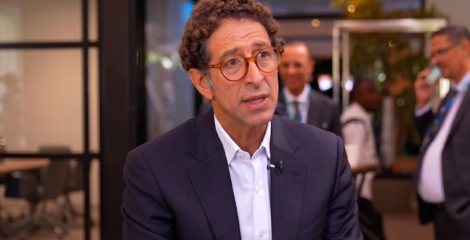
In an interview with Asharq Business, Hammam bin Nasser bin Juraied, the Executive Director of AGFUND, disclosed the discussions surrounding the launch of the Bank of Creativity in Egypt. He further adds that AGFUND intends to establish a dedicated financing portfolio in Egypt for small and medium enterprises. Additionally, the bank will provide “financing within minutes” through tailored products, with the identification of 5 scalable products.
He further explains that the proposed bank will focus on delivering customised financial products, with five initial offerings identified as scalable. Furthermore, the bank aims to provide “financing within minutes.”
The model comes with a track record. Ibda Bank’s services have already reached more than two million beneficiaries, with total financing exceeding USD 1.4 billion over the past 20 years across other Arab and African markets.
Beyond lending, the model also integrates savings accounts, positioning financial inclusion as both access to credit and entry into the formal financial system.
The Ripple
The entry of a new microfinance-focused bank could reshape how capital flows to smaller businesses. This is especially important if the speed of disbursement becomes a competitive benchmark.
Existing financial institutions may face pressure to rethink product design and turnaround times, especially in segments where demand for smaller, faster loans continues to grow.
What to Watch
The structure of the bank and how quickly it moves from discussions to licensing and launch will signal how aligned stakeholders are on accelerating financial inclusion through new institutional models.
Early adoption of the bank’s tailored products and how effectively they scale beyond initial segments will indicate whether speed and accessibility can translate into sustained usage across Egypt’s MSME landscape.
If you see something out of place or would like to contribute to this story, check out our Ethics and Policy section.