A childhood collectible is quietly becoming a high-value asset class, and the market around it is starting to behave like one.
A USD 15.8B global market is turning trading cards into high-value assets, and making them targets for theft, scams, and regulation.
Why You Should Care
The transformation of trading cards into investable assets is not just about nostalgia. It reflects a broader shift where alternative assets, from collectibles to digital goods, are attracting real capital, new infrastructure, and regulatory attention.
For investors, operators, and platforms, the opportunity is clear. So are the risks.
Pokémon cards, once a playground staple, are now part of a fast-growing global market valued at USD 15.8 billion in 2024 and projected to reach USD 23.5 billion by 2030.
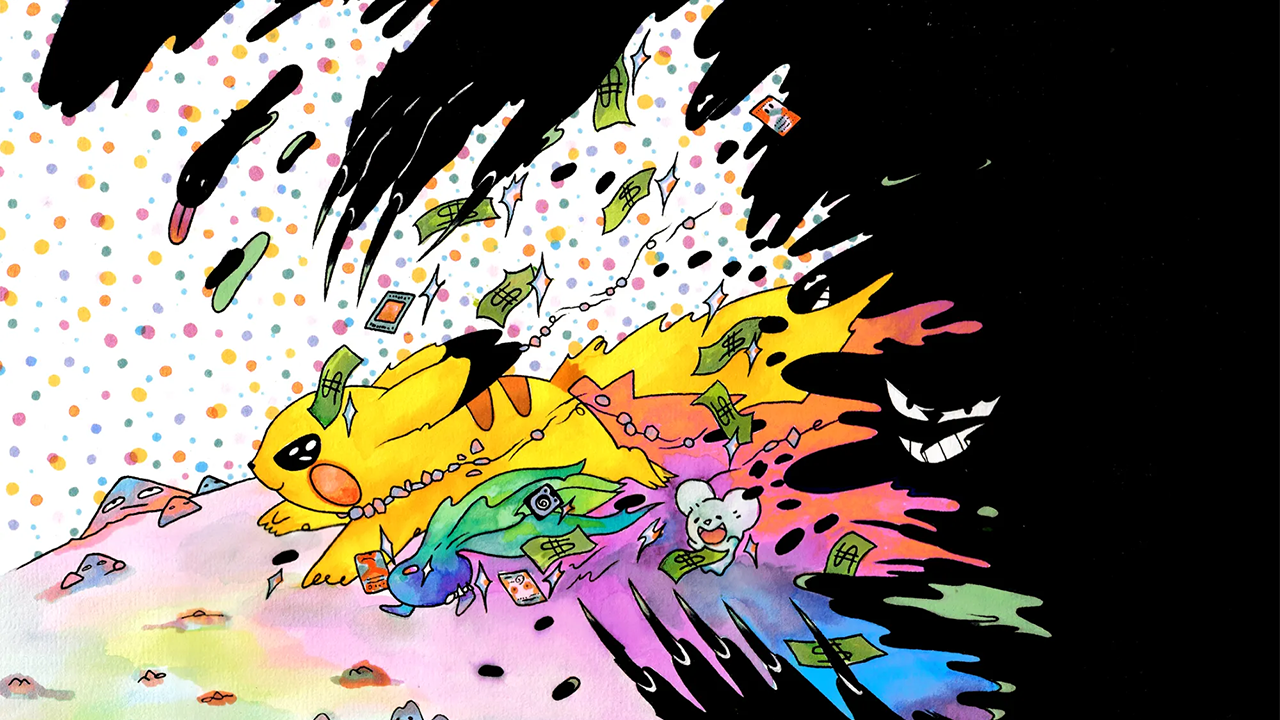
Millennials and Gen Z collectors are driving the shift as they return to the hobby with significantly more purchasing power. Rare cards are now commanding prices that rival traditional assets. In one high-profile sale, a Pikachu Illustrator card sold for over USD 16 million, setting a record for the franchise.
As values rise, so does participation. Collectors are no longer just trading casually; they are building portfolios, tracking prices, and treating cards as stores of value. Some collections are now worth six figures, with individual cards doubling in value within months.
But the market’s growth has also exposed its weaknesses.
The increase in liquidity and value has led to a rise in theft and fraud across major markets. In Singapore alone, more than 600 scams linked to Pokémon card transactions have been reported since late 2025, with losses exceeding USD 800,000.
Physical stores are also being targeted. Break-ins, like one in Hong Kong where sealed card packs were stolen instead of cash, highlight how these assets are now perceived.
At the same time, infrastructure is beginning to evolve. New platforms are emerging to bring structure and price transparency to a fragmented market. This aims to consolidate listings and reduce reliance on informal channels.
Institutional-grade services are also entering the space. In Hong Kong, a digital asset company is working with a fine art storage provider to launch a secure vault for high-value cards, complete with authentication and blockchain-based ownership tracking.
Regulators are starting to respond as well. Singapore is considering rules around “blind box” sales, a core mechanic of card collecting, including disclosure requirements and potential age restrictions.
The Ripple
What is happening in trading cards is not isolated.
It mirrors the early stages of other alternative asset classes, where rising value attracts both institutional infrastructure and bad actors at the same time.
Platforms, storage providers, and marketplaces are stepping in to formalize what was previously an informal ecosystem. This creates new opportunities for businesses building trust layers, authentication, custody, and price discovery.
At the same time, regulators are beginning to define the boundaries of these markets. This is with a particular focus on where behavior starts to resemble gambling or speculative trading.
For adjacent sectors, including gaming, digital assets, and collectibles, this is a signal. As soon as an audience starts assigning financial value to an item, the surrounding ecosystem begins to professionalize.
What to Watch
The next phase of this market will be shaped by infrastructure, not just demand.
How quickly platforms can standardize pricing, verification, and transactions will determine whether trading cards remain fragmented or evolve into a more institutionalized asset class.
Regulation will also be a key signal. Moves like Singapore’s proposed rules on blind boxes will indicate how governments approach the overlap between collectibles, speculation, and consumer protection.
At the same time, the expansion of custody solutions, from vaults to blockchain-backed ownership, suggests a future where physical collectibles are traded with the same efficiency as financial assets.
The question is no longer whether trading cards have value.
It is how far the systems around them will go to support it.
If you see something out of place or would like to contribute to this story, check out our Ethics and Policy section.