Egypt is recalibrating its crisis response, balancing immediate market stability with longer-term energy transition priorities.
Why You Should Care
The government is moving on two fronts at once: managing the near-term impact of regional geopolitical tensions while accelerating structural shifts like solar energy adoption.
For businesses and households, this signals both continuity in daily operations and a gradual change in how energy is produced and consumed.
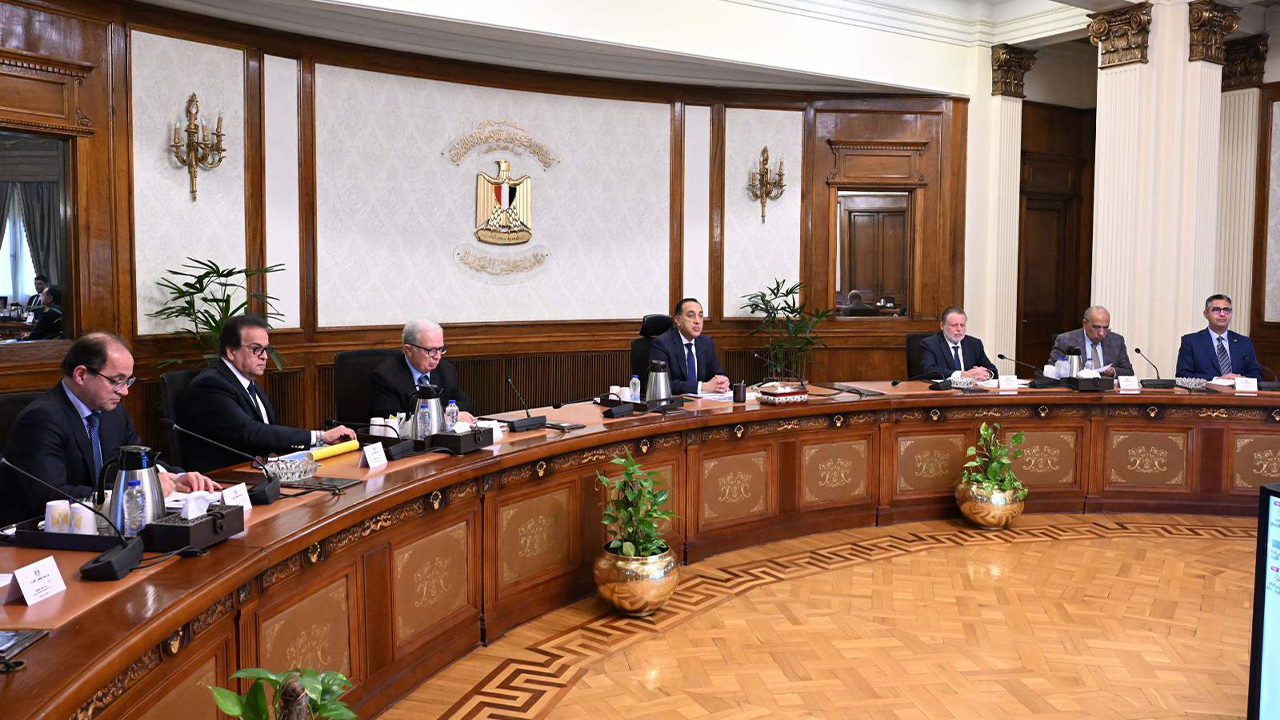
Prime Minister Mostafa Madbouly chaired a meeting of the Central Crisis Management Committee (لجنة المركزية لإدارة الأزمات) to review the latest developments tied to the ongoing regional situation. This includes reviewing the local and global economic impact of the current conflict surrounding Iran.
The meeting brought together senior economic and sector ministers, alongside the Central Bank governor and key government officials. The meeting set out to assess the evolving implications of the crisis and coordinate response scenarios based on its potential duration and scale.
As part of these efforts, the government continues to secure reserves of essential goods and petroleum products for extended periods. This comes in line with directives from President Abdel Fattah El-Sisi to ensure the availability of consumption and production inputs across the economy.
Prime Minister Dr.Madbouly, during the meeting, emphasized the need to maintain market discipline through regulatory oversight. This is to ensure the availability of goods at appropriate quantities and prices.
The government is also continuing measures to rationalize the consumption of petroleum products and electricity, alongside efforts to control public spending. Within this context, the Prime Minister directed the rapid announcement of an incentive-based initiative encouraging factories and households to transition to solar energy, positioning it as a priority on the government’s agenda.
In a parallel move affecting daily operations, the committee approved suspending the previously imposed 11 PM closing time for shops, commercial centers, and restaurants, allowing a return to normal working hours.
The Ripple
The decisions move on two tracks, restoring normal business operations while beginning a shift toward alternative energy use.
Restoring normal business hours supports retail activity and consumption continuity, while the push toward solar energy introduces a longer-term shift in how both industry and households approach energy costs and supply resilience.
At the same time, the focus on securing reserves and tightening oversight reflects a broader effort to maintain stability across supply chains and markets during a period of external uncertainty.
What to Watch
The solar energy initiative signals a clear direction. Its rollout across industry and households will shape how Egypt expands its energy mix and integrates alternative sources into everyday use.
At the same time, global economic conditions, particularly energy prices and regional developments, will continue to shape how long current precautionary measures remain in place and how policy priorities evolve.
If you see something out of place or would like to contribute to this story, check out our Ethics and Policy section.