Regional growth forecast falls to 3.1% as higher oil prices, inflation, and supply chain disruptions weigh on economies from Eastern Europe to North Africa
The economic impact of the geopolitical tensions in the Middle East is spreading far beyond the region itself.
The European Bank for Reconstruction and Development (EBRD) has lowered its growth forecast for the economies where it operates, warning that rising energy prices and trade disruptions are slowing activity across multiple markets. The bank now expects aggregate growth across its regions to reach 3.1% in 2026, down from its previous forecast and below the 3.4% recorded in 2025.
Why Should You Care?
For businesses, investors, and policymakers across MENA, the latest outlook highlights how geopolitical tensions continue to shape economic performance. Higher energy costs are pushing up inflation, increasing pressure on government budgets, and raising operating costs for companies.
The slowdown also comes as many economies were already facing weaker manufacturing activity, tighter financial conditions, and growing uncertainty around global trade.
According to the EBRD, inflation across its regions rose to an average of 6.4% between February and April 2026, reversing progress made during the second half of 2025.
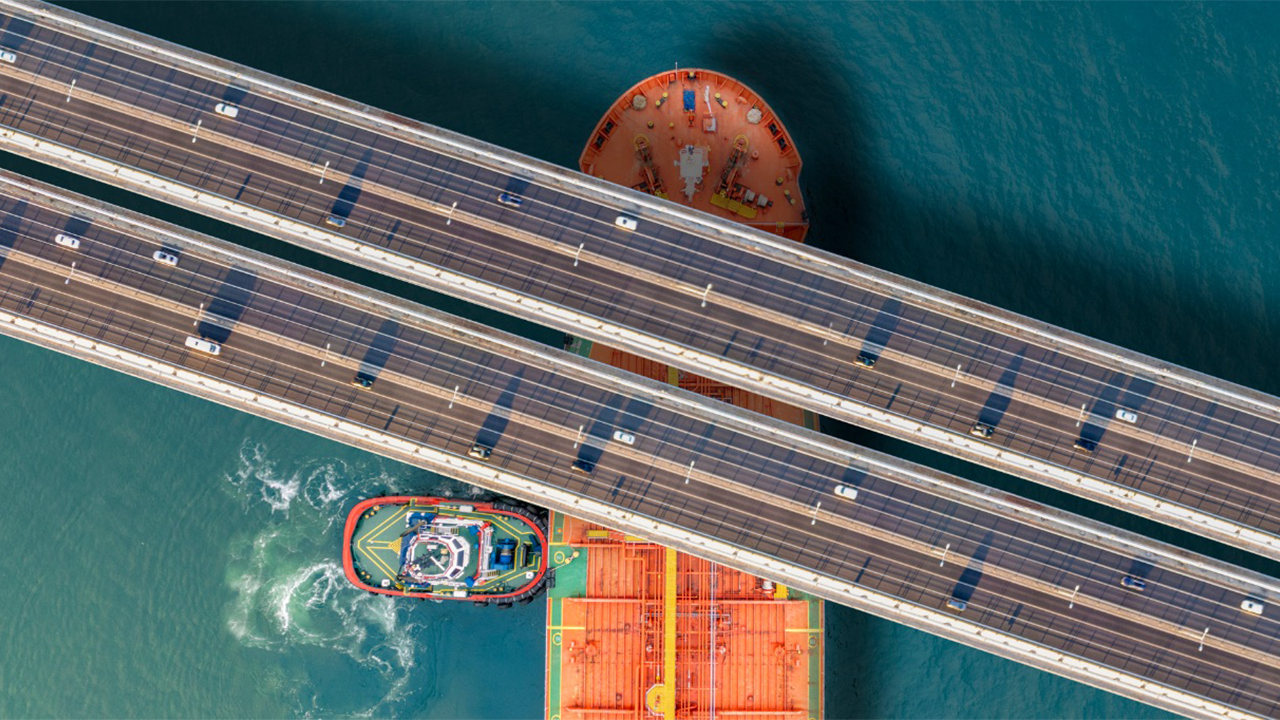
The bank attributes much of that increase to higher energy and food prices following the escalation of conflict in the Middle East. Disruptions to shipping routes through the Strait of Hormuz and rising oil and gas prices have increased costs across global supply chains.
Europe has felt the impact particularly strongly. The EBRD noted that the gap between European and US energy prices has widened significantly, creating additional challenges for energy-intensive industries and reducing competitiveness in several sectors.
Economic growth in the first quarter of 2026 reached an estimated 2.9% across EBRD regions, with Egypt among the countries that recorded weaker-than-expected performance alongside Kazakhstan, Romania, Türkiye, and Ukraine.
In response, governments have introduced measures ranging from fuel price controls and energy tax reductions to targeted subsidies aimed at easing pressure on consumers and businesses.
Beyond energy markets, the report points to broader shifts in global trade patterns. Following higher US tariffs introduced in 2025, trade flows have increasingly moved away from China toward Southeast Asian economies. At the same time, artificial intelligence-related supply chains continue to support export growth in several EBRD economies.
The Ripple
The impact extends beyond growth figures.
The EBRD warns that higher borrowing costs and elevated debt levels are creating additional fiscal pressure, particularly in the Southern and Eastern Mediterranean region and parts of Sub-Saharan Africa. Governments already managing large debt burdens may face more limited room to support economic activity if inflation remains elevated.
Regional forecasts also reveal uneven effects. Growth in the Southern and Eastern Mediterranean is expected to slow from 3.1% in 2025 to 2.5% in 2026, with Lebanon and Iraq facing some of the largest downward revisions due to their direct exposure to the conflict.
Türkiye’s growth forecast was also revised lower as higher energy import costs and inflation create additional headwinds for the economy.
What to Watch
Despite the downgrade, the EBRD still expects growth to recover to 3.6% across its regions in 2027.
Much will depend on whether energy markets stabilize and whether disruptions to trade routes ease in the coming months. Investors will also be watching how governments manage inflation without placing further strain on public finances.
Another potential source of opportunity is the European Union’s proposed Industrial Accelerator Act, which aims to strengthen industrial competitiveness and reduce strategic dependencies. While details remain under discussion, emerging European economies could benefit if they gain access to new industrial investment and supply chain opportunities.
For now, however, the EBRD’s latest outlook suggests that energy prices remain the key variable shaping economic performance across much of Europe, Central Asia, and the MENA region.
If you see something out of place or would like to contribute to this story, check out our Ethics and Policy section.