Mexico could see the biggest economic lift among hosts, while the United States is expected to experience only a modest bump despite staging most of the tournament’s matches.
The 2026 FIFA World Cup will be the largest in the tournament’s history, spanning three countries, 16 host cities, 48 teams, and 104 matches. Yet while the event promises record-breaking audiences and global attention, economists argue that its impact on economic growth may be far smaller than many expect.
According to research from Natixis Corporate & Investment Banking, the tournament is likely to create localized economic gains. This is through tourism, hospitality, transportation, and entertainment spending. However, the expectation is that they will not alter the broader economic trajectory of the host nations significantly.
Why Should You Care?
Mega sporting events are often marketed as catalysts for growth, attracting visitors, creating jobs, and driving infrastructure investment. But for investors, businesses, and policymakers, the more important question is whether those benefits extend beyond the event itself.
The evidence suggests that host countries with mature economies and existing infrastructure tend to experience only modest economic gains from these events. While host cities may experience temporary increases in spending and visitor activity, national growth figures typically see only modest improvements.
For businesses operating in tourism, hospitality, retail, and transportation, the World Cup may create short-term opportunities. For the wider economy, however, the gains are expected to be relatively contained.
Mexico is projected to receive the largest economic boost among the three hosts. The tournament might potentially add between 0.1% and 0.2% to GDP in 2026. The United States is expected to see a smaller increase of roughly 0.05 percentage points.
Mexico will host 13 matches across Mexico City, Guadalajara, and Monterrey, including the opening game at Estadio Azteca. The country could benefit from higher visitor spending and increased economic activity around host cities. However, analysts note that much of the required infrastructure already exists. Combined with Mexico’s established tourism sector and the shared hosting arrangement, this limits the scale of any long-term economic impact.
The United States will host the majority of the tournament, staging 78 matches across 11 cities. Despite the event’s scale, economists expect the primary benefits to be in service industries rather than large infrastructure investments.
The expectation is that hotels, restaurants, transportation providers, and entertainment businesses will capture most of the gains. However, softer international tourism trends, weaker-than-anticipated hotel bookings in some host cities, and high travel costs could reduce the overall economic impact.
Outside North America, Europe is unlikely to receive any measurable economic benefit from the competition despite being home to several of the tournament favorites.
The Ripple
The findings reinforce a broader trend seen across recent mega-events: visibility and economic impact are not always the same thing.
For host governments, the World Cup increasingly functions as a soft-power and branding exercise rather than a major economic stimulus program. The event can elevate a country’s international profile, strengthen tourism marketing efforts, and showcase cities to global audiences, even if the direct contribution to GDP remains modest.
The tournament may also provide valuable lessons for future hosts, particularly in balancing expectations around infrastructure spending and economic returns. As more countries opt for shared hosting arrangements, the focus may continue shifting from large-scale construction projects toward maximizing tourism and commercial activity.
For investors, the clearest opportunities are likely to emerge in sectors directly tied to visitor spending rather than in broad-based economic growth stories.
What to Watch
The most important indicator will be whether international travel demand accelerates as the tournament approaches.
Strong visitor numbers could provide a larger-than-expected boost to hospitality, transportation, and entertainment businesses across host cities. Conversely, if travel costs remain elevated and tourism demand stays subdued, the economic gains may fall closer to the lower end of forecasts.
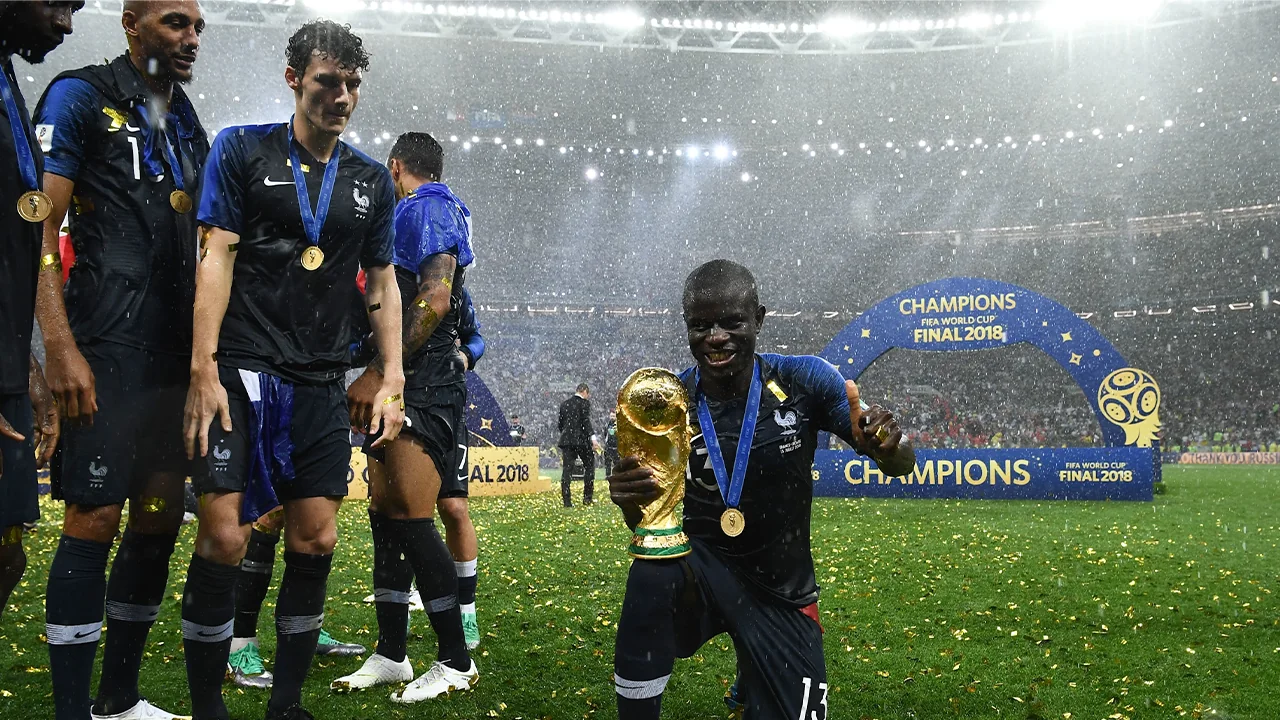
Beyond economics, the tournament will also be watched for its sporting outcome. Natixis’ probability model places France and Spain as the leading contenders for the title, followed by Argentina and Portugal. The probability model simulated the competition 100,000 times using team strength, historical results, FIFA rankings, and tournament structure.
Whether measured in goals or GDP, however, the 2026 FIFA World Cup appears more likely to generate global attention than lasting economic transformation.
If you see something out of place or would like to contribute to this story, check out our Ethics and Policy section.