Gulf and Asian countries are seeking to expand their access to dollar liquidity. This signals a shift in how global financial stability is being managed.
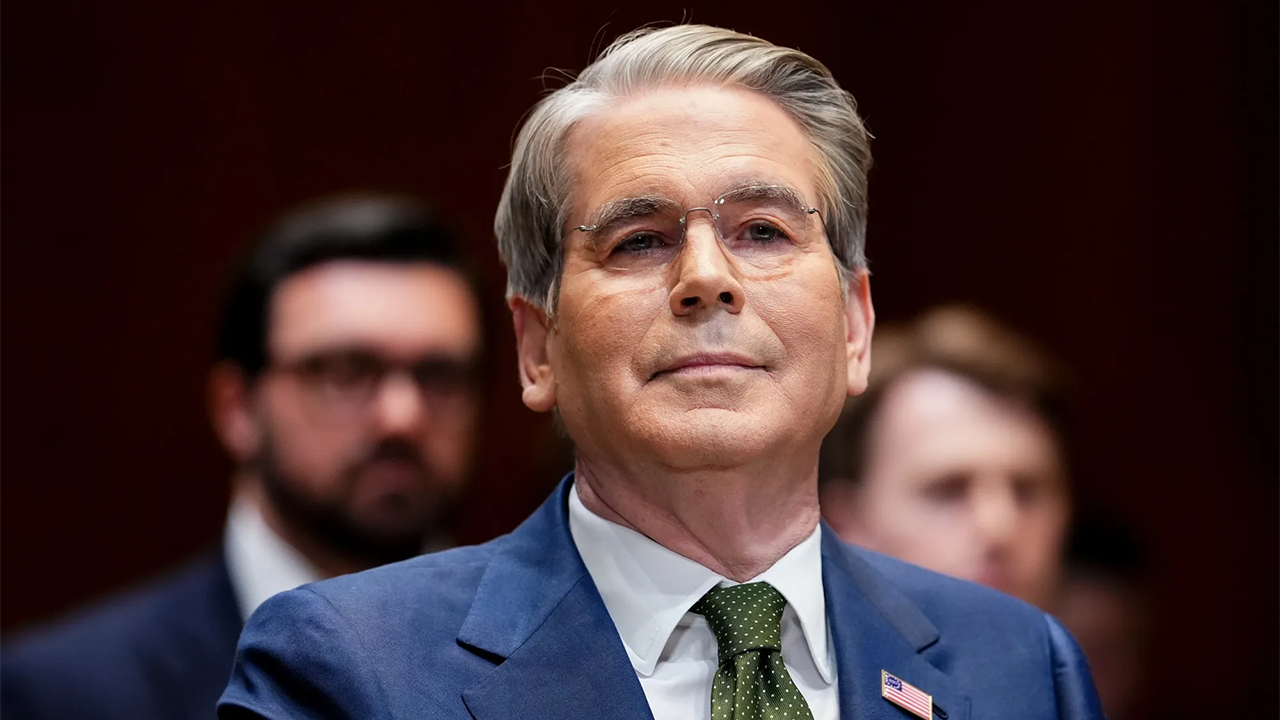
US Treasury Secretary Scott Bessent confirmed that several Gulf countries, alongside Asian economies, have requested foreign exchange swap lines with the United States. These arrangements would allow them to access dollars if needed.
Why You Should Care
This is less about immediate pressure and more about how countries are preparing for a more volatile global system.
Gulf and Asian economies are exploring access to dollar liquidity earlier, positioning it as part of financial infrastructure rather than an emergency measure.
For economies closely tied to the dollar, access to reliable dollar funding is central to maintaining stability across trade, investment, and capital flows.
At the same time, recent geopolitical tensions and currency volatility in parts of Asia are introducing new variables into liquidity planning. Rather than reacting after stress appears, countries are looking to secure optionality ahead of time.
Swap lines allow central banks to exchange their local currency for US dollars. Thus, giving them access to liquidity that can be deployed domestically. The Federal Reserve already maintains standing arrangements with a limited group of major economies, including the European Central Bank and the Bank of Japan.
What stands out here is the potential expansion of that network.
The UAE has already explored a possible swap line with the US. Additionally, broader discussions appear to include other Gulf and Asian economies. While there are no formal agreements, there is a clear demand for deeper integration into the dollar liquidity system.
The backdrop is a more complex external environment. Disruptions to energy flows, currency pressure in emerging markets, and shifts in global capital allocation are all feeding into how countries approach financial stability.
In Asia, currencies such as the Indonesian rupiah have come under pressure, increasing the cost of servicing dollar-denominated debt. Central banks have responded with intervention and higher yields to attract capital, highlighting the importance of access to stable dollar funding channels.
At the same time, US policymakers have signaled interest in expanding dollar funding markets in regions like the Middle East. This positions swap lines as part of a broader effort to reinforce the dollar’s global role.
The Ripple
This is part of a broader shift in how financial resilience is being built.
For Gulf economies, it reinforces a model that combines strong reserves, currency pegs, and expanding access to external liquidity tools. Swap lines add another layer, one that can be activated quickly if global conditions tighten.
Beyond the Gulf, the signal is equally relevant for emerging markets managing dollar exposure. Access to liquidity backstops can reduce the need for aggressive interventions or reserve drawdowns during periods of stress.
What to Watch
The key question is how far this expansion goes.
If swap lines move beyond traditional counterparts to include a broader set of Gulf and Asian economies, it would mark a structural shift in how dollar liquidity is distributed globally.
It will also signal whether these arrangements remain selective tools or evolve into a more standardized layer of financial coordination.
For the region, the focus is not on the possibility of using these lines. Instead, it is on expectations around stability, access, and preparedness in an increasingly unpredictable market environment.
If you see something out of place or would like to contribute to this story, check out our Ethics and Policy section.