Abu Dhabi’s blended-finance platform deepens its push to scale global climate infrastructure investing
A UAE-backed platform is positioning itself as a key enabler of global climate capital flows.
Why You Should Care
Alterra’s investment in KKR’s climate transition strategy highlights a shift in how Gulf capital is being deployed.
The focus is moving beyond allocation into structuring, using blended finance to make large-scale infrastructure projects more investable, particularly in markets where risk has historically limited participation.
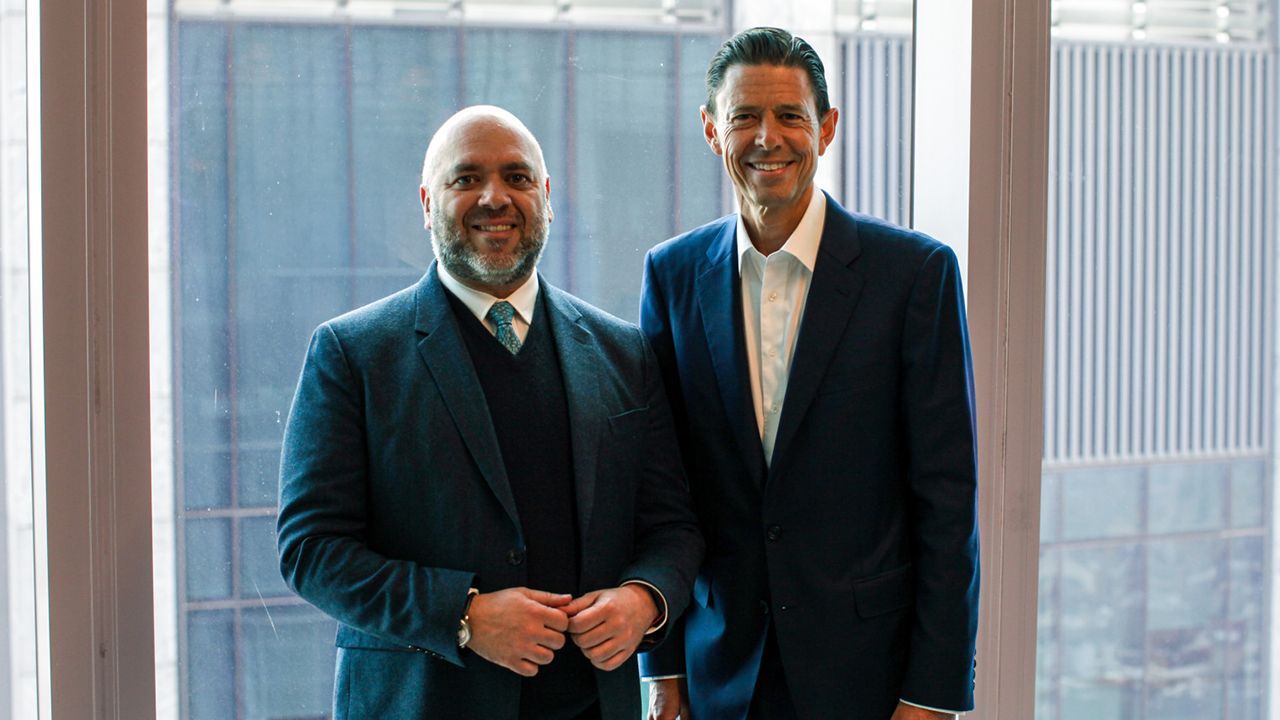
Alterra, a USD 30 billion Abu Dhabi-based fund-of-funds launched at COP28, has committed capital to KKR’s global climate transition fund, adding another global asset manager to its expanding network of partnerships.
The platform was designed to unlock private capital into climate investments by using blended finance structures that reduce risk and improve returns for institutional investors. The UAE has already stated that this model could help mobilize up to USD 250 billion in climate finance by 2030, with a significant portion expected to flow into developing markets.
KKR’s fund focuses on infrastructure and industrial opportunities tied to decarbonization, including renewable energy, energy storage, grid resilience, and sustainable fuels. These sectors are capital-intensive and require long-term investment, making them suited for institutional capital but often difficult to scale without risk-sharing mechanisms.
Alterra’s approach directly addresses that constraint. By acting as a catalyst rather than just a capital provider, it is helping global firms deploy into projects that may have otherwise remained underfunded.
The partnership also builds on Alterra’s existing relationships with firms such as BlackRock, Brookfield, and TPG, reinforcing its role as a central platform linking sovereign-backed capital with private market expertise.
The Ripple
For global asset managers, access to blended finance structures like Alterra’s could become a differentiator, particularly as competition for infrastructure assets intensifies.
For emerging markets, the impact is more structural. If capital begins flowing more consistently into grid infrastructure, industrial decarbonization, and energy systems, it could accelerate project execution timelines rather than just expanding pipelines.
More broadly, this reflects a shift in how Gulf capital is being deployed. The region is not only investing globally but is increasingly shaping the frameworks through which global capital participates in large-scale transitions.
What to Watch
The next signal will come from deployment.
How quickly KKR and similar partners translate committed capital into operating assets, and where those assets are located, will determine whether blended finance moves from concept to consistent execution.
Equally important is whether more global firms deepen their reliance on these structures. If participation broadens, Alterra’s model could become a standard pathway for financing large-scale climate infrastructure, particularly in markets that have traditionally been harder to fund.
If you see something out of place or would like to contribute to this story, check out our Ethics and Policy section.