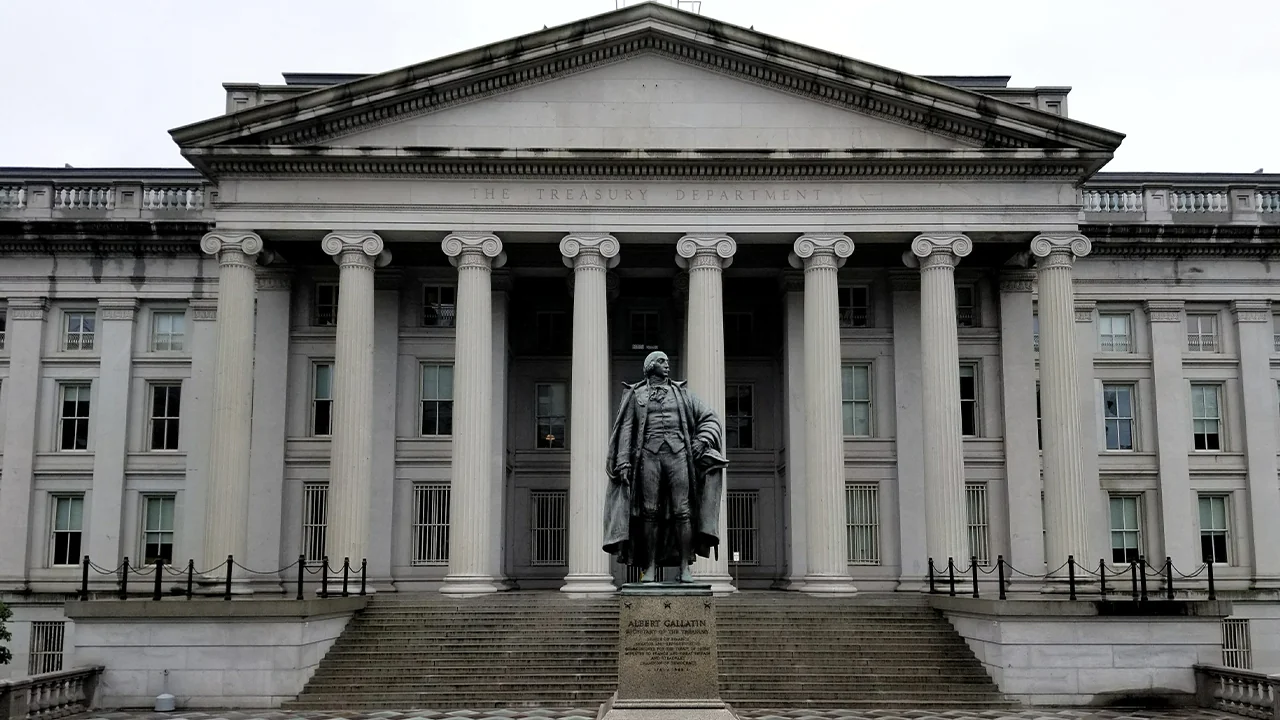
Saudi Arabia and the UAE reduced their holdings of US Treasury securities in March, joining a broader global pullback by foreign investors from US government debt.
The decline comes as global investors reassessed Treasury exposure during a month marked by falling bond prices and shifting demand toward longer-term securities.
Why You Should Care
The Gulf’s US Treasury holdings are closely watched because they reflect how major regional economies manage liquidity, reserves, and exposure to global markets.
While the monthly decline signals a short-term adjustment, both Saudi Arabia and the UAE still hold significantly more US Treasuries than they did a year ago. That suggests the move was not a wholesale retreat from US debt, but part of a wider repositioning happening across global fixed-income markets.
Saudi Arabia’s holdings fell to USD 149.6 billion in March, down from USD 160.4 billion in February, according to data from the US Treasury Department. The kingdom reduced its holdings by USD 10.8 billion during the month.
The UAE also lowered its holdings to USD 114.1 billion in March from USD 119.9 billion in February, marking a monthly decline of USD 5.8 billion.
Combined, the two Gulf economies held USD 263.7 billion in US Treasury securities in March, down USD 16.6 billion from February’s USD 280.3 billion.
Despite the monthly drop, both countries remained above their positions a year earlier. Saudi Arabia’s holdings stood at USD 131.6 billion in March 2025, while the UAE held USD 104.3 billion during the same period last year.
The pullback came alongside a broader decline in foreign ownership of US Treasury securities. Total foreign holdings fell to USD 9.35 trillion in March from USD 9.49 trillion in February, a decline of USD 138.4 billion.
US Treasury data showed that part of the global decline reflected falling Treasury prices during the month, which affected valuations. Foreign investors also reduced exposure to short-term Treasury bills while increasing allocations to longer-dated securities.
Japan remained the largest foreign holder of US Treasuries despite its holdings declining to USD 1.19 trillion in March. The United Kingdom ranked second with USD 926.9 billion in holdings. Meanwhile, China’s holdings declined to USD 652.3 billion, marking their lowest level since 2008.
The Ripple
The decline highlights how global investors, including Gulf sovereign institutions, are recalibrating portfolios amid shifting interest rate expectations and volatility in bond markets.
For regional economies such as Saudi Arabia and the UAE, Treasury holdings remain an important part of reserve management strategies tied to oil revenues, currency stability, and global liquidity positioning.
The broader shift toward longer-term securities also reflects changing expectations around future US interest rates and inflation trajectories.
What to Watch
Markets will be watching whether the March decline turns into a longer-term trend or remains a temporary adjustment linked to bond market volatility earlier this year.
Investors will also continue monitoring how Gulf sovereign investors balance exposure between US government debt, domestic investments, and alternative global assets as interest rate expectations evolve.
If you see something out of place or would like to contribute to this story, check out our Ethics and Policy section.